The heart attack we see, the brain we don’t
Source Entity
Latest News: Todays Latest News Headlines from India & World | Hindustan Times | Hindustan Times
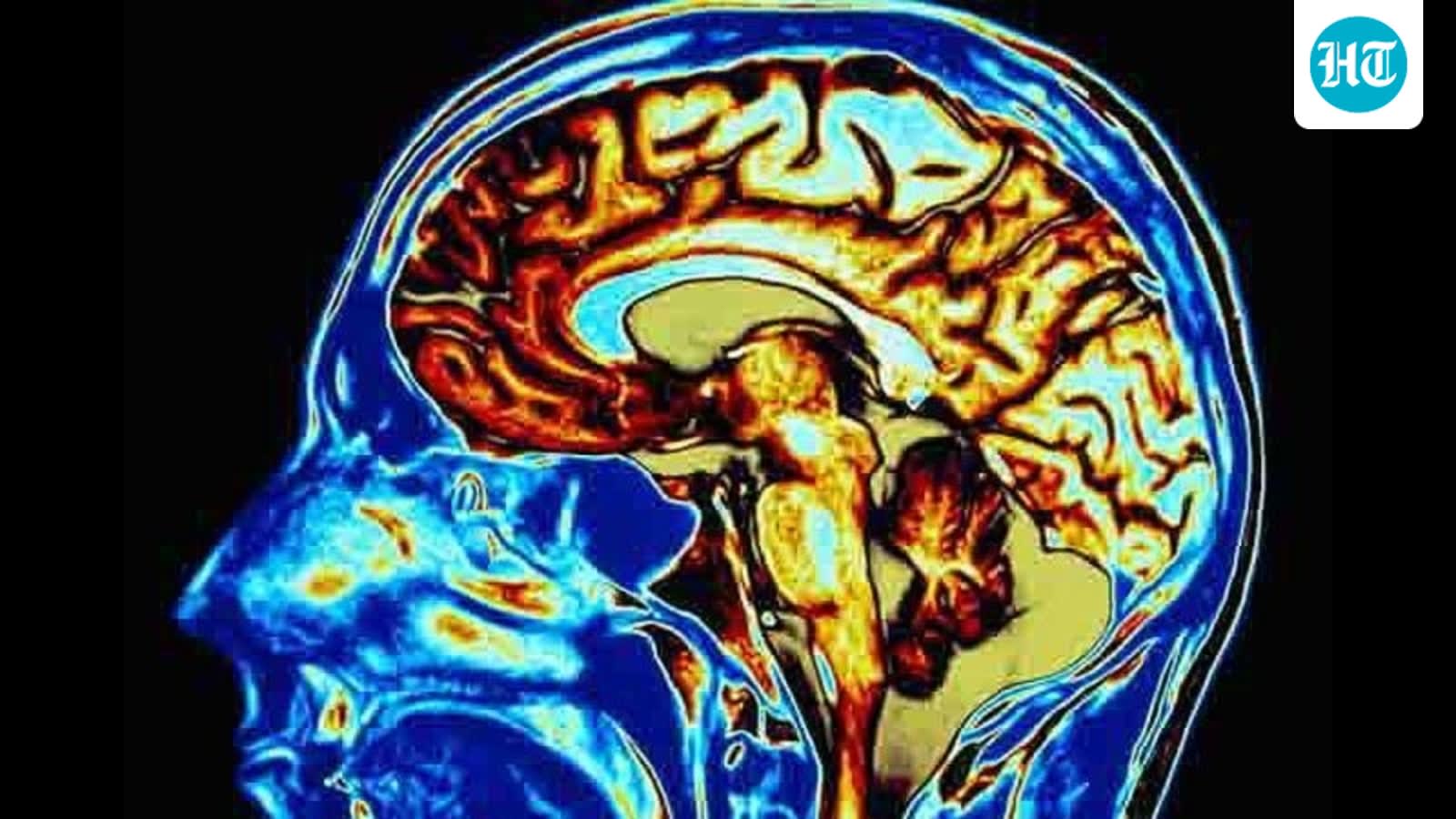
Dr. Vijay Kanuru highlights the overlooked link between metabolic health and neurodegeneration. He argues that while heart attacks are visible, metabolic damage to the brain occurs silently and requires urgent public attention.
The Silent Crisis: Metabolic Health and Cognitive Decline
The Visible vs. The Invisible
In modern medical discourse, we are well-conditioned to recognize the acute drama of a heart attack. The imagery of emergency sirens, clinical interventions, and the immediate threat to life serves as a powerful catalyst for public health awareness. Dr. Vijay Kanuru, founder of Nanoved Research Foundation, posits that this focus on cardiometabolic disease, while essential, has created a dangerous blind spot in our collective understanding of human health. We have become experts at identifying the 'visible' crises of the heart while remaining largely oblivious to the silent, progressive erosion occurring within the brain.
The Anatomy of Silent Neurodegeneration
Unlike cardiac events, which are often characterized by sudden, catastrophic failure, neurodegeneration operates on a much slower, more insidious timeline. There is no 'ambulance' for a failing neuron or a weakening synapse. Because the brain’s decline—often linked to metabolic dysfunction—lacks the dramatic onset of a heart attack, it rarely receives the same level of immediate medical or social urgency. This lack of a 'point of origin' makes early intervention incredibly difficult, as the cognitive reserve erodes long before symptoms become clinically apparent.
The Metabolic-Cognitive Nexus
Dr. Kanuru emphasizes that the metabolic forces driving cardiovascular issues are identical to those damaging the neural architecture. The modern public discourse frequently focuses on psychological symptoms like burnout, anxiety, and stress. While these are critical, they often serve as surface-level indicators of a deeper, underlying systemic issue: the metabolic state of the individual. By failing to address the metabolic foundations of cognitive health, we are treating the symptoms of a burning building while ignoring the fire in the basement.
Historical Context and Future Trends
Historically, medicine has treated neurology and cardiology as distinct, siloed disciplines. However, recent trends in biomedical research suggest that the brain is perhaps the most metabolically demanding organ, making it uniquely susceptible to metabolic fluctuations. As we move forward, the medical community must pivot toward a holistic model where cognitive vitality is treated as a direct reflection of metabolic integrity. Future research will likely focus on biomarkers that can detect 'pre-symptomatic' metabolic damage to the brain, effectively creating an 'emergency ward' for cognitive health before the damage becomes irreversible.
Conclusion: A Call for Paradigm Shift
Ultimately, the 'heart attack we see' versus the 'brain we don't' is a metaphor for a broader systemic failure in preventative medicine. To combat the rising tide of neurodegenerative conditions, we must elevate the conversation beyond stress management and into the realm of metabolic preservation. Recognizing that metabolic health is synonymous with cognitive health is the first step toward preventing the next great public health crisis before it reaches the point of no return.
Verification Required?