What is a homemaker’s work worth? Indian courts have an answer
Source Entity
The Indian Express
The debate over monetizing homemaking in India has sparked significant political discourse, contrasting policy proposals with existing state-level social welfare schemes. This analysis explores the legal and social implications of recognizing unpaid domestic labor.
The Economic Recognition of Domestic Labor
The discourse surrounding the economic value of homemaking gained significant traction in India during the 2021 Tamil Nadu assembly elections, when Kamal Haasan proposed a salary for homemakers. This suggestion ignited a polarizing national debate, highlighting the tension between viewing domestic labor as a private, familial responsibility versus an essential economic contribution that warrants state-level recognition and compensation.
Political Perspectives and Ideological Rifts
The proposal drew varied responses from political figures, underscoring the lack of consensus on the issue. While proponents like Shashi Tharoor viewed it as a progressive step toward addressing gendered economic inequality, critics like Kangana Ranaut argued that such monetization could diminish the autonomy women hold within the private domain. This clash reflects deeper societal anxieties regarding the formalization of tasks traditionally classified as non-market labor.
The Precedent of the Griha Aadhar Scheme
Amidst the high-profile political rhetoric, a crucial historical fact is often overlooked: Goa’s implementation of the Griha Aadhar scheme nearly a decade prior. By providing a monthly sum to married women, the state government established a functional, if not explicitly labeled, mechanism for recognizing the financial needs of homemakers. This scheme serves as a critical case study in how welfare policy can bridge the gap between abstract economic theories and tangible financial support.
Legal and Socio-Economic Implications
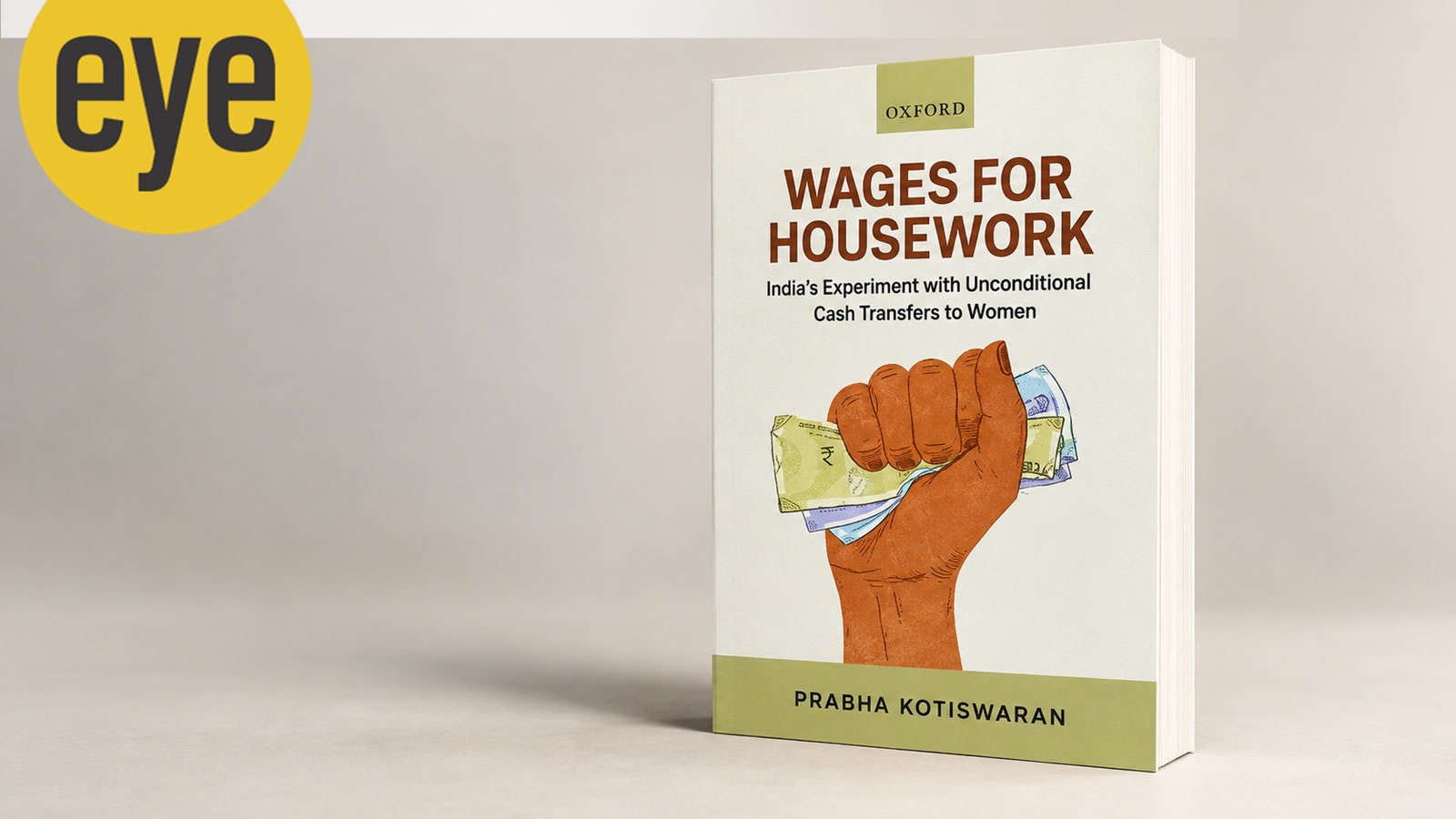
The question of whether to compensate homemakers involves complex legal and socio-economic considerations. Prabha Kotiswaran’s work, Wages for Housework, remains a central reference point in evaluating whether such payments serve to empower women or conversely, institutionalize their role within the domestic sphere. The legal system’s evolving stance on this issue suggests a shifting judicial and legislative appetite for quantifying the unmonetized labor that sustains the domestic economy.
Future Trends and Social Policy
Moving forward, the debate is likely to intensify as India continues to grapple with gender inequality in the workforce. The transition from purely social welfare-based schemes to policies that explicitly recognize the economic value of housework will require careful navigation. Future policy trends will likely depend on whether governments prioritize direct financial transfers as a form of social security or focus on broader structural reforms to integrate domestic labor into the formal economic framework.
Conclusion
While the political debate remains contentious, the existence of schemes like Griha Aadhar proves that the concept of financial support for homemakers is not merely theoretical. As Indian society continues to redefine the value of domestic contributions, the path forward will necessitate a nuanced understanding of how to honor labor without enforcing traditional gender roles, balancing economic justice with the preservation of personal autonomy.