At Chennai event, Rahul Gandhi says PM Narendra Modi silencing voices
Source Entity
The Indian Express
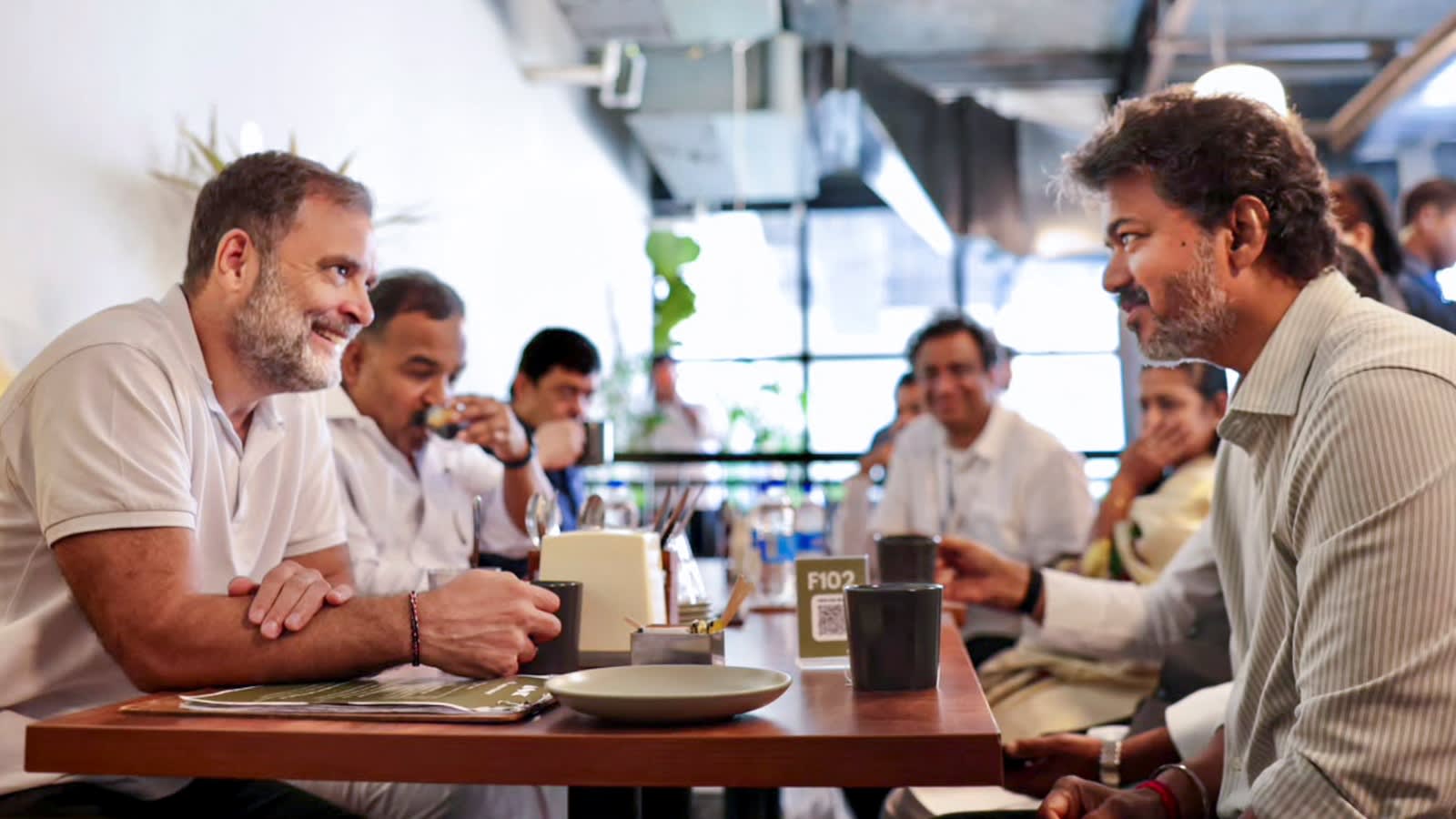
Rahul Gandhi has criticized PM Narendra Modi's governance in Chennai, alleging democratic suppression amid widespread protests in Delhi. These protests led to the mass detention of thousands, including YouTuber Dhruv Rathee, as authorities tightened security.
Political Unrest and Allegations of Democratic Erosion
Recent events in India have highlighted a sharp escalation in political friction between the ruling Bharatiya Janata Party (BJP) and the Opposition. During a youth outreach event in Chennai, titled ‘Chhatron Ki Goonj’, Leader of Opposition Rahul Gandhi launched a scathing attack on Prime Minister Narendra Modi. Gandhi utilized the moniker “Mogambo Modi” to characterize what he describes as an authoritarian shift, explicitly accusing the Prime Minister of undermining democratic foundations and engaging in “vote chori.”
The Delhi Crackdown and Security Measures
The political tension manifested physically in the national capital, where mass protests demanding the resignation of Chief Election Commissioner Gyanesh Kumar were met with a severe administrative response. Security forces established a wide containment net across New Delhi, beginning as early as 6 a.m. on October 10. Key thoroughfares, including Janpath and Ashoka Road, were cordoned off, and authorities were observed preparing with tear gas munitions to disperse demonstrators arriving from the National Capital Region (NCR).
Mass Detentions and the Case of Dhruv Rathee
The scale of the police intervention was significant, with over 6,000 individuals—comprising opposition leaders, activists, and prominent social media figures—subjected to detention. A notable case involved YouTuber Dhruv Rathee, who was apprehended by Gurugram Crime Branch teams from his residence in Sector 56 early Saturday morning. His subsequent release in the early hours of Sunday reflects the high-pressure environment created by the authorities to prevent the protest from gaining momentum in central Delhi.
Expanding the Youth Narrative
Rahul Gandhi’s 'Chhatron Ki Goonj' initiative has served as a platform for the Congress party to channel youth discontent. By visiting cities like Kota, Dehradun, Prayagraj, Pune, and Indore before reaching Chennai, Gandhi has attempted to build a cohesive narrative linking local student grievances with national political concerns. His rhetoric suggests that the current administration is actively silencing dissenting voices, a claim he bolstered by citing the alleged police treatment of students in Delhi.
Broader Implications for Indian Democracy
The events underscore a growing polarization within the Indian political landscape. The opposition’s focus on the Election Commission and allegations of systemic electoral manipulation signal a move toward challenging the institutional integrity of India’s constitutional bodies. Conversely, the government’s reliance on preemptive detentions and heavy-handed security measures suggests a preference for maintaining public order through stringent administrative control.
Future Trends and Political Outlook
As the political climate intensifies, the intersection of digital activism and street-level protest will likely become a primary battleground. The detention of high-profile influencers like Dhruv Rathee suggests that the state is increasingly wary of the mobilizing power of social media. As Gandhi promises that the current administration will “pay for the crimes” he perceives against the country, the coming months will likely see further confrontation, with both sides leveraging their respective platforms—the legislative floor and public protests—to influence the national discourse.
Multiple Citing Sources