Public executions in the US stopped nearly a century ago, why are they resuming now?
Source Entity
BBC News
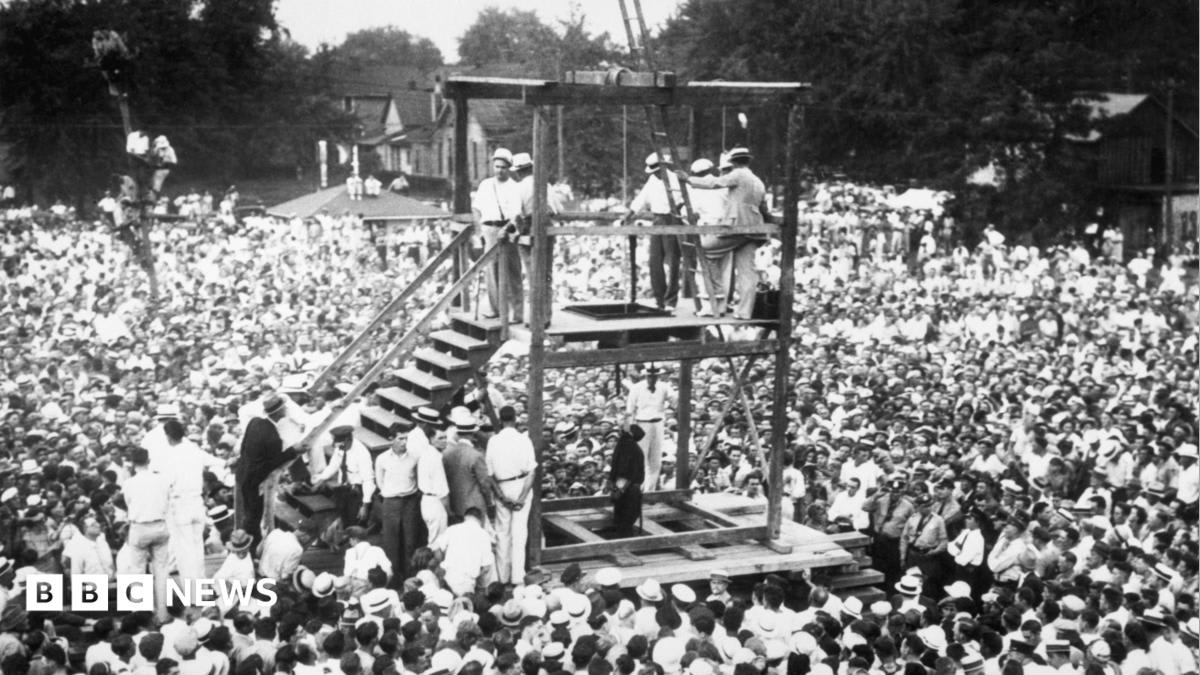
The Pentagon plans to livestream the execution of Fort Hood shooter Nidal Hasan, sparking debate over the role of public spectacle in capital punishment. FCC Chairman Brendan Carr has deferred regulatory authority to Secretary of Defense Pete Hegseth regarding potential broadcast coverage.
The Resurgence of Public Execution Discourse
The recent announcement by the Pentagon regarding the planned execution of Nidal Hasan, the perpetrator of the 2009 Fort Hood shooting, has reignited a profound national conversation about the visibility of state-sanctioned death. While the administration has signaled support for the use of a firing squad, the decision to potentially livestream the event marks a significant departure from modern American judicial norms. This shift forces a confrontation with the historical legacy of public executions in the United States, a practice that largely faded from the American landscape nearly a century ago.
Historical Context: The Shadow of 1936
To understand the gravity of this development, one must look back to the last public execution in American history: the 1936 hanging of Rainey Bethea in Owensboro, Kentucky. The scene was characterized by a carnival-like atmosphere, where thousands gathered, fueled by alcohol and commercial interests, to witness a state-sanctioned killing. That event served as a turning point, as the grotesque nature of the public spectacle prompted a national outcry that effectively ended the practice. The current move to livestream a modern execution risks mirroring the dehumanization and voyeurism that critics argued were inherent to those earlier, public displays.
Regulatory Ambiguity and Institutional Power
The debate has become further complicated by the intersection of military jurisdiction and federal communications oversight. FCC Chairman Brendan Carr has publicly stated that he will defer to Secretary of Defense Pete Hegseth regarding whether television networks may broadcast the proceedings. This deference highlights a complex legal gray area; while the Pentagon intends to control the narrative through a direct livestream, the reach of such content across public airwaves remains a subject of regulatory tension. The FCC’s role is traditionally limited to broadcast standards, but the precedent of live-streaming a state execution is unprecedented in the digital age.
The Shift Toward Digital Spectacle
By utilizing an online platform for the livestream, the Pentagon appears to be attempting to bypass traditional FCC oversight, effectively creating a direct pipeline between the execution chamber and the public. This strategy reflects a broader trend in the digital era where government actions are increasingly disseminated directly to the public without the mediation of traditional journalistic filters. However, this raises ethical questions regarding the state’s role in facilitating an audience for capital punishment, potentially transforming a somber legal process into a high-engagement digital event.
Broader Implications for Capital Punishment
President Trump’s vocal support for the firing squad as a method of execution, coupled with the Pentagon’s plans, suggests a shift in the administration's philosophy toward punitive justice. Moving away from lethal injection—which has faced legal and supply chain hurdles—toward the firing squad represents a return to more traditional, kinetic methods of execution. When combined with the potential for mass viewership, these policies suggest an intent to restore the deterrent and retributive visibility that many legal scholars argue the justice system had long ago abandoned.
Future Trends in Judicial Transparency
As the nation moves forward with these plans, the precedent set by the Nidal Hasan case will likely redefine the parameters of transparency in the American legal system. Whether this becomes a standard for high-profile military justice or remains an isolated incident will depend on the public reaction and the eventual legal challenges that arise from the broadcast plan. Ultimately, the tension between the state's desire for transparency and the ethical implications of publicizing death will remain a defining feature of this administration's approach to the death penalty.
Multiple Citing Sources