What does caste look like? A graphic book offers an unsettling answer
Source Entity
Sudhakar Singh
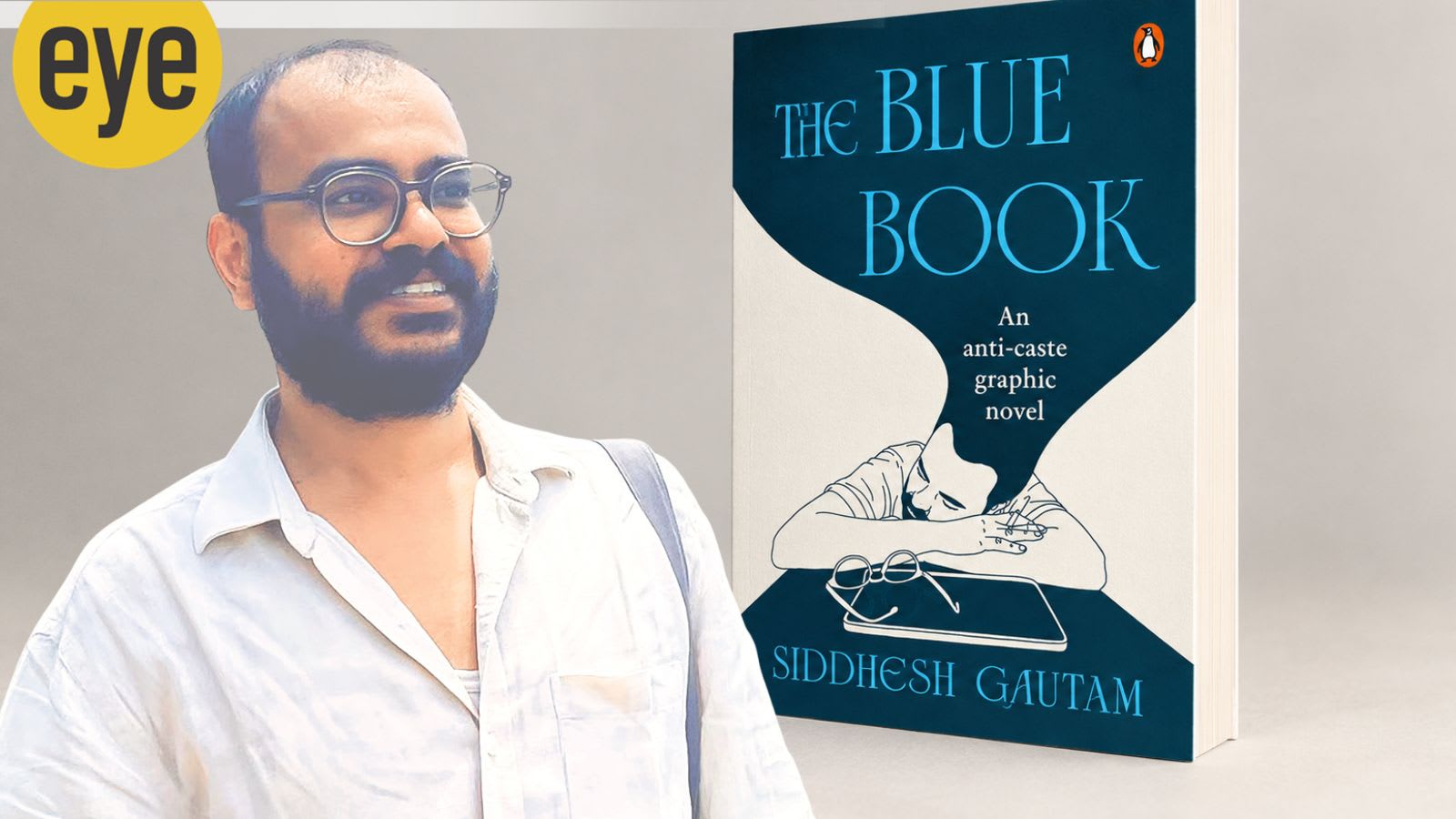
Siddhesh Gautam’s 'The Blue Book' uses surrealist imagery and imagined conversations to challenge perceptions of the caste system in India. By engaging with historical icons like BR Ambedkar, the work forces readers to confront the persistent realities of social stratification.
Reimagining Reality: A Deep Dive into The Blue Book
The Visual Subversion of History
Siddhesh Gautam’s The Blue Book begins with a provocative artistic choice: an inverted map of the Indian Subcontinent. This act of reorientation is not merely aesthetic; it serves as a foundational metaphor for the entire narrative. By forcing the reader to physically turn or rethink their perspective on a familiar geography, Gautam signals that the subsequent exploration of the caste system will be equally disorienting and transformative. This visual subversion sets the stage for a narrative that challenges the status quo by turning established historical viewpoints upside down.
Dreams as a Tool for Social Inquiry
Gautam characterizes the contents of his book as "dreams that arrive while awake." These are not subconscious wanderings but deliberate exercises in imagination, memory, and intellectual freedom. By utilizing this framework, the author creates a space where history is not static but active. This approach allows for a fluid exploration of caste that transcends traditional academic discourse, instead opting for a deeply personal and reflective investigation into how systemic inequality permeates the psyche.
Conversations Across Time
The core of The Blue Book is built upon imagined dialogues with pivotal figures of the anti-caste movement, including B.R. Ambedkar, Savitribai Phule, and the Buddha. While these conversations never occurred in reality, their inclusion serves as a powerful pedagogical tool. By placing himself in conversation with these icons, Gautam bridges the gap between historical struggle and contemporary experience. This technique highlights the enduring relevance of these figures' philosophies in modern India, providing a lens through which the reader can re-evaluate current social conditions.
Navigating Public Memory and Personal Encounter
Beyond the theoretical, the book functions as a map of the author’s own encounters with the realities of caste. It navigates the treacherous waters of public memory, where history is often curated or sanitized. Gautam’s work acts as a counter-narrative, forcing an acknowledgment of the structural violence inherent in caste-based societies. By documenting his own internal processing of these systemic issues, he invites the reader to engage in a similar process of self-reflection.
The Future of Anti-Caste Discourse
As literature continues to evolve, graphic narratives like The Blue Book represent a crucial shift in how complex socio-political issues are communicated to broader audiences. By synthesizing art, history, and personal memoir, Gautam demonstrates that the fight against social stratification is as much about changing cultural perceptions as it is about legislative change. This work suggests a future where the anti-caste movement utilizes diverse media to sustain the momentum of historical justice movements.
Conclusion
The Blue Book stands as a significant contribution to the body of literature analyzing the Indian caste system. Through its unconventional structure and bold visual choices, it pushes the reader beyond passive consumption. It demands an active, critical engagement with history, ensuring that the legacy of leaders like Ambedkar remains a living, breathing component of the ongoing struggle for equality.