Gyanesh Kumar Row, Women's Safety: India Records 60 Protests In 10 Days
Source Entity
NDTV News Search Records Found 1000
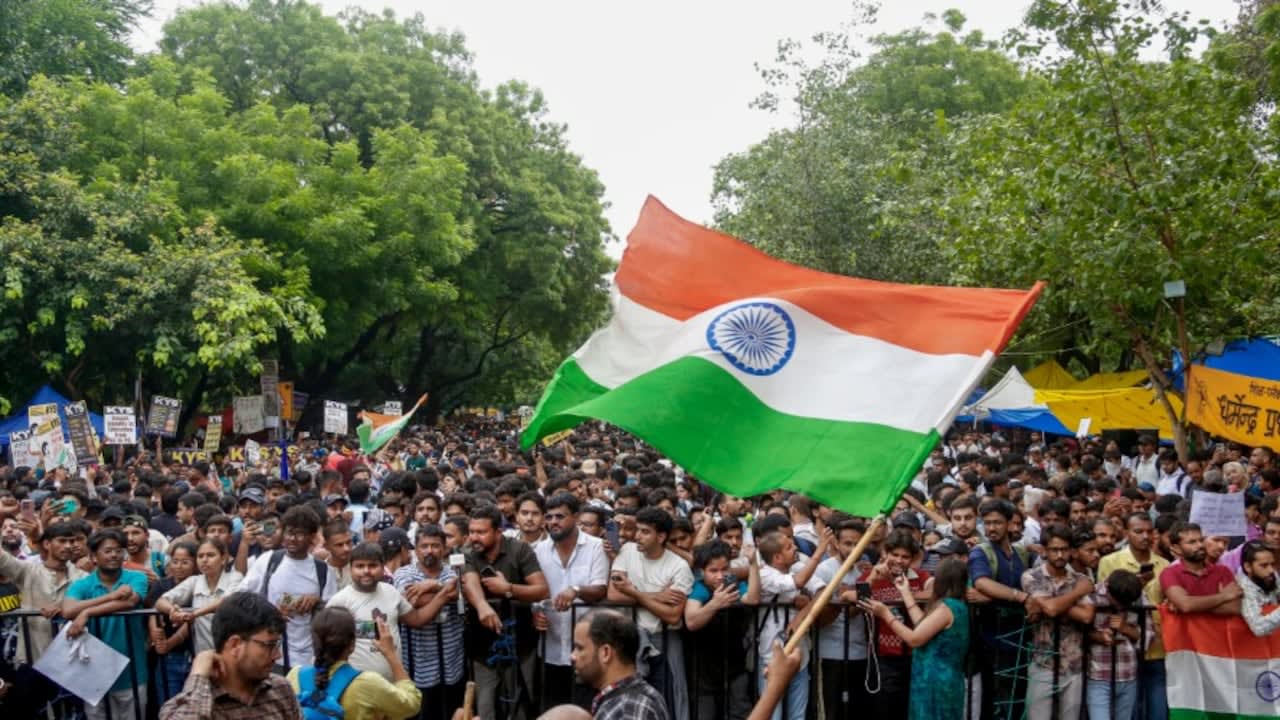
India has witnessed 60 protests regarding the Gyanesh Kumar appointment and women's safety concerns over a ten-day period. The demonstrations were notably uneven in their temporal distribution.
Analysis of Recent Civil Unrest in India
The Surge of Protests
Recent reports indicate that India has experienced a total of 60 organized protests within a concentrated ten-day window. These demonstrations have been primarily centered on two distinct but socially significant issues: the controversy surrounding the appointment of Gyanesh Kumar and broader, persistent concerns regarding women's safety across the nation. The sheer volume of these events highlights a period of intense civic engagement and public frustration.
Temporal Distribution Patterns
A critical observation regarding these events is that the protests were not evenly distributed across the ten-day timeline. This suggests that the intensity of public response was likely reactive, spiking in response to specific developments or announcements rather than maintaining a steady, low-level presence. Such fluctuations are common in social movements where media coverage or specific legislative actions act as catalysts for mobilization.
The Gyanesh Kumar Controversy
At the heart of one segment of these protests is the appointment of Gyanesh Kumar. As a high-profile administrative or electoral appointment, such roles often invite intense scrutiny regarding transparency, impartiality, and the procedural integrity of the selection process. The public outcry suggests a segment of the populace feels that institutional norms or expectations were not met, leading to street-level activism as a form of democratic feedback.
Addressing Women's Safety
The second pillar of these protests—women's safety—remains a perennial and deeply emotive issue in India. The fact that this issue was conflated or grouped with administrative protests points to a broader crisis of confidence in public safety and governance. When citizens take to the streets in such numbers, it often reflects a perceived failure of current protective policies to provide adequate security or swift justice for victims of gender-based violence.
Broader Implications for Governance
The combination of these two issues creates a complex landscape for Indian policymakers. On one hand, the government must address the specific administrative grievances related to the Gyanesh Kumar row to maintain institutional legitimacy. On the other, the recurring nature of protests regarding women's safety signals a systemic demand for structural reform in law enforcement and legal frameworks. The intersection of these demands indicates that the public is increasingly viewing administrative appointments and social safety as interconnected facets of good governance.
Future Trends and Outlook
Moving forward, the uneven distribution of these protests serves as a barometer for public volatility. If the government continues to experience difficulty in communicating the rationale behind high-level appointments or fails to demonstrate concrete improvements in women's safety, we can likely expect further sporadic, high-intensity outbursts. The ability of the state to manage these tensions through dialogue, policy reform, and transparent communication will be the defining factor in whether these movements stabilize or escalate in the coming months.
Verification Required?