CJI Surya Kant forms panel to address mental, physical well-being of judicial officers
Source Entity
Latest News: Todays Latest News Headlines from India & World | Hindustan Times | Hindustan Times
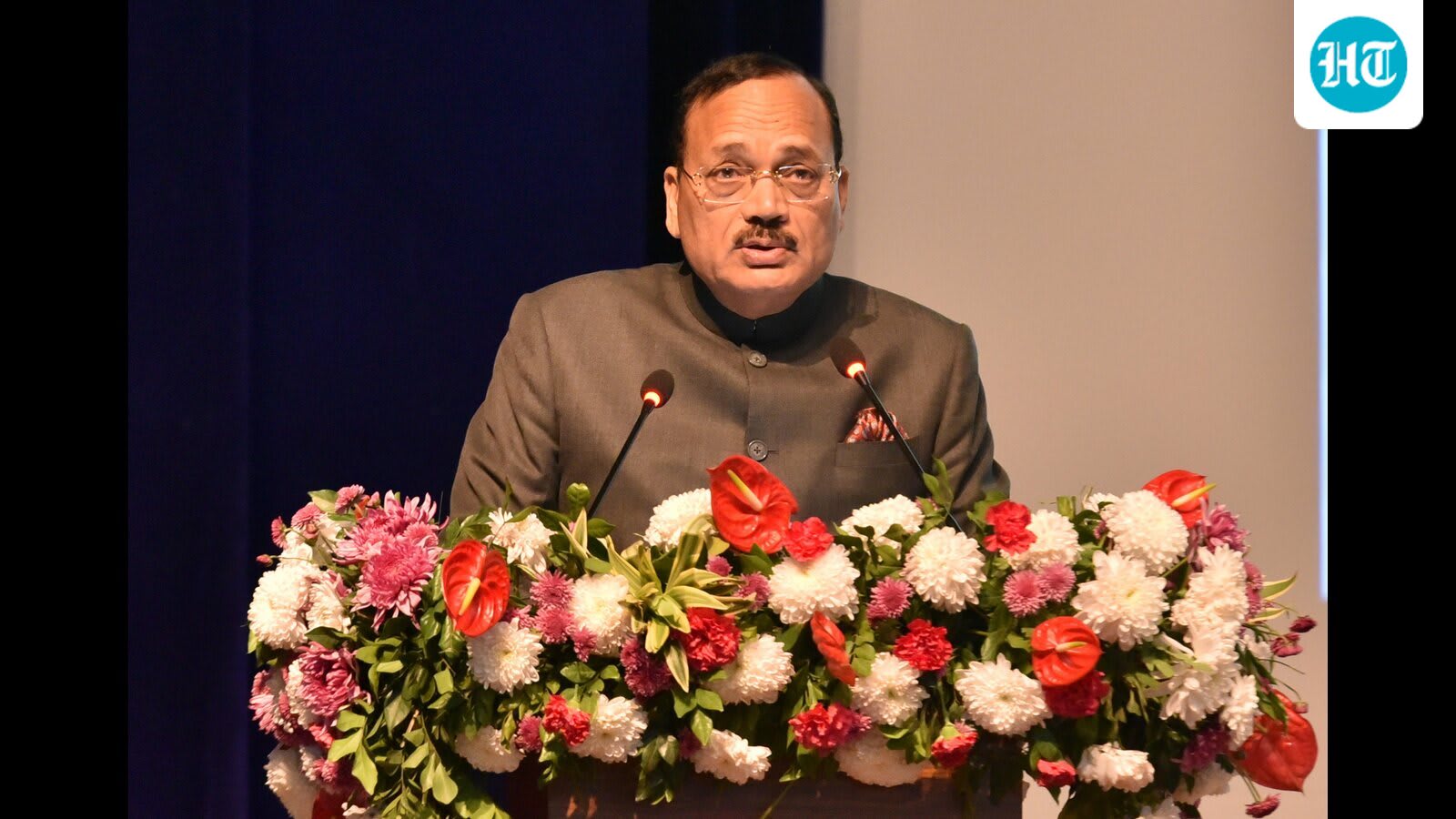
CJI Surya Kant has established a committee led by Justice KV Viswanathan to address the mental and physical health of judicial officers. This initiative aims to mitigate the strain of heavy caseloads and complex administrative pressures within the Indian judiciary.
Addressing Judicial Well-Being in the Indian Legal System
A Proactive Step for Judicial Health
Chief Justice of India (CJI) Surya Kant has taken a significant institutional step by constituting a specialized committee dedicated to the mental and physical well-being of judicial officers across the nation. Formed in coincidence with World Mental Health Day, this initiative signals a shift in the judiciary’s approach toward acknowledging the human element behind the bench. By appointing Justice KV Viswanathan to lead this panel, the Supreme Court has underscored the importance of administrative oversight in protecting the health of those tasked with delivering justice.
The Anatomy of Judicial Stress
The committee is designed to address the unique stressors inherent in the judicial profession. Judicial officers in India operate under extreme pressure, characterized by staggering caseloads and prolonged working hours that often lead to professional burnout. The complexity of legal decision-making, combined with the emotional toll of presiding over sensitive and challenging cases, places a heavy burden on these officers. By formally recognizing these factors as systemic issues rather than individual failures, the Supreme Court is prioritizing the sustainability of the judicial workforce.
Multidisciplinary Approach to Wellness
Beyond the leadership of Justice KV Viswanathan, the committee incorporates a multidisciplinary approach by including medical experts such as Savita Malhotra, a former dean and professor. This inclusion is crucial, as it bridges the gap between legal administration and clinical expertise. By integrating medical insights, the committee aims to develop evidence-based strategies that can realistically alleviate the administrative and emotional pressures faced by judicial officers in their daily functions.
Broader Implications for the Justice System
This move has profound implications for the efficiency and integrity of the Indian judicial system. A healthy, well-supported judiciary is essential for the timely delivery of justice. When judicial officers are overwhelmed by stress and fatigue, the quality of adjudication can be compromised, leading to delays and potential errors. By institutionalizing support mechanisms, the Supreme Court is not only protecting its staff but is also indirectly working to improve the overall efficacy of the legal system for the benefit of the general public.
Future Trends in Judicial Reform
Looking forward, this committee could set a precedent for similar reforms in other high-pressure government sectors. The focus on mental health as a core component of professional performance is a modernizing trend that may influence future judicial policies. If successful, the recommendations of Justice Viswanathan’s panel could lead to standardized wellness programs, better administrative support structures, and a more resilient judiciary capable of handling the increasing demands of a growing nation.
Verification Required?