U.S. military says it aided passage of 660 million barrels of oil through Strait of Hormuz since May
Source Entity
US Top News and Analysis
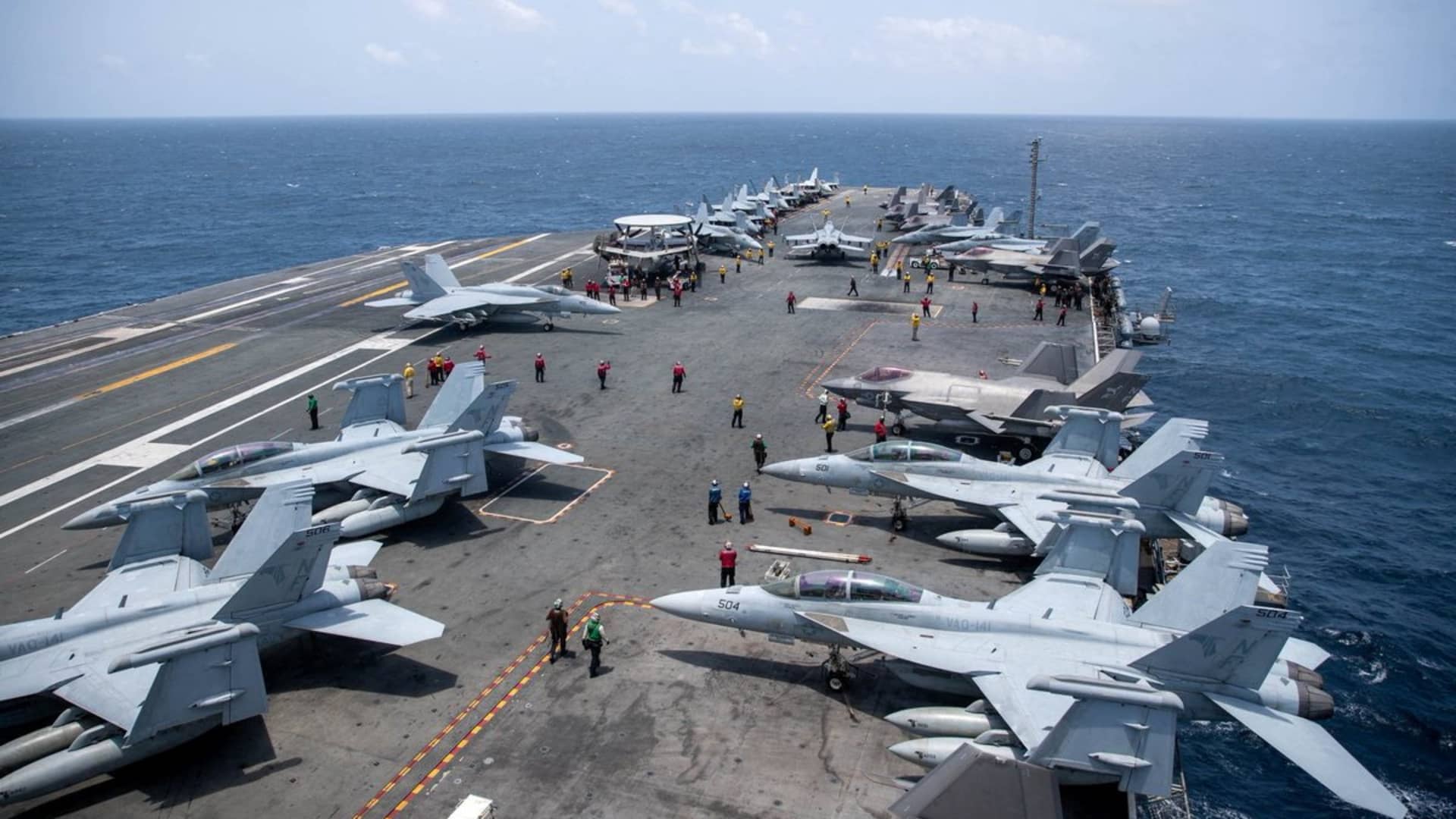
The Strait of Hormuz conflict has created a disconnect between market optimism and the reality of tightening global fuel supplies. Divergent data on oil flows and the rise of 'shadow fleets' are fueling volatility and record-high diesel crack spreads.
The Hormuz Chokepoint: A Market in Disarray
The global energy market is currently navigating a period of profound uncertainty, centered on the strategic Strait of Hormuz. For nearly six months, this critical maritime chokepoint has been the site of intense geopolitical friction, leading to a significant disruption in the flow of crude oil. While market participants have largely maintained a degree of optimism, betting on a swift resolution to the conflict, the physical realities of the supply chain suggest a far more precarious situation than current futures prices might indicate.
The Data Divergence
A striking disconnect has emerged between official projections and observed data. Market estimates and tracking from satellite imagery and transponder data indicate a sharp decline in tanker traffic, consistent with reports of Iranian interference. Conversely, US officials maintain that oil flows are moving at a pace exceeding these projections. This ambiguity is exacerbated by the emergence of 'shadow fleets'—vessels that obscure their locations to bypass monitoring—making it nearly impossible for analysts to gain an accurate assessment of how much crude is actually reaching global markets.
Diesel: The True Barometer of Scarcity
While Brent crude futures have remained relatively stable, often failing to breach the $100 per barrel mark, the diesel market tells a more alarming story. The 'diesel crack spread'—the margin between crude oil prices and the refined product—has hit record highs in both the United States and Europe. Diesel is the essential fuel of global commerce, powering heavy industry, logistics, and heating. The tightening of this specific market, coupled with a decline in global stockpiles, suggests that the physical supply squeeze is far more severe than the broader crude market currently reflects.
Geopolitical Miscalculations
For months, traders have priced in a rapid return to normalcy, often reacting with undue optimism to diplomatic rhetoric regarding a potential peace deal or victory over Iranian forces. This reliance on political narrative over physical supply metrics has left the market vulnerable. As the reality of an extended conflict sets in, the market is beginning to grapple with the loss of significant refined fuel exports that were previously supplied by the Middle East and Russia.
Future Trends and Market Volatility
Looking ahead, the combination of rising seasonal demand in autumn and winter and the ongoing disruption in the Strait of Hormuz suggests that volatility is likely to persist. If the 'shadow fleet' continues to mask the true volume of oil movement, price discovery will remain inefficient, leading to potential spikes in energy costs. The reliance on optimistic political forecasting has clearly failed to account for the structural damage done to global energy logistics, and the market must now prepare for a prolonged period of scarcity.
Conclusion
The situation in the Strait of Hormuz serves as a potent reminder of the fragility of global energy corridors. With inventories declining and the diesel supply chain under unprecedented strain, the market is moving toward a tipping point. The complacency observed in crude futures is being rapidly replaced by the harsh reality of a physical supply squeeze that could redefine global energy pricing for the foreseeable future.
Multiple Citing Sources