Dollar near three-month low on Treasury buyback worries
Source Entity
Yahoo Finance
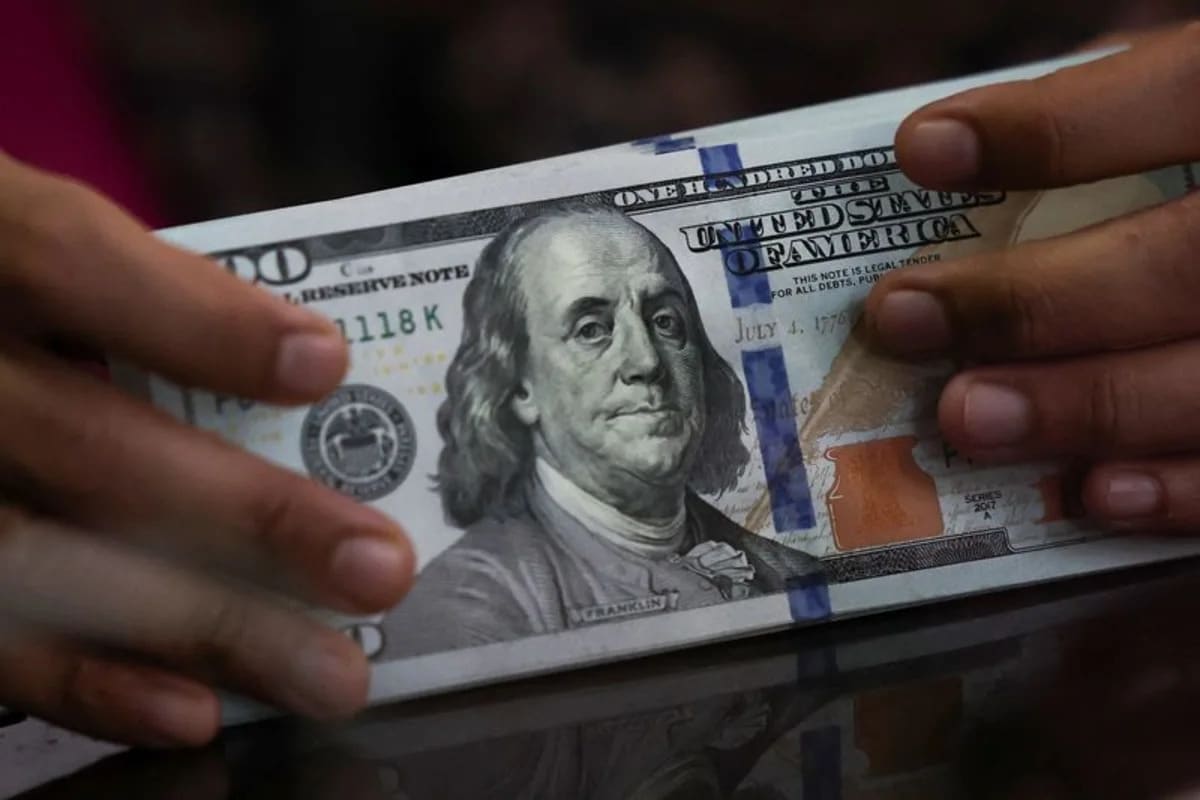
The U.S. dollar has fallen to multi-month lows as the Treasury Department moves to expand bond buyback operations. This strategy, aimed at managing yields, has spurred gold prices and highlighted broader concerns regarding fiscal stability and debt issuance.
The U.S. Dollar Under Pressure: Treasury Buybacks and Market Volatility
Recent financial market movements have been characterized by a notable retreat in the U.S. dollar, which recently touched a 2.5-month low, finishing down by 0.80%. This decline is primarily linked to the U.S. Treasury’s strategic decision to increase liquidity support by doubling the maximum size of its buyback operations for longer-dated nominal coupon bonds to at least $4 billion per operation, effective September 9. By intervening in the secondary market, the Treasury is attempting to address volatility in bond yields, an action that has reverberated across global currency markets.
The Mechanics of Treasury Intervention
The decision to expand these buyback programs reflects an urgent need to manage the government's borrowing costs amidst a challenging fiscal environment. Treasury Secretary Scott Bessent has indicated that these repurchases could increase even further, signaling a proactive, if not aggressive, approach to stabilizing the bond market. For investors, this shift suggests that the Treasury is increasingly sensitive to the mechanics of long-dated debt, particularly as heavy issuance threatens to push yields to levels that could destabilize broader economic growth.
Yields, Inflation, and Fed Policy
While the Treasury is working to rein in bond yields, the Federal Reserve remains focused on its dual mandate of price stability and maximum employment. Minutes from the July 28-29 FOMC meeting revealed a slightly hawkish stance, with many officials suggesting that further policy tightening remains on the table should inflation fail to subside. This creates a complex dynamic: the Treasury is attempting to provide liquidity to the bond market, while the Federal Reserve’s potential for further rate hikes aims to dampen economic activity to control inflation. This tension between fiscal expansion and monetary restriction is a primary driver of the current dollar weakness.
Broadening Economic Concerns
The market’s reaction is further compounded by a deteriorating fiscal outlook and the realities of heavy government debt issuance. Long-dated yields, including the 30-year Treasury note, recently climbed to their highest levels since 2007. This upward pressure on yields is exacerbated by geopolitical risks, specifically the ongoing conflict involving Iran, which has introduced a layer of uncertainty that typically drives investors toward safe-haven assets like gold. As the dollar weakens, gold prices have seen a corresponding jump, reflecting a flight to quality as investors hedge against potential currency devaluation.
Future Outlook and Market Implications
Looking ahead, the interplay between Treasury intervention and market interest rate differentials will be critical. As T-note yields experience fluctuations, the dollar's interest rate advantage—which has historically supported its value—is beginning to wane. If the Treasury continues to expand its buyback operations, it may provide temporary relief to bond markets, but it also raises questions about long-term fiscal sustainability. Investors should expect continued volatility as the market digests the implications of a government that is increasingly involved in the daily management of yield curves while navigating the persistent threat of inflationary pressures.