Trump to allow import of 300,000 metric tons of ground beef without tariff
Source Entity
US Top News and Analysis
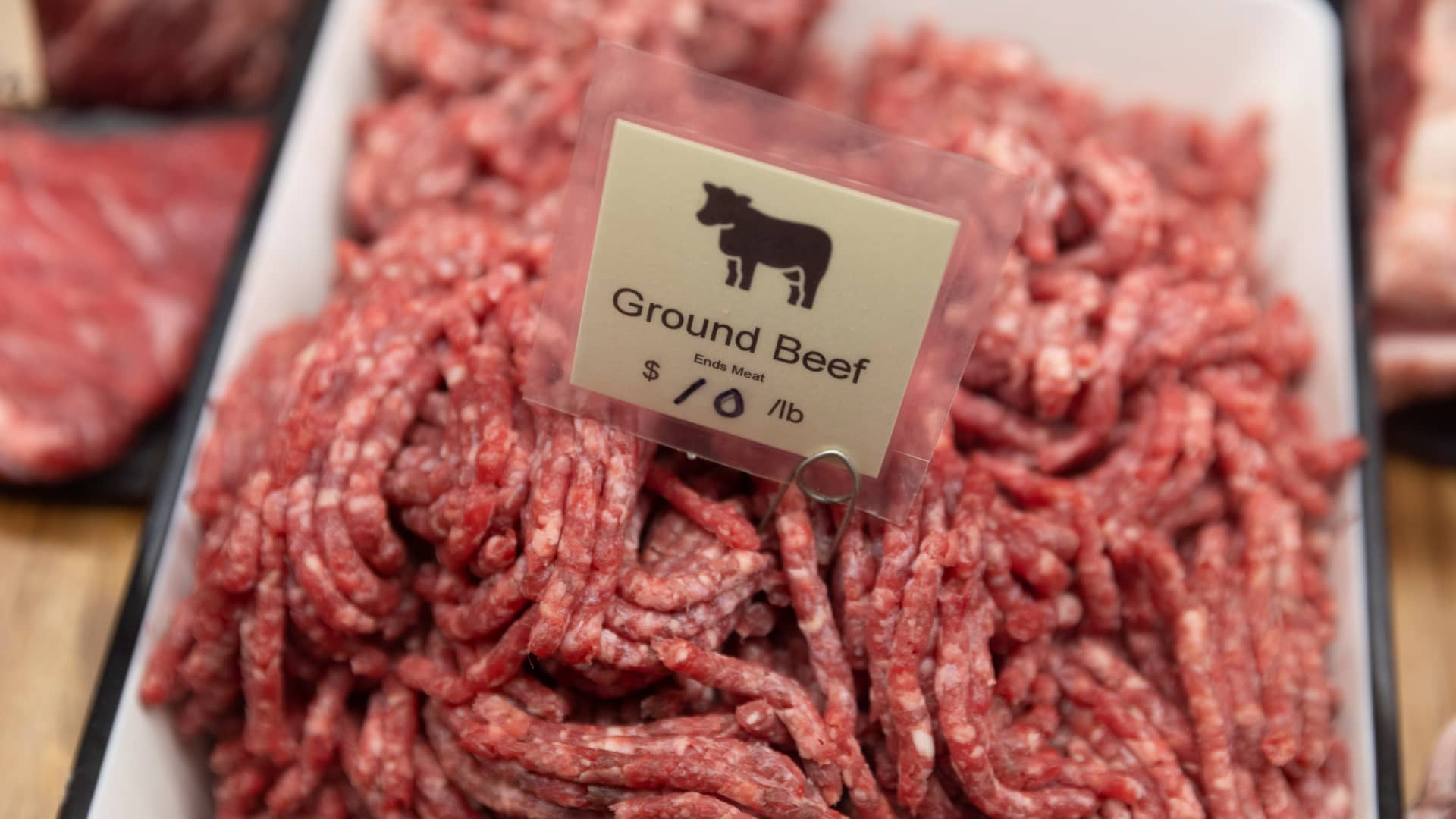
President Trump has authorized the tariff-free import of 300,000 metric tons of ground beef to combat rising U.S. food costs. The move aims to stabilize prices while the domestic cattle herd undergoes a rebuilding phase.
Addressing the U.S. Beef Supply Crisis
President Donald Trump has announced a significant shift in trade policy, authorizing the tariff-free import of 300,000 metric tons of ground beef over the next three months. This intervention comes as a direct response to the soaring beef prices that have burdened American consumers throughout 2026. By temporarily suspending out-of-quota tariffs, the administration is seeking to rapidly increase the supply of ground beef in the domestic market to alleviate inflationary pressure on household grocery budgets.
The Impact of Cattle Herd Reduction
The root cause of the current market volatility is a substantial reduction in the nation's cattle herd. Cattle cycles are notoriously long, requiring years for ranchers to expand breeding stocks and bring mature animals to market. The current supply shortage has created a bottleneck in the food supply chain, driving up retail prices. The administration’s decision to allow foreign imports serves as a stopgap measure intended to provide immediate relief while the domestic industry works toward long-term recovery.
Price Control Commitments and Market Dynamics
A central component of this announcement is the President's assertion that the imported product will be sold at 25 percent below current market prices. This condition suggests a negotiated arrangement with importers, though the specific entities involved remain undisclosed. By mandating a significant price discount, the administration is attempting to force a downward correction in retail pricing, effectively using the tariff waiver as leverage to ensure the savings are passed directly to the consumer rather than being absorbed by intermediaries.
Transparency and Industry Skepticism
Despite the scale of this intervention, the lack of detail regarding the specific importers or the mechanics of the price-guarantee commitments has sparked inquiries from media organizations and industry bodies. The National Cattlemen’s Beef Association and major suppliers are likely evaluating how this influx of foreign product will interact with domestic supply chains. The absence of specific partner names in the official announcement leaves analysts questioning the enforceability of the 25 percent price reduction mandate.
Broader Economic Implications and Future Trends
This policy represents a targeted use of executive trade authority to address domestic cost-of-living concerns. If successful, this move could serve as a template for future interventions in other food sectors experiencing supply-side inflation. However, the reliance on foreign imports to suppress domestic prices presents a delicate balancing act for the administration, which must protect the interests of domestic ranchers—who are currently in a rebuilding phase—while simultaneously satisfying the urgent consumer demand for affordable protein. The success of this initiative will be measured by whether the promised price relief actually reaches store shelves in the coming months.