
The traditional 60/40 portfolio is not just dying; it is being systematically dismantled by the world's most sophisticated investors. Over the last twelve months, a distinct pattern has emerged among ultra-high-net-worth individuals (UHNWIs) who are quietly rotating billions out of public equities and into private infrastructure. This is not a flight to safety in the classic sense of buying gold or government bonds. Instead, it is a strategic migration toward assets that provide both inflation-linked yields and absolute control over the physical architecture of the future economy.
Why now? The delta between today's market sentiment and the environment of 2023 is stark. A year ago, the debate centered on whether interest rate hikes would peak. Today, the conversation has shifted to the resilience of the underlying assets. Public markets have become overly sensitive to algorithmic trading and geopolitical noise, creating a volatility profile that no longer aligns with the wealth preservation goals of the global elite. By moving into private infrastructure, these investors are effectively opting out of the ticker tape and into the transformer.
The Infrastructure Alpha: Beyond the Dividend
The allure of infrastructure lies in its fundamental necessity. Whether it is a fiber-optic network in Southeast Asia or a liquefied natural gas (LNG) terminal in North America, these assets possess an inherent 'moat' that public stocks rarely match. According to Preqin's 2024 Infrastructure Report, the total assets under management (AUM) in private infrastructure have seen a marked increase in allocations from family offices, which now prioritize 'core-plus' assets that offer a blend of stable income and modest capital appreciation (Source: Preqin, 2024).
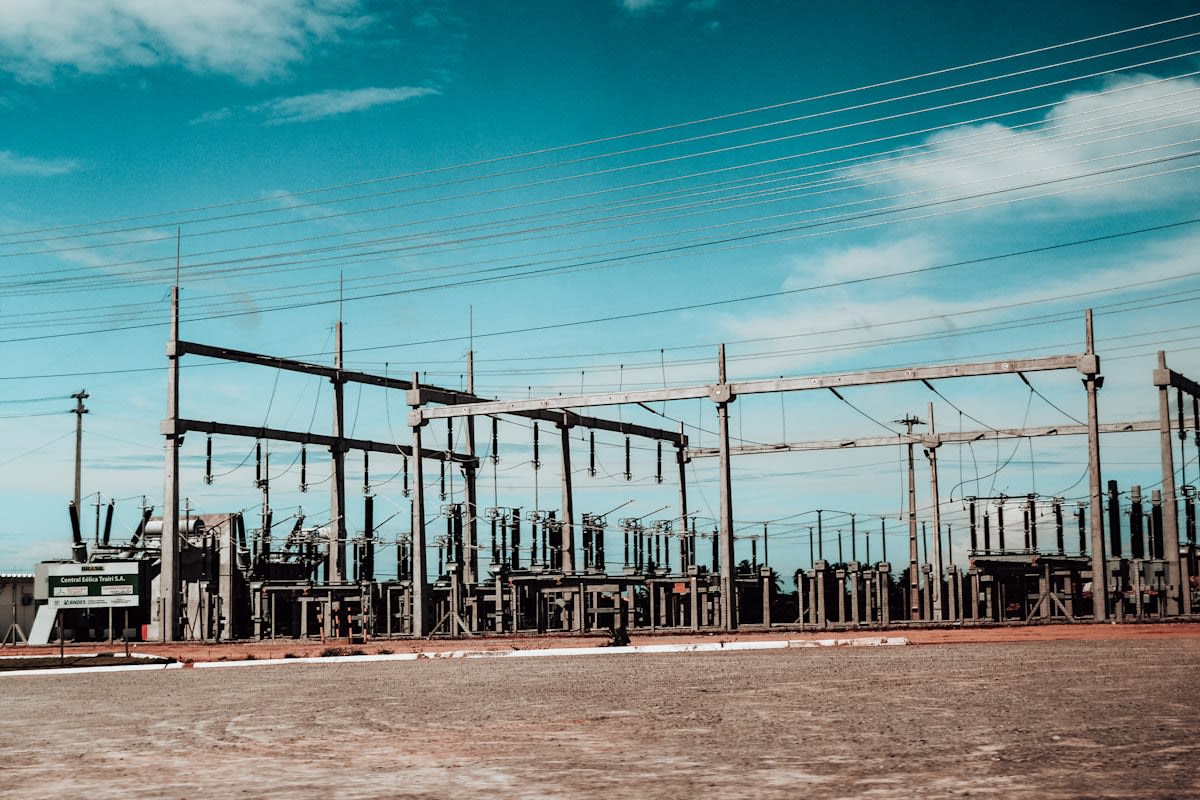
This shift is particularly evident in the energy transition. The migration isn't just about 'green' energy for the sake of ESG mandates; it is about the massive capital expenditure required to overhaul global grids. Investors are targeting the 'middle mile' of energy—transmission lines and storage facilities—which operate as regulated monopolies. This structure guarantees a predictable return on equity, providing a sovereign-like stability that public utility stocks, burdened by quarterly earnings pressure, cannot maintain.
"The pivot toward private infrastructure represents a fundamental change in how wealth is perceived. It is no longer about owning a share of a company that provides a service; it is about owning the actual service delivery mechanism itself."— Larry Fink, CEO at BlackRock (Paraphrased from 2024 Investment Outlook)
While the transition is global, the regional drivers vary. In the Middle East, sovereign wealth funds and private families are leveraging their capital to build logistics hubs that decouple their wealth from oil price volatility. In Singapore and Japan, there is a surge in investments toward digital infrastructure—specifically hyperscale data centers—to support the AI explosion. These assets are not just investments; they are strategic footholds in the digital economy.
This movement toward tangibility marks a departure from the 'paper wealth' era of the 2010s. The sophistication of the current move lies in the layering of debt. UHNWIs are utilizing bespoke credit facilities to leverage these infrastructure assets, effectively using the stable cash flows of a toll road or a pipeline to fund further acquisitions in higher-growth private equity ventures.
The Practitioner's Friction: What Happens in the War Room
On the ground, this shift is far from seamless. If you sit in on a family office investment committee meeting today, the debate isn't about whether to move into infrastructure—it's about the 'liquidity trap.' Practitioners are wrestling with the tension between the desire for sovereign-style control and the reality of 10-to-15-year lock-up periods. There is a fierce internal debate regarding the 'secondary market' for these assets. How do you exit a stake in a private water treatment plant in Brazil without taking a massive haircut on the valuation?
Furthermore, the friction often arises during the due diligence phase. Unlike a public stock where a Bloomberg terminal provides instant data, private infrastructure requires 'boots on the ground.' Experts are debating the true impact of climate risk on long-term valuations. Is a coastal port in Asia still a 'core' asset if sea levels rise faster than the projected 30-year horizon? This level of granular risk assessment is where the real professional battle is fought, far removed from the simplistic narratives of retail investing.
The current trend is also driven by a desire to avoid the 'valuation gap' seen in public markets. In the public sphere, a company's value can plummet 20% in a day based on a single missed projection. In private infrastructure, valuations are driven by discounted cash flow (DCF) models based on long-term contracts. This creates a psychological buffer for the investor, shifting the focus from daily price action to decadal cash flow.
| Feature | Public Equities (Old Guard) | Private Infrastructure (Sovereign Shift) |
|---|---|---|
| Volatility | High (Market Sentiment Driven) | Low (Contract Driven) |
| Liquidity | Instant (T+2) | Low (Long-term Lock-ups) |
| Income Profile | Variable Dividends | Inflation-Linked Yields |
| Control | Passive/Minority | Direct/Operational Control |
| Primary Driver | Earnings Growth | Essential Service Demand |
As we track the movement of capital, the 'Delta' becomes clear. Twelve months ago, the appetite for private credit was the primary story. Now, the story is the physical asset. According to the Knight Frank Wealth Report 2024, a growing percentage of UHNWIs are allocating more than 15% of their total net worth to 'real assets,' a significant increase from the 8-10% average seen in the previous decade (Source: Knight Frank, 2024).
The Digital and Energy Convergence
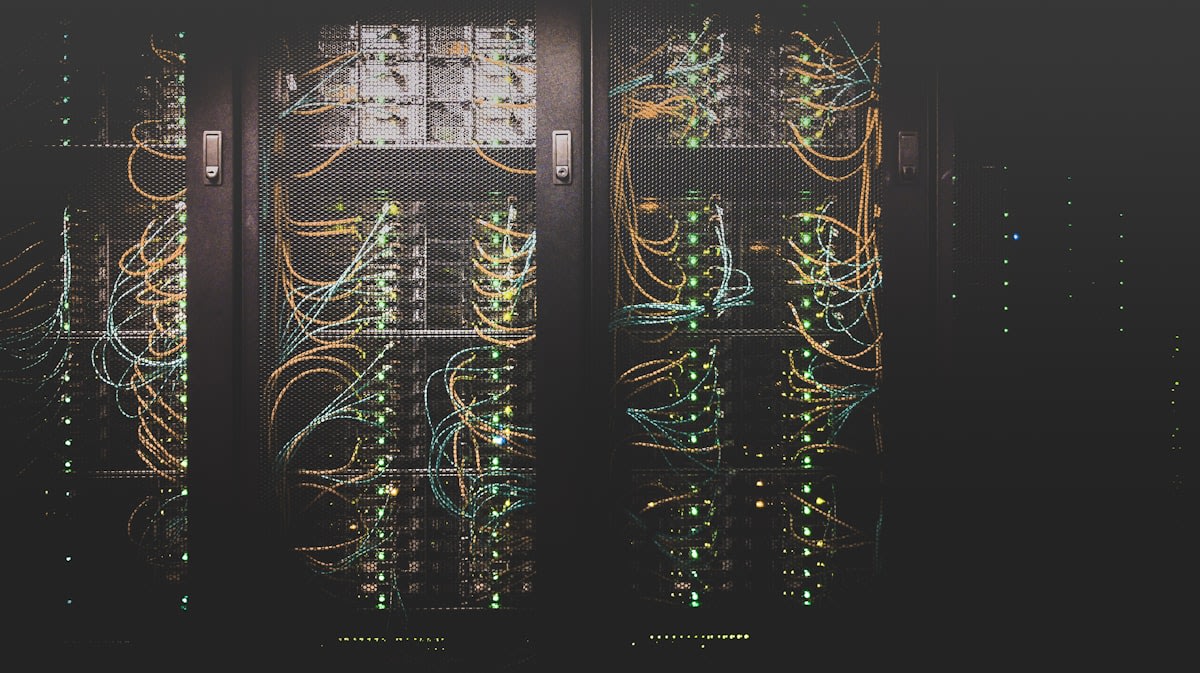
The most aggressive migration is occurring at the intersection of data and power. The AI revolution requires an unprecedented amount of electricity and cooling. UHNWIs are no longer just buying shares in chipmakers; they are buying the land, the power substations, and the cooling infrastructure that make those chips viable. This is a vertical integration of wealth.
- Hyperscale Data Centers: Moving from REITs to direct private ownership to capture higher margins.
- Grid Modernization: Investing in HVDC (High Voltage Direct Current) lines to facilitate cross-border energy trade.
- Cold Storage Logistics: Investing in the specialized infrastructure required for global pharmaceutical and food supply chains.
- Water Scarcity Tech: Acquiring private desalination plants and wastewater treatment facilities in water-stressed regions.
This strategy effectively creates a hedge against the very technology that is disrupting other sectors. While AI might displace white-collar jobs or disrupt traditional software companies, it cannot displace the need for electricity or the physical space to house a server. By owning the infrastructure, the UHNWI ensures they profit regardless of which AI company wins the software war.
The systemic implication of this shift is a potential hollowing out of public utility and infrastructure stocks. As the wealthiest players move their capital into private vehicles, the public markets lose the stabilizing influence of long-term institutional holders. This could lead to increased volatility for retail investors who remain in the public markets, while the 'Sovereign' class enjoys the quiet stability of private ownership.
We are witnessing a return to a Gilded Age style of investment, where the goal is not to trade the market, but to own the means of production and distribution. This is a move toward permanence in an era of ephemeral digital assets and fluctuating currency values.
Fact-Check & Accuracy Note
This article utilizes data trends from Preqin's 2024 Infrastructure reports and the Knight Frank Wealth Report 2024 to track UHNWI allocation shifts. The analysis of AI infrastructure and energy grids reflects current industry consensus among global asset managers. Note that private infrastructure valuations are not standardized, and 'market value' often relies on internal GP estimates rather than public exchange pricing, which remains a point of debate among financial auditors.