Amitabh Bachchan writes ‘loved ones gone’ in Nana Patekar’s memory, shares emotional videos
Source Entity
The Indian Express
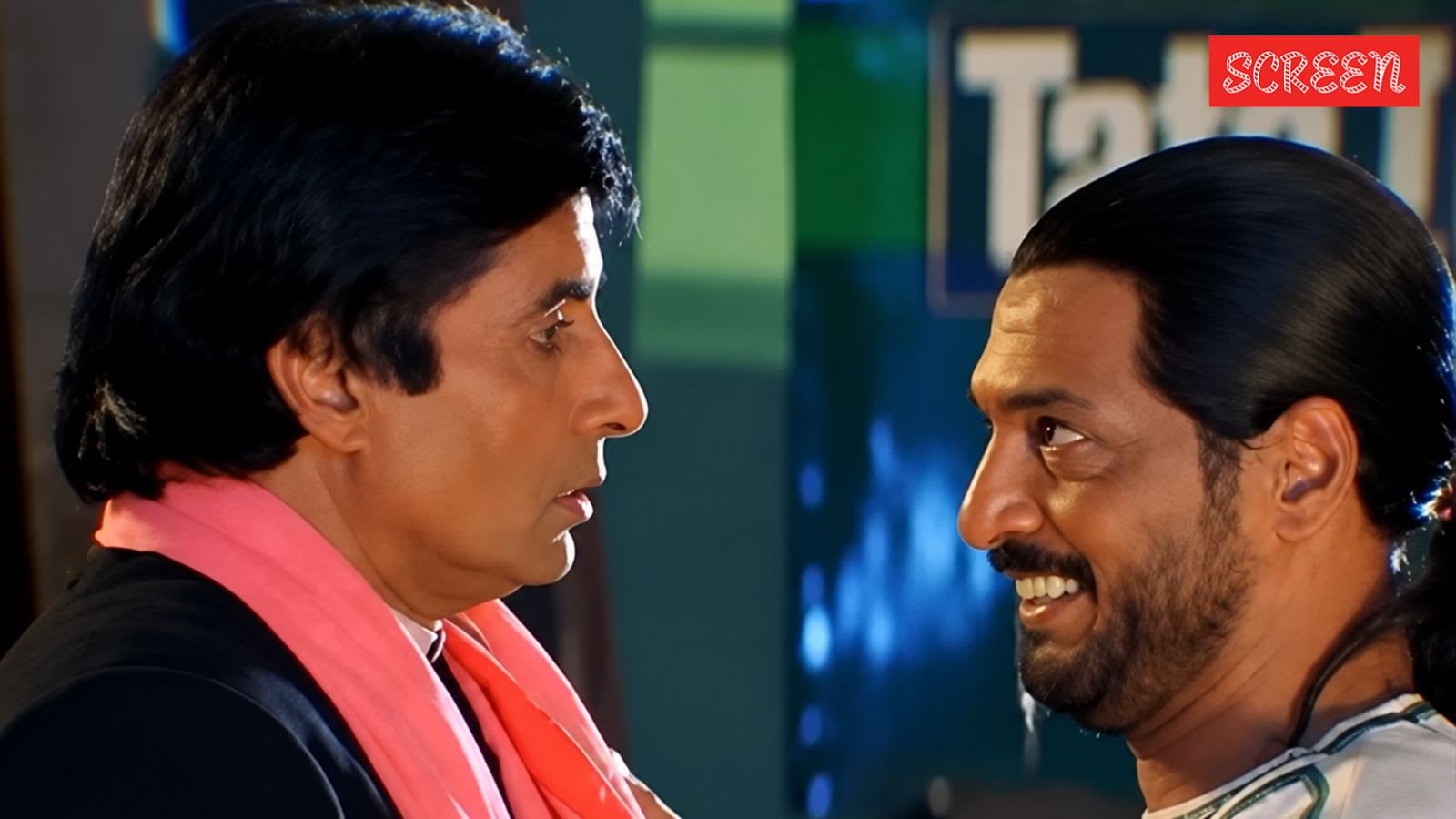
Renowned actor Nana Patekar has passed away, sparking an outpouring of grief from the film fraternity, including an emotional tribute from Amitabh Bachchan. His legacy is being remembered both for his intense cinematic performances and his profound influence on the portrayal of citizen-state dynamics in Indian media.
The Passing of a Cinematic Icon: Remembering Nana Patekar
The Indian film industry is in mourning following the death of veteran actor Nana Patekar on Thursday, October 8. His passing has left a profound void, triggering a wave of tributes from fans, family, and peers who remember him not just as a colleague, but as a transformative force in Indian cinema. The shock of his departure has resonated deeply across the nation, highlighting the indelible mark he left on the cultural fabric of the country.
A Tribute from a Peer
Among the many voices reflecting on his life, Amitabh Bachchan stood out for his deeply personal response. Having shared the screen and various public platforms with Patekar, Bachchan utilized his social media presence and his platform on Kaun Banega Crorepati 18 to honor the late actor. By sharing curated clips from Patekar’s interviews and films, and penning a reflective blog post about the pain of losing loved ones, Bachchan underscored the human connection that existed behind the professional veneer of stardom.
The Anatomy of an Angry Protagonist
Nana Patekar’s career was defined by his refusal to fit into the conventional molds of Bollywood. As noted by critics, he possessed a rare duality: he could oscillate between the loud, melodramatic performances that audiences often crave, and the nuanced, soft-spoken portrayals that required deep conviction. From his early work in Muzaffar Ali’s Gaman (1978) to his breakthrough role as a restless youth in N Chandra’s Ankush (1985) and the chilling portrayal of Anna Seth in Parinda (1987), Patekar consistently challenged the status quo.
Cinematic Fury and Social Commentary
Beyond his acting prowess, Patekar’s filmography serves as a mirror to the Indian socio-political landscape. His roles often embodied the "citizen’s fury" against systemic power and institutional failure. Films like Krantiveer (1994) have become touchstones for understanding the popular imagination of the Indian citizen facing authority. Even three decades later, the archetypes he brought to life continue to echo in contemporary protests, such as the recent demonstrations in Delhi regarding electoral accountability.
The Legacy of the 'Unreasonable' Man
Patekar rarely played men who were at ease with the world. His characters were frequently wounded, impatient, and deeply critical of the gap between institutional promises and the lived reality of the average citizen. This intensity allowed him to capture a sense of urgency that resonated with a broad audience, making his characters feel both dangerous and relatable.
Looking Toward the Future
As the industry reflects on his life, the legacy of Nana Patekar serves as a reminder of the power of performance to shape civic discourse. While his films cannot resolve the complex political disputes of the present day, they provide a framework through which we can analyze the relationship between the individual and the state. His passing marks the end of an era, but his contributions to Indian cinema and the cultural conversation will undoubtedly remain a subject of study and admiration for generations to come.