Tesla recalls 3 million cars as part of China-wide push to stop hidden door handles
Source Entity
Sean O'Kane
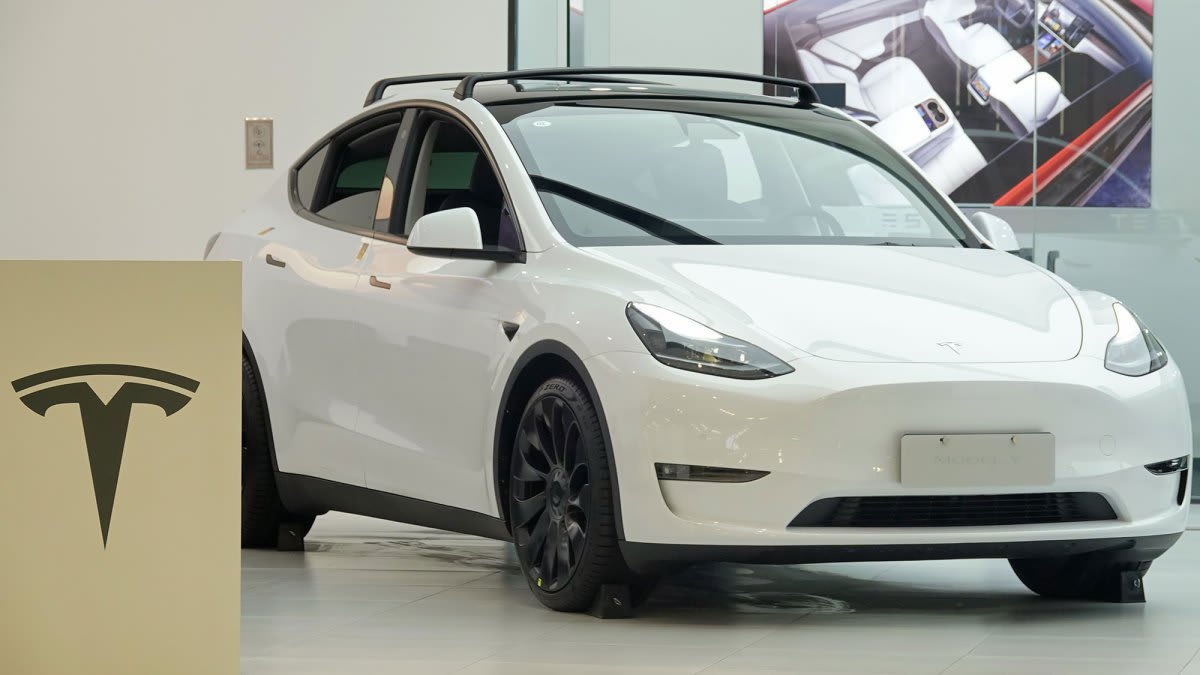
Tesla is recalling nearly 3 million vehicles in China to install warning labels for emergency door releases following regulatory pressure. The recall also addresses deficiencies in driver monitoring systems to improve overall vehicle safety.
Tesla’s Massive Recall: Navigating Safety Challenges in China
Tesla is facing a significant regulatory milestone in China, with a recall affecting approximately 3 million vehicles. This action, prompted by Chinese safety regulators, focuses on critical emergency egress issues associated with the company’s electronically operated, retractable door handles. As electronic latches become an industry standard, the potential for these systems to fail during high-impact collisions—specifically when the low-voltage electrical system is compromised—has become a major point of contention for authorities overseeing the world’s largest automotive market.
The Shift to Electronic Latches
Modern vehicle design has increasingly favored sleek, flush-mounted, or electronic door handles to improve aerodynamics and aesthetic appeal. However, as Tesla and other manufacturers like Xiaomi, Xpeng, and Geely brands have learned, these innovations can obscure traditional emergency exit paths. In the event of a crash or fire, if the car loses power, occupants may struggle to locate manual overrides. The current recall addresses this by mandating the installation of clear, standardized warning labels to guide users during high-stress scenarios.
Broader Regulatory Impact
This move is part of a wider, industry-wide crackdown by Chinese regulators affecting 11 automakers. Beyond mere labeling, the government is moving toward stricter oversight of vehicle design. New regulations set to take effect next year will dictate specific dimensions and accessibility standards for door handles on newly approved vehicles. By forcing current models like the Model 3 and Model Y to comply through retrofitted labels and software updates, regulators are signaling that safety features must remain intuitive regardless of technological complexity.
Addressing Driver Monitoring Systems
In addition to the door handle concerns, the recall encompasses updates to Tesla’s driver "attention monitoring" systems. This dual-pronged approach reflects the increasing scrutiny Tesla faces regarding its suite of driver-assist technologies. By bundling these safety updates, Tesla is attempting to align its existing fleet with the more stringent expectations set by Chinese authorities, ensuring the brand remains a viable and compliant competitor in the region.
Future Trends and Market Implications
Looking ahead, this recall underscores a growing trend in the automotive sector: the reconciliation of advanced digital interfaces with physical safety requirements. As vehicles become more like mobile computers, the tension between "smart" design and "fail-safe" mechanical operation will likely continue to draw regulatory attention. For Tesla, successful implementation of these updates is crucial for maintaining market trust and avoiding further punitive measures in a competitive landscape that is increasingly prioritizing occupant safety above all else.
Conclusion
Ultimately, the recall of 3 million vehicles represents a necessary evolution in Tesla’s safety protocol in China. By addressing both the physical accessibility of emergency door releases and the efficacy of driver monitoring, the company is responding to systemic safety concerns. While this represents a logistical challenge, it serves as a baseline for future design standards, ensuring that the next generation of electric vehicles balances innovation with the fundamental necessity of occupant survivability.