Manipur: Kuki-Zo Council opposes NRC before Census, calls demand ‘premature’
Source Entity
Latest News: Todays Latest News Headlines from India & World | Hindustan Times | Hindustan Times
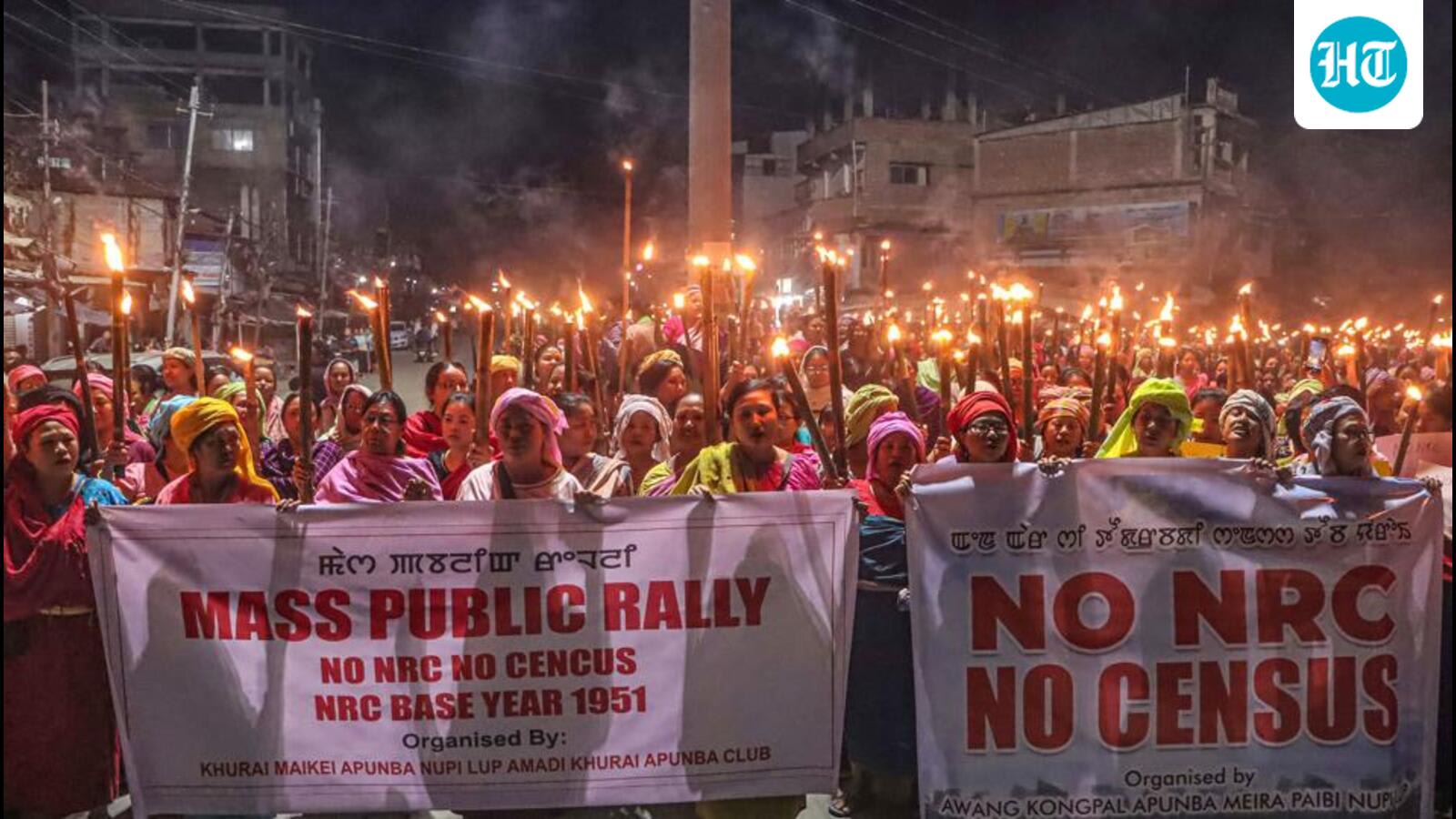
The Kuki-Zo Council in Manipur has rejected calls for an NRC implementation prior to the national Census, citing concerns over demographic manipulation. The council asserts that a neutral, government-led Census is necessary to establish factual population data amidst ongoing regional tensions.
The Controversy Over Demographic Documentation in Manipur
The Kuki-Zo Council (KZC), acting as an apex representative body for Kuki-Zo communities in Manipur, has issued a formal objection to the push by various Meitei and Naga organizations for the implementation of a National Register of Citizens (NRC) prior to the decennial Census. This friction highlights a deep-seated struggle over data, identity, and political representation in a region currently grappling with significant social instability.
The KZC’s Position on Procedural Order
At the heart of the council's argument is the assertion that the demand for an NRC is both "premature and unjustified" at this juncture. The KZC contends that any attempt to verify citizenship or residency statuses before a comprehensive, impartial Census is conducted is logically flawed. By prioritizing the Census, the council believes the state can first establish a baseline of demographic reality, which they argue has been obscured by conflicting narratives and political propaganda throughout the ongoing Manipur conflict.
Jurisdictional Boundaries and Federal Authority
The KZC statement serves as a reminder of the federal structure of India’s administrative processes. The council emphasized that the NRC is a national exercise under the exclusive purview of the central government. By asserting this, the KZC is challenging the authority of local groups or the state government to unilaterally dictate the timeline or specific implementation protocols of a national-level policy, effectively appealing to New Delhi to maintain neutrality in the process.
Historical Context and Demographic Anxiety
The tension surrounding the NRC is intrinsically linked to the broader conflict in Manipur, where concerns over illegal migration and demographic shifts have become primary drivers of political discourse. The KZC points to the "falsehoods and propaganda" currently circulating regarding their population status as a justification for their skepticism toward local demands for an NRC. They view an impartial Census as the only viable mechanism to de-escalate these anxieties and provide a fact-based foundation for future policy.
Implications for Future Governance
Looking forward, the push for a Census in 2027 represents a critical juncture for Manipur’s governance. If the central government proceeds with a Census, the methodology and the perception of its impartiality will determine whether the resulting data acts as a tool for reconciliation or a further point of contention. The KZC’s insistence on a neutral count underscores that, in a fractured political landscape, data is not merely administrative—it is a central pillar of political legitimacy and community survival.
Conclusion
The opposition voiced by the Kuki-Zo Council highlights the fragility of trust between ethnic groups in Manipur. By prioritizing a formal Census over the politically charged NRC demand, the KZC is attempting to shift the discourse from speculative demographic claims to verified statistical data. Whether this approach will successfully mitigate the ongoing tensions remains to be seen, as the battle for demographic recognition continues to shape the state's political future.
Verification Required?