Tribal students meet minister, seek rollback of new hostel rules
Source Entity
Latest News: Todays Latest News Headlines from India & World | Hindustan Times | Hindustan Times
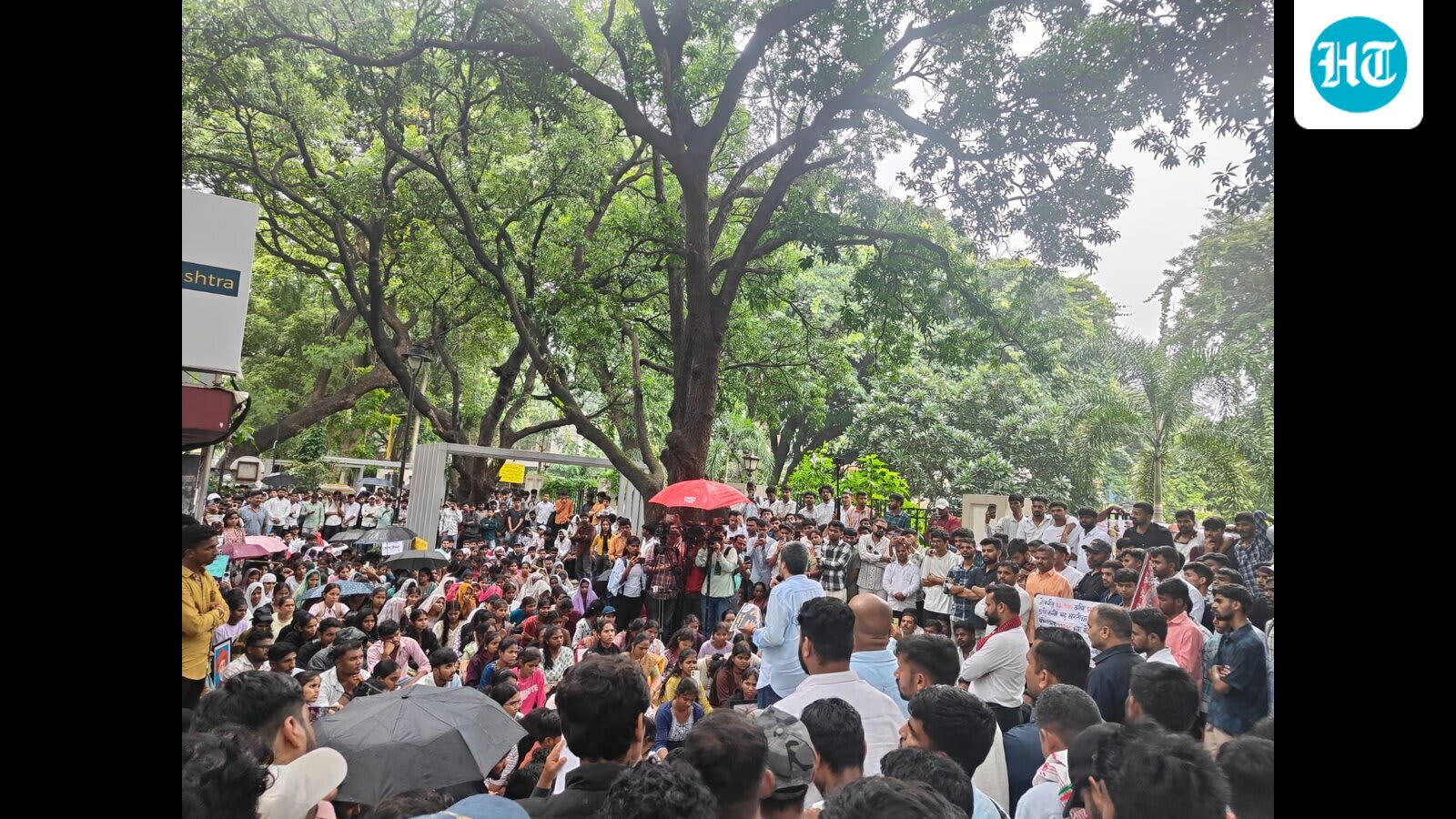
Tribal students in Pune are continuing a 12-day hunger strike to protest against new government hostel regulations. They met with Minister Ashok Uike to demand a return to the 2011 policy framework and improved welfare provisions.
Tribal Students Challenge New Hostel Regulations in Maharashtra
A delegation of tribal students has initiated a significant standoff with the Maharashtra state government, marked by a hunger strike that has now stretched beyond 12 days. The protesters, currently based in Pune, are voicing intense opposition to a government resolution (GR) issued on August 5, which introduced sweeping changes to the management and operational rules of tribal hostels. The students argue that these new provisions threaten their access to education and basic living standards.
The Core Demands and the Meeting with Authority
Following a marathon five-hour meeting with Maharashtra Tribal Development Minister Ashok Uike in Mumbai, the student representatives submitted a formal memorandum. Their core demands are clear: the immediate withdrawal of the August 5 GR and a reversion to the 2011 policy framework. The students believe the 2011 rules provided a more stable and supportive environment for tribal scholars, and they are pushing for the government to implement only necessary, student-centric modifications to that older system rather than the current overhaul.
Economic Pressures and Maintenance Allowances
Central to the students' grievances is the issue of financial support. The delegation has explicitly requested annual, inflation-linked revisions to their maintenance allowances. Given the rising cost of living in urban centers like Pune, the students contend that the current fiscal support is insufficient to cover basic needs. By tying these allowances to inflation, the students are seeking a sustainable model that prevents the erosion of their purchasing power over time, ensuring they can focus on their academic pursuits rather than financial survival.
The Standoff Continues
Despite the lengthy negotiations with Minister Uike, the situation remains at an impasse. The government has reportedly conditioned future meetings with the Chief Minister upon the withdrawal of the ongoing hunger strike. However, the student body, represented by figures such as Somnath Nirmal, has remained steadfast, refusing to abandon their protest until their demands are met. This persistence highlights a deep-seated distrust between the student community and the current administrative framework.
Broader Implications for Tribal Welfare
This protest serves as a microcosm of the wider challenges faced by tribal communities in accessing state-sponsored welfare. Hostel facilities are not merely housing; they are critical infrastructure that enables tribal students to transition from rural areas to urban educational hubs. Any reduction in the quality of these facilities or the tightening of eligibility and support rules can have a disproportionate impact on the educational outcomes of marginalized youth, potentially widening the socio-economic gap.
Future Outlook
The resolution of this conflict will likely depend on the state government's willingness to balance administrative austerity with social welfare obligations. If the government fails to address the concerns regarding facility standards and financial support, the movement could potentially gain further momentum, drawing attention to the systemic issues within the tribal development department. Moving forward, the outcome of this protest will be a litmus test for how the state handles grassroots advocacy from marginalized groups.
Verification Required?