‘System needs to take a pause’: Protest erupts at IIT Delhi days after student’s death
Source Entity
MEGHNA DHULIA
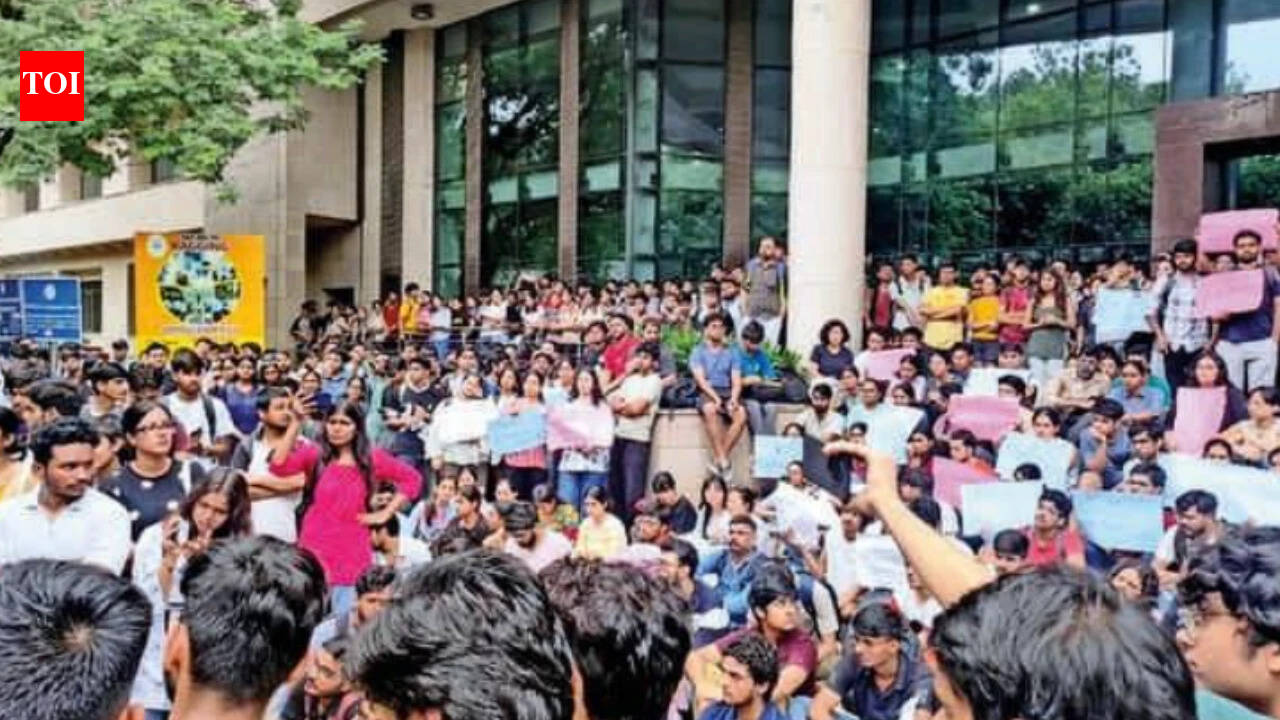
IIT Delhi students are protesting for systemic reforms following the tragic death of a student, citing a pattern of neglect and administrative failure. Advocacy groups have highlighted a broader crisis, noting 65 suicides across IITs in five years, prompting the administration to reconsider its inquiry process.
The Crisis at IIT Delhi: A Demand for Systemic Accountability
Recent protests at the Indian Institute of Technology (IIT) Delhi have ignited a critical conversation regarding the mental health and administrative culture within India’s elite technical institutions. Following the tragic death of a 31-year-old MSc Physics student, the student body has mobilized to demand an independent probe into what they describe as profound administrative failures. The protests, characterized by calls for a 'pause' in the academic system, highlight a deep-seated frustration with an environment that students feel prioritizes academic rigor over individual well-being.
The Anatomy of the Protest
The demonstrations have centered on specific grievances, including the denial of academic projects and a lack of adequate support systems for students facing personal hardships. Reports indicate that the deceased student was grappling with significant mental health challenges following the loss of his father, yet received insufficient institutional support. This has led protesters to demand the resignation of key officials, including the Dean and Associate Deans of the Students’ Welfare Office, as well as the head of the physics department, whom they hold accountable for failing to create a compassionate academic environment.
Structural Failures in Elite Education
The Cockroach Janta Party (CJP) has amplified these concerns, noting that the incident is not an isolated tragedy but symptomatic of a larger, systemic crisis. With 65 reported suicides across various IIT campuses over the last five years—and 8 at IIT Delhi alone within the last three years—critics argue that the 'structural problem' is endemic. The placards carried by students, reading 'IIT-D: Dreams or Death,' serve as a stark indictment of the pressure-cooker environment that these premier institutions foster.
Allegations of Moral Profiling
Beyond the lack of psychological support, students have voiced strong condemnation against alleged 'moral profiling' within the institute. This suggests that the issues at hand extend beyond academic pressure into the realm of administrative bias and exclusionary practices. By calling for an independent inquiry rather than an internal investigation, students are signaling a profound lack of trust in the current administration’s ability to police itself or address the root causes of student distress.
Administrative Response and Future Outlook
The administration has met with the protesting students, agreeing to consider demands for compensation and the formation of a reconstituted, independent inquiry panel. While this is a concession, the long-term resolution remains uncertain. The pressure on the institution to move beyond reactive measures and implement comprehensive, systemic change is immense. The future of this crisis will likely hinge on whether the administration can transition from defensive posturing to a genuine commitment to student welfare reform.
Conclusion
The tragedy at IIT Delhi has become a flashpoint for a national discussion on the human cost of academic excellence. As the institute moves to reconstitute its inquiry panel, the eyes of the academic community remain fixed on whether this will lead to substantive, structural change or if it will remain a superficial attempt to quell unrest. The demand for an 'immediate' reevaluation of the support systems within IITs is a clarion call that echoes far beyond the gates of the Delhi campus.
Multiple Citing Sources