18th BRICS Academic Forum: Meet ends at LU, council presents recommendations
Source Entity
Latest News: Todays Latest News Headlines from India & World | Hindustan Times | Hindustan Times
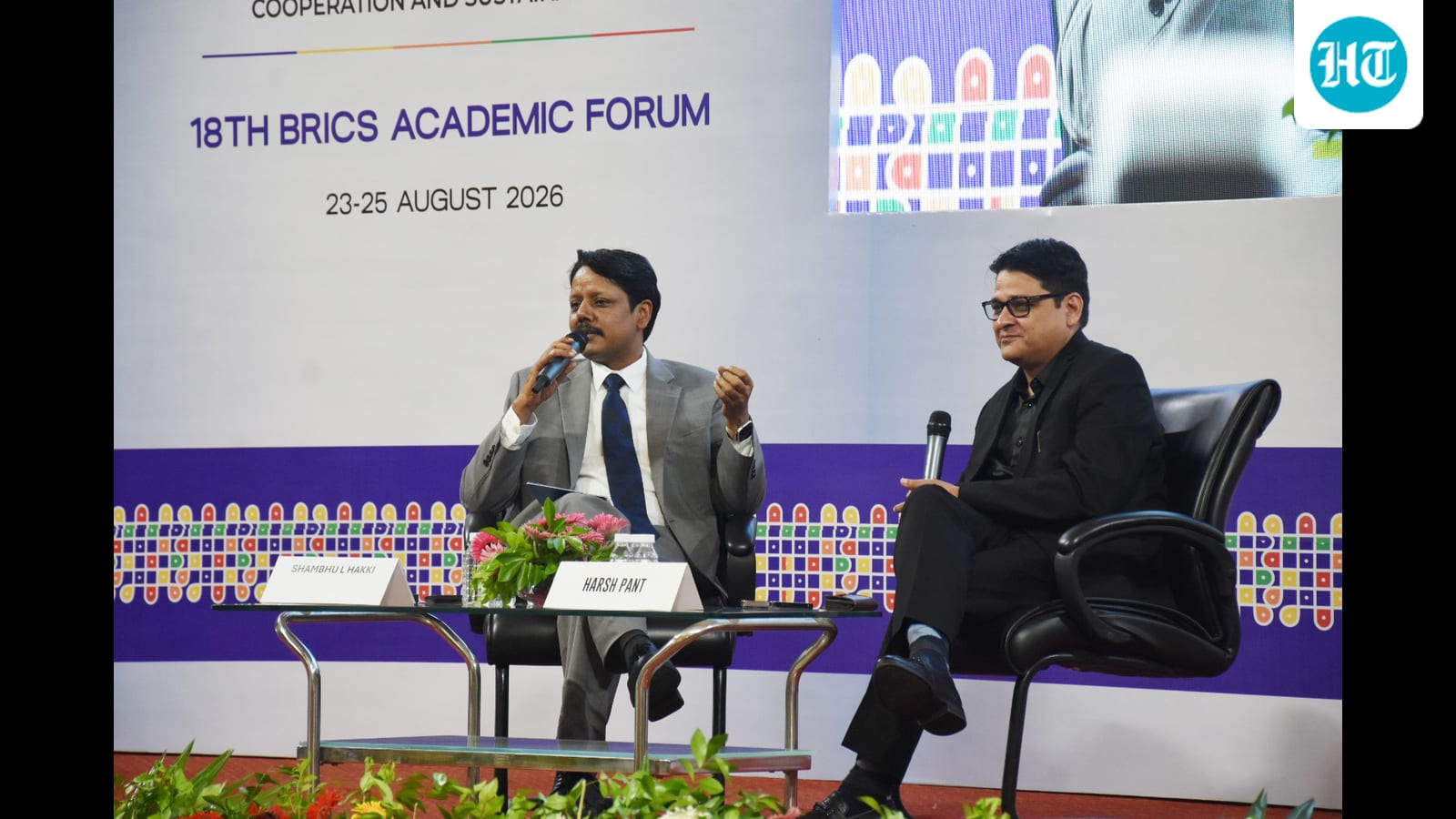
The 18th BRICS Academic Forum concluded at Lucknow University with the presentation of strategic recommendations focused on economic resilience, innovation, and sustainable development. These proposals were submitted to the Ministry of External Affairs to help guide future multilateral cooperation.
Strengthening Multilateral Ties: The 18th BRICS Academic Forum
The 18th BRICS Academic Forum, hosted at the historic Lucknow University, served as a critical platform for intellectual exchange among the member nations. By convening policymakers, academics, and experts at the Malviya Auditorium, the event highlighted the growing importance of the BRICS Think Tanks Council in shaping the bloc's strategic agenda. The forum's conclusion marked a pivotal moment for the organization as it sought to synthesize complex global challenges into actionable policy directives.
Prioritizing Economic and Climate Resilience
At the heart of the forum’s recommendations was a robust focus on economic and climate resilience. In an era of shifting global trade patterns and environmental instability, the Council emphasized the need for practical pathways that safeguard member economies against external shocks. By fostering a collaborative approach to climate adaptation, BRICS nations aim to leverage their collective influence to address the existential threats posed by environmental degradation while maintaining growth trajectories.
Innovation and Technological Cooperation
Deepening cooperation on innovation and technology emerged as a central pillar of the discussions. The Council’s proposal underscores a shift toward shared technological infrastructure and research initiatives. By aligning their innovation ecosystems, BRICS countries hope to reduce their dependency on external proprietary technologies and foster home-grown solutions that address the specific socio-economic needs of the Global South.
Sustainable Development and Inclusivity
Beyond economic metrics, the forum placed significant weight on sustainable development and the advancement of an inclusive multilateral system. The recommendations presented to Shambhu L Hakki, the Ministry of External Affairs' Joint Secretary (MER) and BRICS Sous-Sherpa, advocate for a global governance structure that better represents the interests of emerging economies. This push for inclusivity is essential for ensuring that international policy frameworks reflect the modern geopolitical reality.
The Role of Academic Diplomacy
The partnership between the Observer Research Foundation, Research and Information System for Developing Countries, and Lucknow University highlights the vital role of academic diplomacy in international relations. By integrating scholarly expertise with government policy, the forum ensures that the recommendations submitted to the Ministry of External Affairs are grounded in rigorous analysis. This synergy is crucial for the long-term success of BRICS as it navigates the complexities of an increasingly fragmented global order.
Future Implications and Outlook
Looking forward, the success of the 18th BRICS Academic Forum sets a precedent for how the bloc will approach its upcoming summits and policy negotiations. The emphasis on practical pathways rather than purely theoretical discourse signals a maturing organization. If these recommendations are integrated into the broader BRICS agenda, the bloc is likely to exert significant influence on international standards regarding climate policy, trade resilience, and technological sovereignty in the coming years.
Verification Required?