Fed Gov Lisa Cook’s lawyer fires back at Trump's renewed threat to oust her
Source Entity
US Top News and Analysis
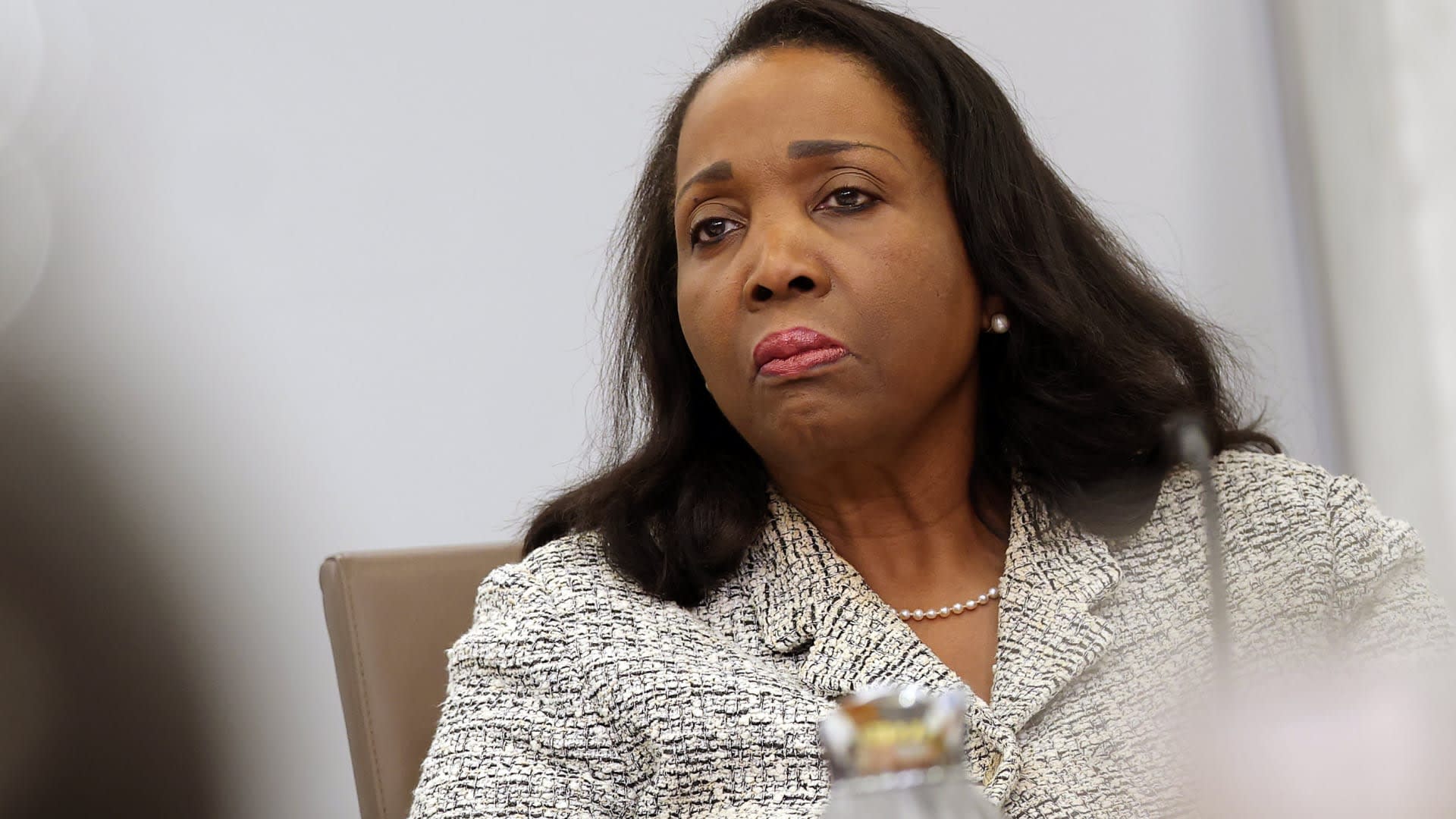
Federal Reserve Governor Lisa Cook is challenging President Trump’s efforts to remove her from office by refuting mortgage fraud allegations. Her legal counsel characterizes the discrepancy as an inadvertent error, pushing back against the administration's claims.
The Legal Battle for Federal Reserve Independence
Conflict Over Institutional Integrity
The ongoing standoff between the White House and Federal Reserve Governor Lisa Cook represents a significant escalation in the tension between executive authority and the independence of the nation’s central bank. President Donald Trump, seeking to influence monetary policy through aggressive interest rate cuts, has initiated a move to remove Governor Cook from her post. This action is predicated on allegations of mortgage fraud, which the administration claims provide sufficient grounds for termination.
The Nature of the Allegations
At the heart of the dispute is a claim from the White House, communicated via aide Dan Scavino, that Governor Cook provided false statements on mortgage agreements. In response, Cook’s legal representative, Abbe Lowell, has submitted a five-page rebuttal categorically denying these claims as unfounded. The defense specifically addresses the core of the controversy: an inadvertent error regarding the classification of an Atlanta apartment as a primary residence. By framing this as a clerical mistake rather than intentional fraud, Cook’s defense team is attempting to dismantle the legal justification required for the President to initiate a removal process.
Judicial Oversight and Constraints
The conflict is further complicated by the history of judicial intervention. In late June, the Supreme Court issued a ruling that blocked President Trump’s initial attempt to oust Governor Cook. While the Court stopped the immediate removal, it notably left open a legal pathway for the administration to attempt a second removal if they could substantiate their claims. This ruling underscores the precarious balance between the President’s power to appoint and remove officials and the statutory protections designed to shield the Federal Reserve from political influence.
Implications for Monetary Policy
This struggle is not merely a legal dispute; it is deeply tied to the broader economic agenda of the current administration. President Trump has made his desire for sharply lower interest rates a cornerstone of his economic platform. By targeting a member of the Board of Governors, the administration is testing the limits of presidential control over the Federal Reserve. If successful, such a removal could signal a shift toward greater executive influence over monetary policy, potentially altering how the Fed manages inflation and economic growth.
The Future of Regulatory Governance
As the deadline for the administration's response approaches, the outcome of this case will set a critical precedent for the future of federal oversight. If the administration fails to prove the fraud allegations in court, it may face significant hurdles in attempting to reshape the Fed’s composition. Conversely, if the courts allow for removal based on these grounds, it could lead to increased scrutiny of all federal appointees and potentially weaken the autonomy of non-partisan regulatory bodies. The nation now watches to see if the legal system will uphold the current protections or allow the executive branch to bypass established institutional safeguards.