Goa Cabinet clears anti-conversion bill ahead of assembly monsoon session
Source Entity
Latest News: Todays Latest News Headlines from India & World | Hindustan Times | Hindustan Times
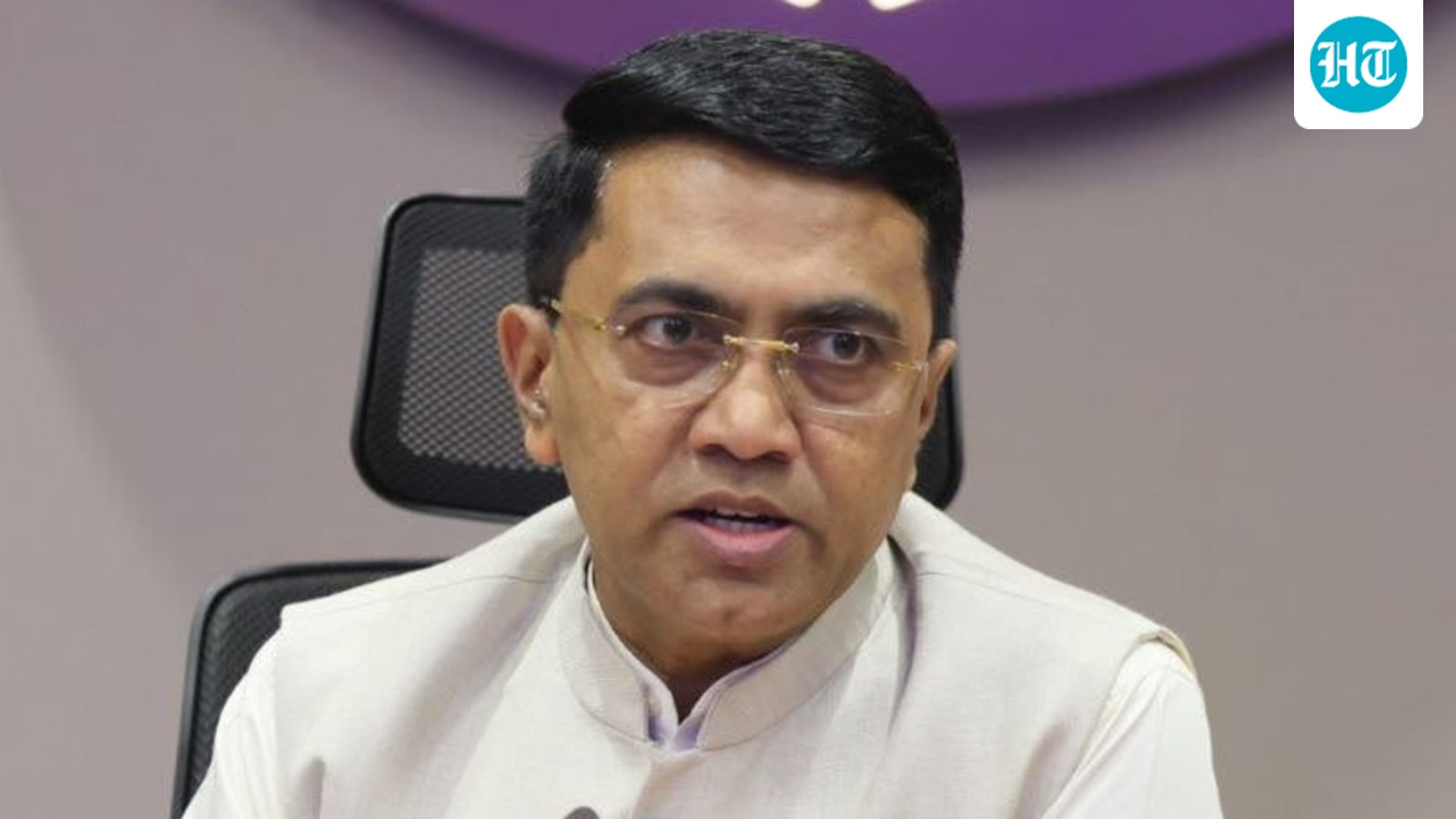
The Goa Cabinet has approved an anti-conversion bill, proposing strict penalties for forced religious conversions. If passed during the upcoming monsoon session, Goa will become the 13th Indian state to enact such legislation.
Legislative Shift in Goa: Analyzing the Anti-Conversion Bill
The Move Toward Legal Regulation
The Goa Cabinet has officially cleared the 'Goa Prohibition of Unlawful Conversion of Religion Bill,' setting the stage for its introduction in the monsoon session of the state assembly commencing on August 31. This legislative push, championed by Chief Minister Pramod Sawant, aims to criminalize religious conversions achieved through force, coercion, undue influence, allurement, or marriage. The proposal marks a significant policy shift for the coastal state, which has historically maintained a diverse religious demographic.
Scope of Penalties and Enforcement
The proposed legislation carries severe legal consequences, with provisions for imprisonment ranging up to 10 to 14 years for those found guilty of facilitating unlawful conversions. The bill explicitly targets a wide spectrum of religious functionaries, including priests, karmkandis, maulvis, and mullas, holding them accountable if they are involved in processes deemed illegal under the new framework. By formalizing these penalties, the state government is signaling a strict approach to regulating religious transitions.
Demographic Context and National Trends
Goa represents a unique case study in the national discourse on religious freedom and state regulation. With Christians and Muslims comprising over 35% of the state's population, the implementation of such a law carries significant social weight. If passed, Goa will become the 13th state out of 28 in India to enact an anti-conversion law, reflecting a broader trend where Indian states are increasingly asserting legislative control over religious practices under the guise of preventing forced conversions.
Political Motivations and Historical Backdrop
The current legislative effort is not sudden; Chief Minister Pramod Sawant had previously advocated for an anti-conversion law in the state assembly in July of last year. This persistence suggests that the government views the legislation as a priority, aligning its regional policy with a wider political agenda observed in other states. The move is viewed by supporters as a protective measure for social harmony, while critics often raise concerns regarding the impact on individual freedom of choice and constitutional rights.
Broader Socio-Political Implications
The implications of this bill extend beyond the immediate legal text. By including 'marriage' as a potential ground for invalidating conversions, the bill mirrors similar legislative efforts in other Indian states that have faced intense scrutiny regarding the intersection of personal liberty and state security. As the bill heads to the assembly, the debate will likely center on the balance between preventing exploitation and protecting the secular fabric of the state, especially in a region defined by its multi-religious heritage.
Future Trajectory
As the monsoon session approaches, the discourse surrounding the bill is expected to intensify. The passage of this legislation would signify a major milestone in the ongoing national debate concerning the limits of religious proselytization. Future trends indicate that as more states adopt these measures, the judiciary will likely face increased pressure to determine the constitutionality of such laws, potentially setting the stage for long-term legal battles over the fundamental rights of citizens to choose or change their faith.
Verification Required?