Partial lunar eclipse in August 2026: An astrologer shares how the lunar event brings an astrological impact
Source Entity
Latest News: Todays Latest News Headlines from India & World | Hindustan Times | Hindustan Times
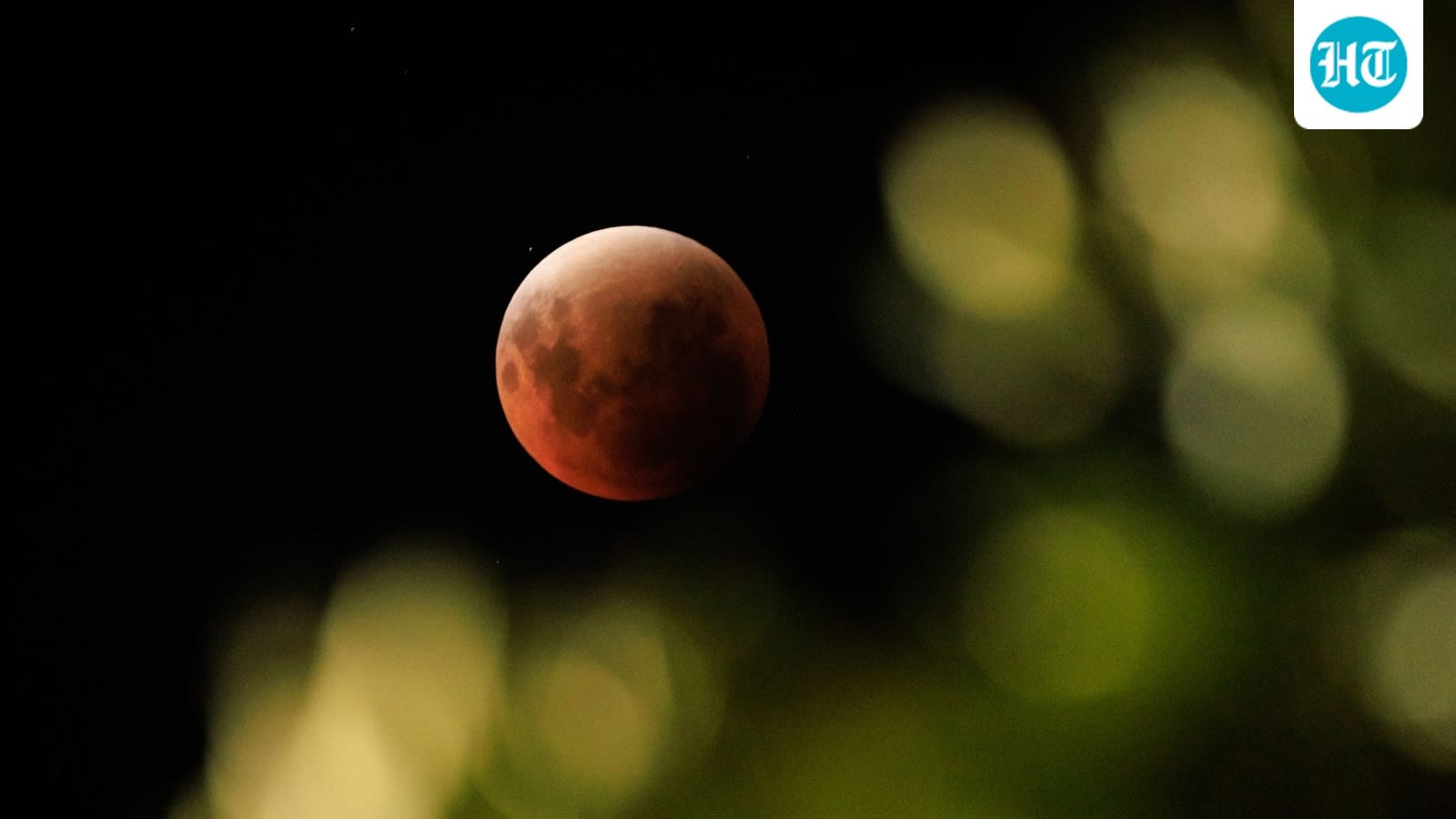
A deep partial lunar eclipse is set to occur on August 27-28, 2026, with 96% of the Moon entering Earth's umbra. Beyond the astronomical significance, astrologers view this event as a pivotal moment in an 18-month cycle affecting personal awareness.
The Astronomical Significance of the August 2026 Lunar Eclipse
On the night of August 27 and continuing into the early hours of August 28, 2026, the sky will host a significant astronomical event: a deep partial lunar eclipse. According to data provided by NASA and Space.com, this event is notable for its coverage, with approximately 96% of the Moon passing into the Earth’s darkest shadow, known as the umbra. For observers in the United States, the timing of this event spans the late evening of August 27 and the early morning of August 28, with the maximum eclipse occurring at approximately 4:14 a.m. UTC.
Understanding the Timeline
The visibility and timing of this eclipse are highly dependent on geographic location, particularly across the United States. For those in the Eastern Time Zone, the penumbral phase—the initial stage where the Moon enters the outer part of Earth's shadow—begins at 9:23 p.m. EDT on August 27. The more dramatic partial phase commences at 10:33 p.m. EDT, culminating in the peak of the eclipse around 12:12 a.m. EDT on August 28. This progression offers a rare opportunity for skywatchers to witness the Moon's transition as it is obscured by the Earth's shadow.
The Intersection of Astronomy and Astrology
While science focuses on the orbital mechanics of the Earth, Moon, and Sun, the cultural and astrological response to such events remains profound. US-based astrologer Galit Raiman has framed this specific lunar event as a critical "turning point" within a broader 18-month eclipse cycle. According to this perspective, the eclipse, which occurs in the sign of Pisces, serves as a catalyst for heightened awareness regarding personal life events that may seem minor but carry significant weight.
Interpreting the 'Eclipse Cycle'
Astrologers often categorize eclipses as part of a series that influences long-term personal development. By identifying this August 2026 event as a pivot point, practitioners suggest that the period surrounding the Full Moon is an ideal time for observation rather than immediate, reactive decision-making. The emphasis is placed on mindfulness, encouraging individuals to pay closer attention to seemingly mundane occurrences—such as brief conversations or sudden shifts in daily plans—as potential indicators of deeper shifts in their lives.
Broader Implications and Future Trends
The dual fascination with this event—as both a measurable scientific phenomenon and an astrological milestone—highlights the enduring human interest in lunar activity. As we approach August 2026, the event is expected to draw significant public attention, blending the precision of NASA’s orbital tracking with the interpretive frameworks used by those who find meaning in celestial alignments. This convergence ensures that the August 2026 lunar eclipse will be a highly observed event, both through telescopes and through the lens of personal reflection.
Conclusion
The upcoming partial lunar eclipse stands as a reminder of the consistent, rhythmic nature of our solar system. Whether one views the event through the clinical precision of orbital mechanics or the interpretive, reflective practices of astrology, the 2026 eclipse offers a moment for collective pause. As the Moon enters the Earth's umbra, it provides not only a spectacular sight for skywatchers but also a symbolic opportunity for many to reconsider their personal path within the context of an ongoing 18-month cycle.
Verification Required?