Born After 7 Years, Sikkim's Red Panda Cubs Are Thriving, Can Be Adopted Now
Source Entity
NDTV News Search Records Found 1000
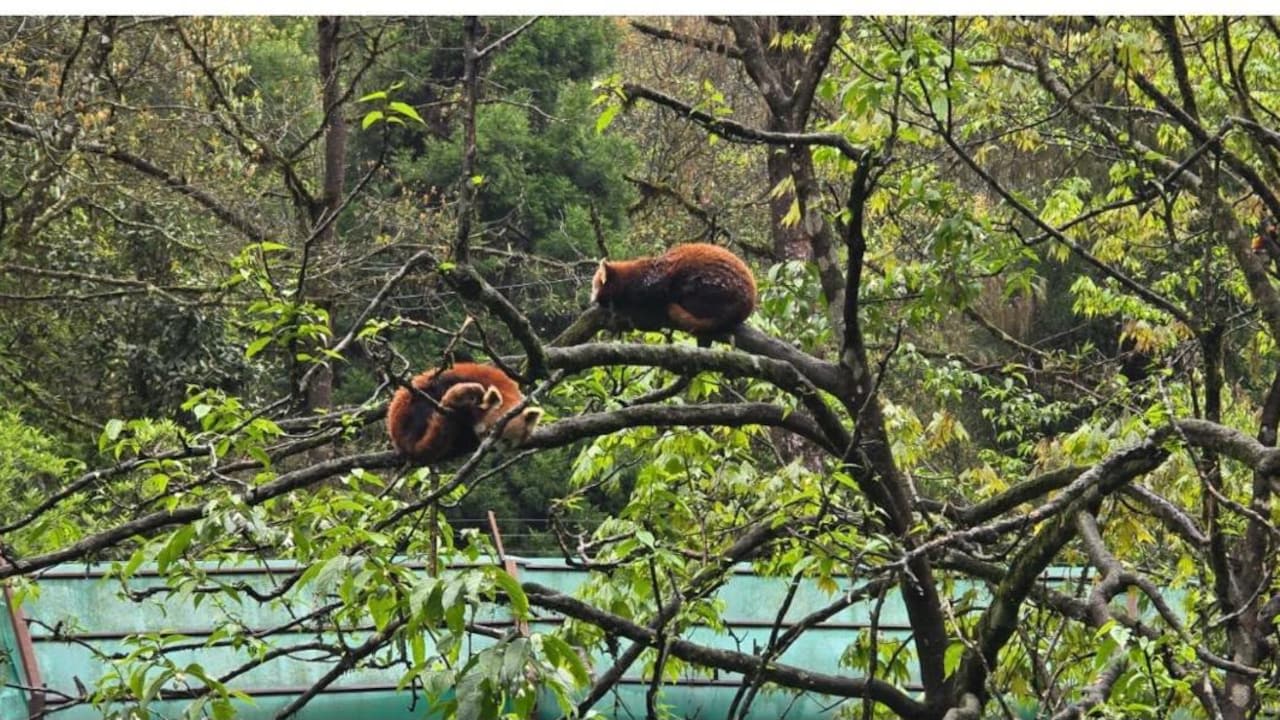
Sikkim's Himalayan Zoological Park has successfully bred red panda cubs after a seven-year hiatus. The thriving cubs are now part of a new adoption program to support conservation efforts.
A Conservation Milestone in the Himalayas
After a prolonged seven-year period without any successful breeding, the Himalayan Zoological Park in Sikkim has announced the arrival of thriving red panda cubs. This development serves as a significant milestone for wildlife conservationists who have long worked to stabilize the population of this elusive, bamboo-dependent species within their native high-altitude habitats. The birth of these cubs is not merely a biological success but a testament to the intensive care and environmental management protocols implemented at the park.
Understanding the Red Panda's Plight
The red panda (Ailurus fulgens) faces severe threats in the wild, ranging from habitat fragmentation and deforestation to the impacts of climate change on the Himalayan ecosystem. Because these animals are notoriously difficult to breed in captivity due to their specialized dietary requirements and sensitive reproductive cycles, a seven-year gap is not uncommon in many zoological institutions. The success in Sikkim suggests that the park's specific husbandry practices and enclosure environments have finally aligned with the biological needs of the species.
The Importance of Zoological Parks
Zoological parks play a critical role as 'arks' for endangered species. By maintaining a healthy captive population, the Himalayan Zoological Park acts as a safeguard against total extinction in the wild. The fact that these cubs are thriving indicates that the park has managed to mitigate stressors that typically lead to infant mortality in captive populations, such as noise pollution, improper nutrition, or lack of maternal care.
Engaging the Public Through Adoption
To ensure the long-term sustainability of their conservation initiatives, the park has opened an adoption program for these cubs. Adoption programs are vital tools for modern conservation, as they bridge the gap between financial support and public awareness. By allowing the public to 'adopt' these animals, the park generates the necessary funds to improve infrastructure, provide superior veterinary care, and expand research into red panda behavior.
Broader Ecological Implications
The survival of these cubs is a positive indicator for the broader health of the Sikkim Himalayan region. As an 'umbrella species,' the health of the red panda population often reflects the overall integrity of the forest ecosystem. Successful captive breeding programs like this provide scientists with invaluable data that can be applied to wild population management, potentially aiding in reintroduction efforts in the future.
Future Outlook and Sustainability
Looking ahead, the success at the Himalayan Zoological Park sets a precedent for regional wildlife management. As the cubs grow, continued monitoring will be essential to ensure they reach maturity and eventually contribute to the genetic diversity of the species. Through community engagement and ongoing research, the park is positioning itself as a leader in high-altitude biodiversity preservation, offering a beacon of hope for one of the world's most endangered mammals.
Verification Required?