Researchers get two genetic codes to work at the same time
Source Entity
John Timmer
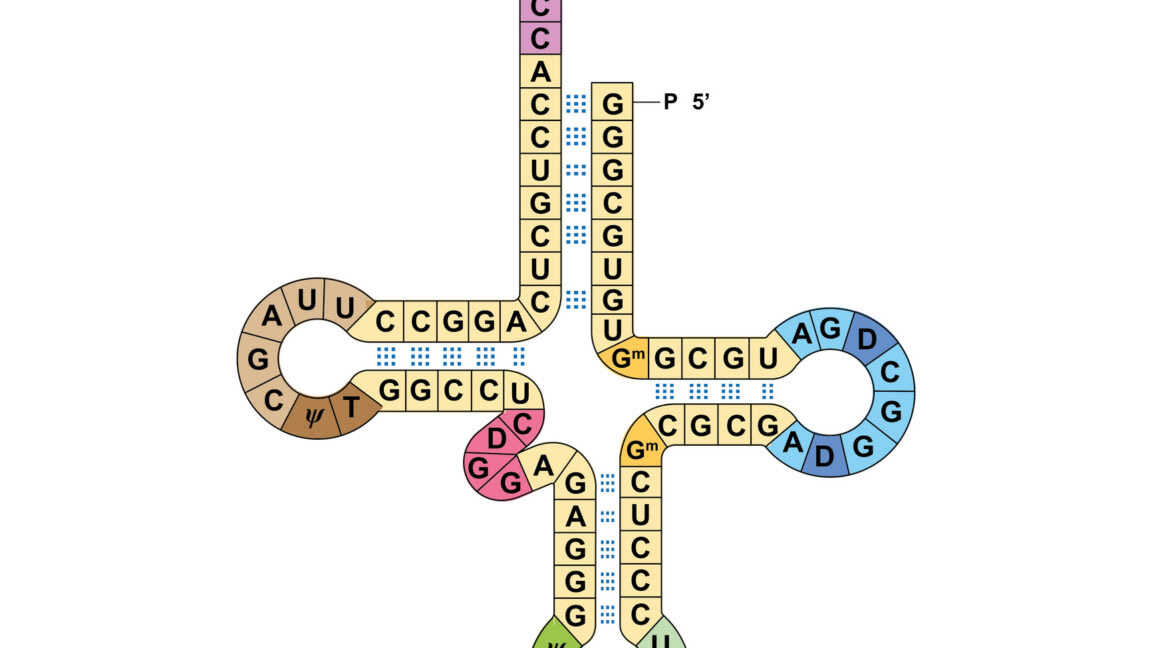
Researchers have achieved a breakthrough by enabling two separate genetic codes to operate simultaneously within a single cell. This development significantly simplifies the process of synthetic biology by bypassing the need for exhaustive genome re-engineering.
A Breakthrough in Synthetic Biology: Operating Dual Genetic Codes
The fundamental language of life, the genetic code, has long been viewed as a rigid, universal framework. Conserved across nearly every living organism on Earth, this code dictates how DNA sequences are translated into the proteins essential for biological function. Because cellular machinery is deeply integrated with this process, altering the genetic code has historically been considered a nearly impossible task, often requiring the painstaking, manual re-engineering of every single gene within an organism's genome.
The Historical Challenge of Genetic Modification
For decades, synthetic biologists have sought to expand the building blocks of life, specifically by introducing non-canonical amino acids. Previous efforts in this field were notoriously difficult and inefficient. Scientists had to navigate the 'slog' of rewriting entire bacterial genomes to accommodate even minor changes in protein synthesis. This level of manipulation was not only labor-intensive but also prone to failure, as the cell's natural systems often rejected or failed to recognize the synthetic instructions provided by researchers.
Breaking the Universal Constraint
Recent advancements have fundamentally shifted this paradigm. Researchers have successfully demonstrated a method to operate two separate genetic codes simultaneously within a single bacterial cell. By enabling the cell to process two distinct sets of instructions at once, scientists have cleared a massive hurdle in synthetic biology. This achievement suggests that the 'universal' nature of the genetic code is more flexible than previously imagined, allowing for a hybrid system where natural and synthetic processes coexist.
Bypassing Massive Genome Re-engineering
The most significant implication of this discovery is the elimination of the need for exhaustive, genome-wide re-engineering. By finding a way to run these codes in tandem, researchers avoid the catastrophic risks associated with modifying the entire genetic sequence of an organism. This makes the creation of novel proteins, potentially with unique chemical properties or therapeutic applications, significantly more accessible and less prone to systemic cellular collapse.
Future Implications and Scientific Trajectory
While this research is still in its preliminary stages, the ability to support dual coding systems opens the door for complex 'bio-manufacturing.' If cells can be programmed to read two different codes, they could theoretically produce materials that are impossible for current natural biology to synthesize. This could lead to breakthroughs in medicine, such as the production of highly specific drugs, or in material science, by creating biodegradable polymers with engineered physical properties.
Conclusion: A New Era for Biotechnology
This milestone marks a transition from the 'editing' phase of synthetic biology to an 'expansion' phase. By proving that life can support multiple, simultaneous genetic languages, researchers have provided the tools to build more complex biological machines. As this technology matures, it will likely lead to safer, faster, and more efficient methods for manipulating cellular behavior, fundamentally changing how we approach the design of biological systems.