Why Manik Kaur’s Everyday Etiquette: The Art of Mindful Living is really about becoming more human
Source Entity
Suvir Saran
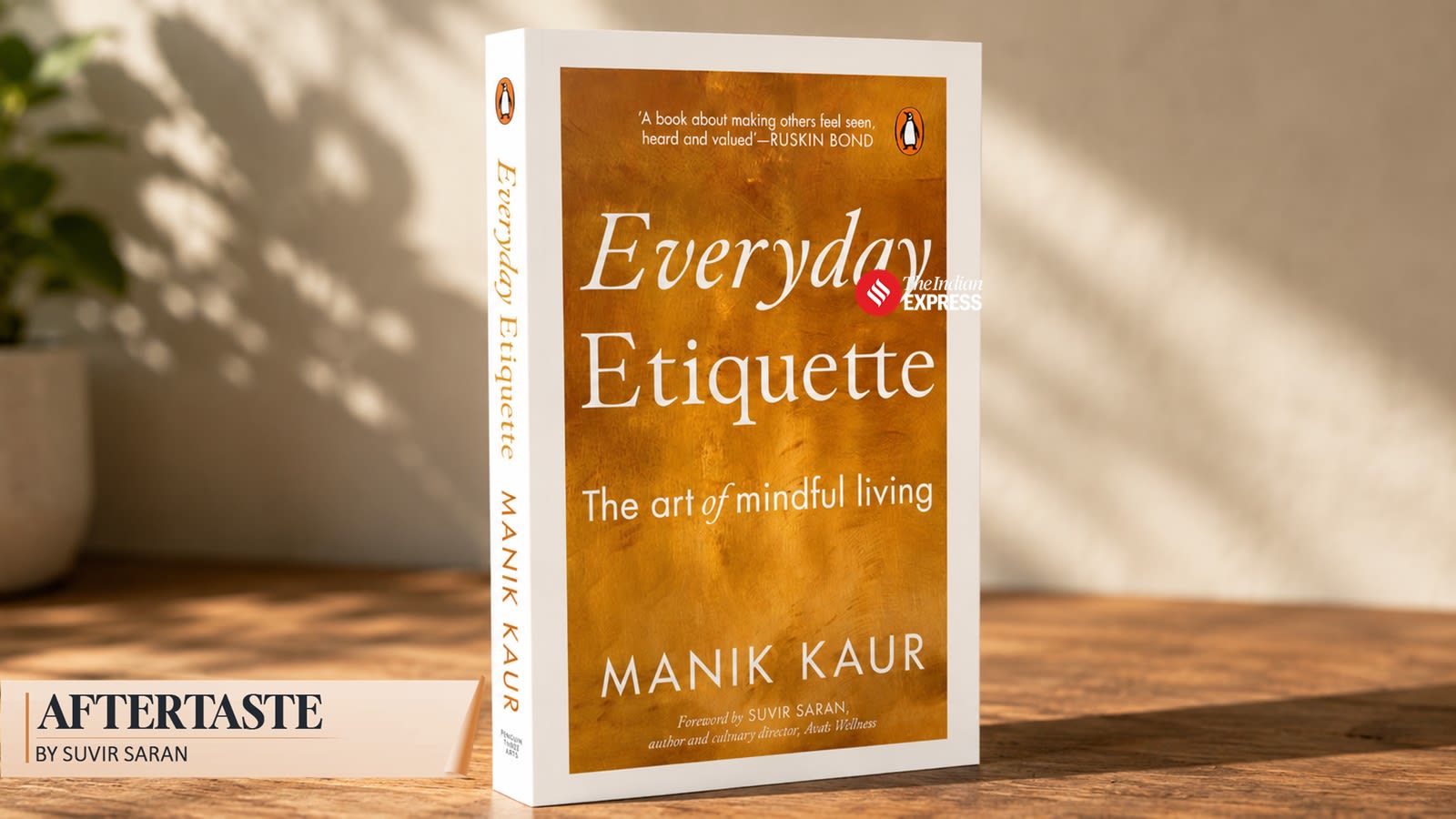
Manik Kaur's book 'Everyday Etiquette: The Art of Mindful Living' reframes etiquette as a tool for empathy and human connection. The work emphasizes hospitality and acknowledgment over rigid social rules.
Redefining Etiquette: Beyond the Silverware
Manik Kaur’s Everyday Etiquette: The Art of Mindful Living marks a significant departure from traditional, rule-bound manuals that have historically dictated social graces. By shifting the focus away from the technicalities of table settings, such as napkin folding or the precise placement of dessert spoons, Kaur reclaims etiquette as a practice of mindfulness and human empathy. The core premise suggests that true etiquette is not a performative act of social signaling, but a genuine effort to make others feel seen, heard, and welcomed.
The Roots of Hospitality
The author’s formative experiences at Modern School, Vasant Vihar, provide a compelling backdrop for this philosophy. As the first boy to enroll in a meal planning course, Kaur found himself in an environment dominated by women teachers who viewed hospitality as a professional and personal art form. This historical context illustrates that hospitality, at its best, transcends gendered domesticity; it is a fundamental human skill centered on creating an atmosphere of comfort and inclusion for guests, rather than merely adhering to culinary or decorative standards.
The Evolution of Social Grace
Moving from a school setting in India to the cultural landscape of New York, the author’s journey highlights the universality of social norms. The inclusion of classic texts like Emily Post’s Etiquette serves as a bridge between historical expectations and modern application. By engaging with these foundational texts through a contemporary lens, the narrative underscores that etiquette is an evolving language. While the tools of the past remain, their purpose has shifted from maintaining class distinctions to fostering authentic interpersonal connection.
The Human Element in Modern Living
In an era dominated by digital communication and increasing social isolation, the emphasis on direct human acknowledgment—such as the simple act of looking someone in the eye—is particularly relevant. Kaur posits that etiquette is essentially the practice of becoming 'more human.' This perspective challenges readers to view every social interaction as an opportunity to validate another person's presence, moving beyond the superficiality of 'manners' to reach the core of social intelligence.
Implications for Future Interaction
Looking forward, the trends in social literature suggest a move toward 'mindful living' as a counter-balance to technological burnout. By framing etiquette as a tool for mindfulness, Kaur aligns with broader cultural shifts that prioritize mental well-being and genuine community building. This approach suggests that the future of social etiquette lies not in stricter protocols, but in the intentionality we bring to our daily interactions, ultimately prioritizing the emotional health of our social circles over the rigid adherence to tradition.