"Unprecedented Disaster, Relief Ops On": Nepal PM On Flash Floods
Source Entity
NDTV News Search Records Found 1000
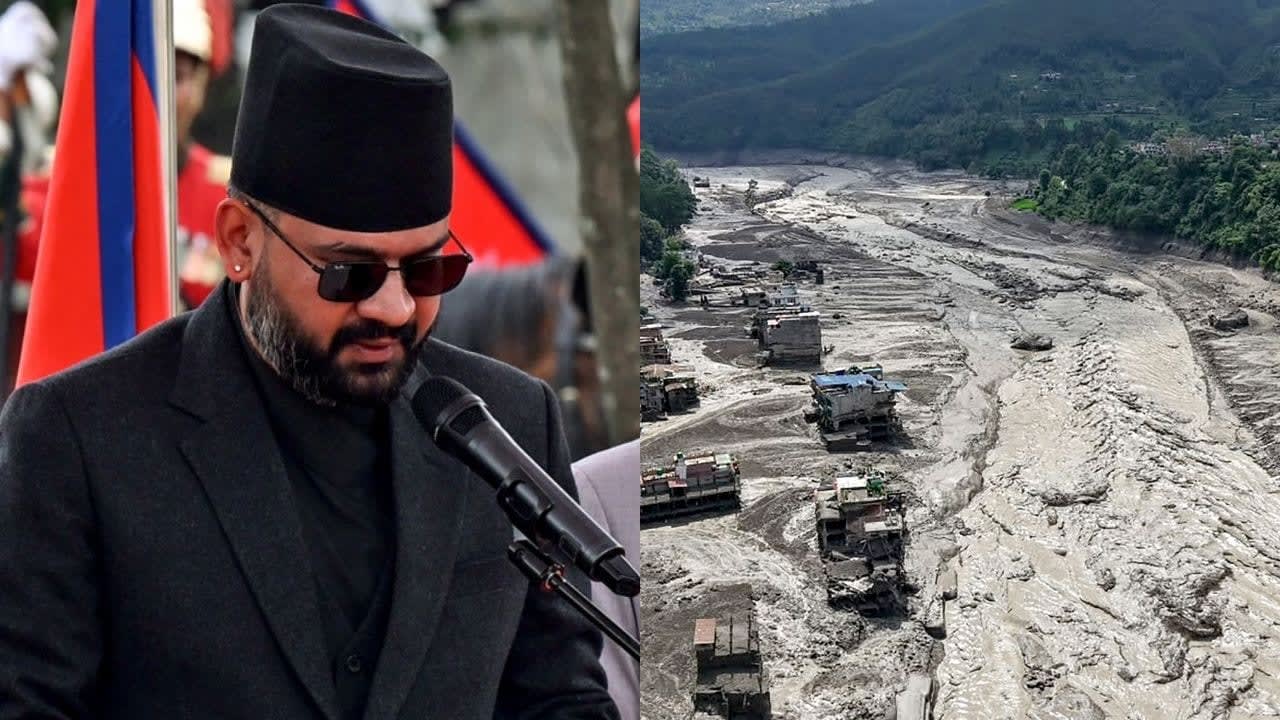
Northern India faces a dual crisis with flash floods from Nepal threatening border states and communal tension rising in Rae Bareli following the desecration of an Ambedkar statue. Authorities are currently managing flood alerts in UP and Bihar while deploying police to maintain order in the affected village.
Crisis Management in Northern India: Floods and Social Unrest
Cross-Border Flood Risks
Northern India is currently grappling with a significant environmental threat as flash floods, originating approximately 200 km north of the Indian border in Nepal, have triggered high-alert protocols across Uttar Pradesh, Bihar, and Uttarakhand. The disaster, which has resulted in dozens of fatalities and left nearly 400 tourists—including 105 Indian nationals—missing, underscores the vulnerability of mountain valley regions to sudden climate-induced events. The situation is exacerbated by heavy rainfall and the necessary opening of barrage gates in Nepal, which directly impacts the water levels of the Ghaghara, Rapti, Gandak, and Kosi rivers.
Hydrological Implications
The hydrological connectivity between Nepal and the Indian plains remains a critical factor in disaster mitigation. The Trishuli river, which absorbs the flow of the Bhote Koshi originating from Tibet, eventually feeds into the Gandak river system. Consequently, the surge in these water bodies poses a direct inundation risk to low-lying areas in Uttar Pradesh and northern Bihar. As water levels rise, the downstream impact necessitates constant monitoring and coordination between cross-border authorities to manage barrage discharge and prevent catastrophic flooding in rural settlements.
Social Instability in Rae Bareli
Parallel to the natural disaster, internal security concerns have emerged in the Rae Bareli district of Uttar Pradesh. On August 25, 2026, the Baburiha village experienced significant social tension following the desecration of a statue of Dr. B.R. Ambedkar. The act of smearing mud and soot on the statue by unknown miscreants triggered immediate public outcry, reflecting the deep cultural and political significance the figurehead holds in the region. The incident highlights the fragility of communal harmony when symbolic icons are targeted.
Law Enforcement and Community Response
In response to the unrest in Baburiha, local law enforcement acted with urgency to prevent the situation from escalating. The Additional Superintendent of Police (ASP) and the Circle Officer (CO) of Unchahar arrived on-site to facilitate dialogue with the aggrieved villagers. By assuring the public of a swift and transparent investigation, the police successfully de-escalated the immediate anger. The deployment of security forces serves as a necessary precautionary measure to maintain order while the investigation into the perpetrators continues.
Broader Implications and Future Outlook
The convergence of these events—one a large-scale environmental emergency and the other a localized social flashpoint—tests the administrative capacity of state machinery in Northern India. Looking forward, the management of transboundary river systems will remain a key challenge for climate resilience, requiring sophisticated early warning systems. Simultaneously, the protection of public monuments and the prevention of hate-driven vandalism will require continued vigilance from local authorities to ensure that social cohesion is not disrupted by criminal elements exploiting the cover of darkness.
Multiple Citing Sources
Verification Required?