How A Love Story Exposed Key Maharashtra Exam Paper Leak
Source Entity
NDTV News Search Records Found 1000
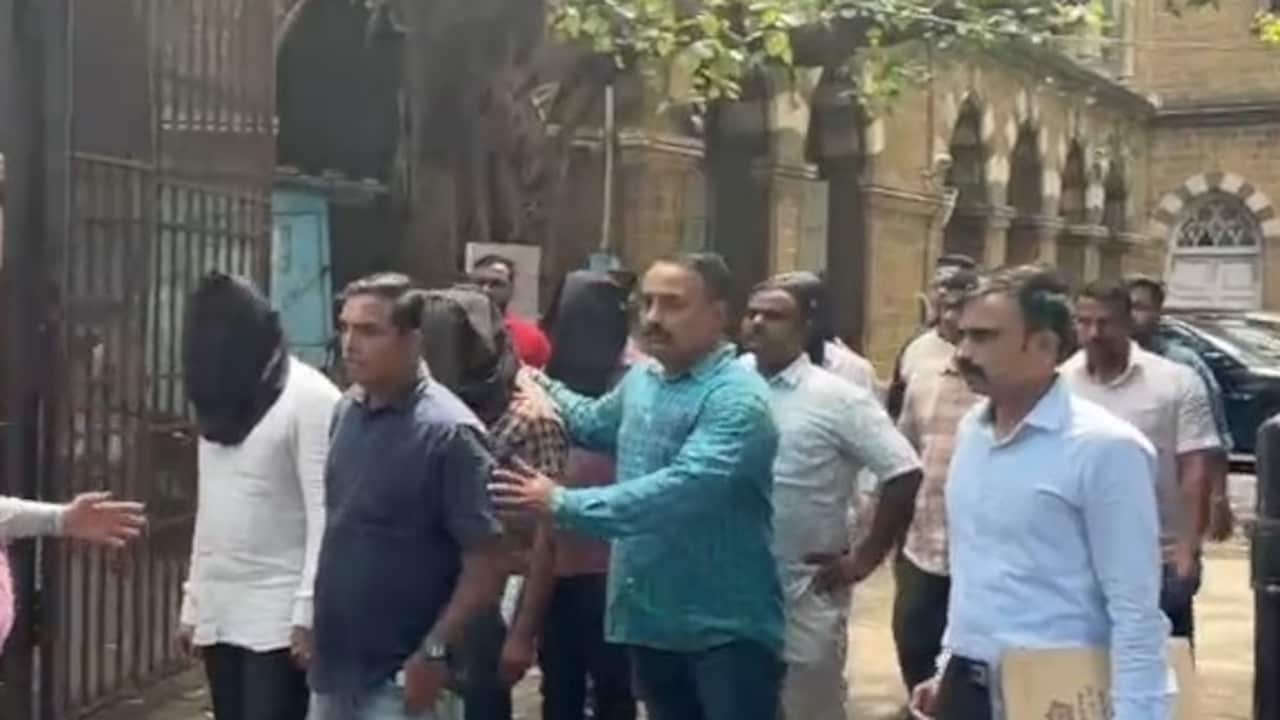
The MPSC has cancelled the Drug Inspector recruitment process following a confirmed paper leak discovered during a police inquiry. This decision impacts 488 candidates who had already completed interviews, highlighting persistent systemic challenges in examination integrity.
MPSC Recruitment Cancellation: A Crisis of Integrity
The Maharashtra Public Service Commission (MPSC) has officially cancelled the recruitment process for Drug Inspector (Group-B) positions within the Food and Drug Administration. This drastic measure follows a preliminary police inquiry that confirmed the leakage of the examination paper prior to the screening test held on March 22, 2026. This development marks a significant setback for the administrative process, nullifying the efforts of hundreds of candidates who had navigated the rigorous selection stages.
The Scale of the Disruption
Following the screening examination conducted across six divisional headquarters in Maharashtra, the selection process had progressed significantly. By June 12, 2026, 506 candidates were deemed qualified for the interview phase. Between July 1 and July 22, the commission successfully conducted interviews for 488 of these individuals. The subsequent publication of a provisional general merit list, which categorized 485 candidates as eligible and 488 as ineligible, represented the final steps before official appointments. The cancellation effectively erases this entire timeline, forcing the commission to restart the selection cycle.
Patterns of Malpractice in Maharashtra
The cancellation of the Drug Inspector recruitment is not an isolated event but rather part of a broader, recurring pattern of examination security failures in the state. The context of this incident is mirrored by the ongoing Teacher Eligibility Test (TET) paper leak case. In that instance, investigations revealed that perpetrators had resorted to extreme measures, such as hiding exam papers in their shoes to facilitate leaks for as little as 8,000 rupees. The government’s recent decision to appoint a Special Public Prosecutor for the TET case underscores the severity with which officials are now forced to treat these security breaches.
Legal Recourse and Fast-Track Justice
In response to the growing public outcry regarding examination integrity—a concern that gained national prominence following the NEET controversy—the government is shifting toward a more aggressive judicial strategy. The TET case is being moved to a Bhiwandi court, which has been designated as a special fast-track trial court specifically for handling examination malpractice. This aligns with a broader mandate, as announced by Prime Minister Narendra Modi, to establish specialized courts to expedite the prosecution of individuals involved in compromising the sanctity of public examinations.
Broader Implications for Governance
The repeated cancellation of major recruitment drives highlights a profound systemic vulnerability. When examination papers are leaked, it does more than just delay a hiring process; it erodes public trust in the meritocratic foundations of government service. For the 488 candidates who completed their interviews, the cancellation represents a loss of time, resources, and opportunity. As the state moves to prosecute these cases through fast-track channels, the primary challenge remains the implementation of robust, leak-proof protocols that can withstand the ingenuity of those seeking to exploit the system for financial gain.
Conclusion
While the MPSC’s decision to cancel the recruitment is a necessary step to uphold the integrity of the selection process, it serves as a stark reminder of the challenges facing public recruitment in India. The transition toward fast-track courts for exam-related crimes is a critical step, but long-term stability will require comprehensive technological and procedural reforms. Moving forward, the focus must shift from reactive cancellations to proactive security measures that ensure the sanctity of every examination cycle.
Multiple Citing Sources
Verification Required?