Nepal flash floods: India sends second tranche of relief supplies
Source Entity
India Latest News: Top National Headlines Today & Breaking News | The Hindu
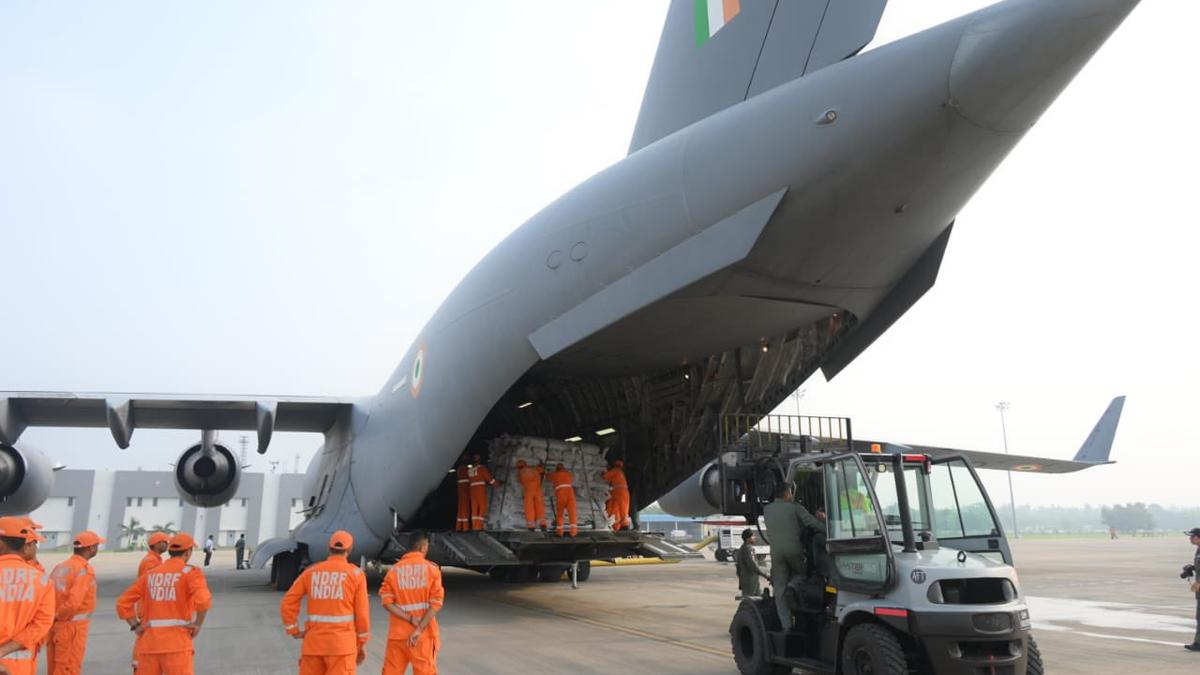
Prime Minister Narendra Modi has pledged humanitarian aid to Nepal following devastating flash floods in the Rasuwa district that left 400 people missing. India has already mobilized relief efforts, including the dispatch of 10 tonnes of emergency supplies via the Indian Air Force.
Humanitarian Crisis in Nepal: India Mobilizes Rapid Response
The catastrophic flash floods in Nepal’s Rasuwa district, triggered by an outburst in the Bhotekoshi River, have created a dire humanitarian crisis. With at least 400 individuals reported missing, the scale of the disaster is profound, particularly given the mountainous and rugged terrain of the region bordering Tibet. The destruction of villages and critical infrastructure has left local authorities struggling to conduct search and rescue operations, necessitating immediate international intervention.
India’s Diplomatic and Operational Response
In a swift demonstration of regional solidarity, Prime Minister Narendra Modi engaged in direct communication with Nepal’s Prime Minister Balendra Shah. During this dialogue, PM Modi conveyed deep condolences for the loss of life and pledged India’s full support. This diplomatic outreach was rapidly followed by tangible action: the Indian Air Force (IAF) deployed an aircraft carrying approximately 10 tonnes of essential relief materials, including vital medicines, to assist in the stabilization of the affected areas.
The Vulnerability of Transboundary Geography
The Bhotekoshi River outburst highlights the acute vulnerability of the Himalayan region to sudden hydrological events. As these rivers traverse borders, the environmental impact is inherently transnational. The devastation observed in Rasuwa—where homes were left partially submerged in mud-laden floodwaters—serves as a stark reminder of how climate-related disasters in the Himalayas can rapidly overwhelm local infrastructure, requiring a coordinated, cross-border emergency management strategy.
Impact on Kailash Manasarovar Pilgrims
A significant concern in the current crisis is the status of missing travelers. Reports indicate that among the 400 missing, 105 are Indian nationals, many of whom were en route to the Kailash Manasarovar Yatra in Tibet. The pilgrimage route is notoriously difficult, and the destruction of infrastructure along this corridor exacerbates the challenge of locating and evacuating those stranded in the wake of the deluge.
Broader Geopolitical and Regional Implications
India’s proactive stance in providing aid underscores the 'Neighborhood First' policy, emphasizing that bilateral ties are significantly strengthened during humanitarian emergencies. By coordinating relief teams and airlifting supplies, India is not only fulfilling a moral obligation to a neighbor but also reinforcing its role as a regional first responder. This collaborative approach between New Delhi and Kathmandu is essential for effective disaster risk reduction in the fragile ecosystem of the Himalayas.
Conclusion and Future Outlook
As search and rescue operations continue, the focus remains on locating the missing and preventing further loss of life. The partnership between India and Nepal in this crisis demonstrates the importance of pre-positioned disaster response frameworks. Moving forward, both nations will likely need to enhance early warning systems and infrastructure resilience to mitigate the impact of future glacial lake outbursts and flash floods in this high-altitude, disaster-prone region.
Multiple Citing Sources
Verification Required?