Iran, Oman discuss shipping corridor in Strait of Hormuz | What we know of the talks
Source Entity
Latest News: Todays Latest News Headlines from India & World | Hindustan Times | Hindustan Times
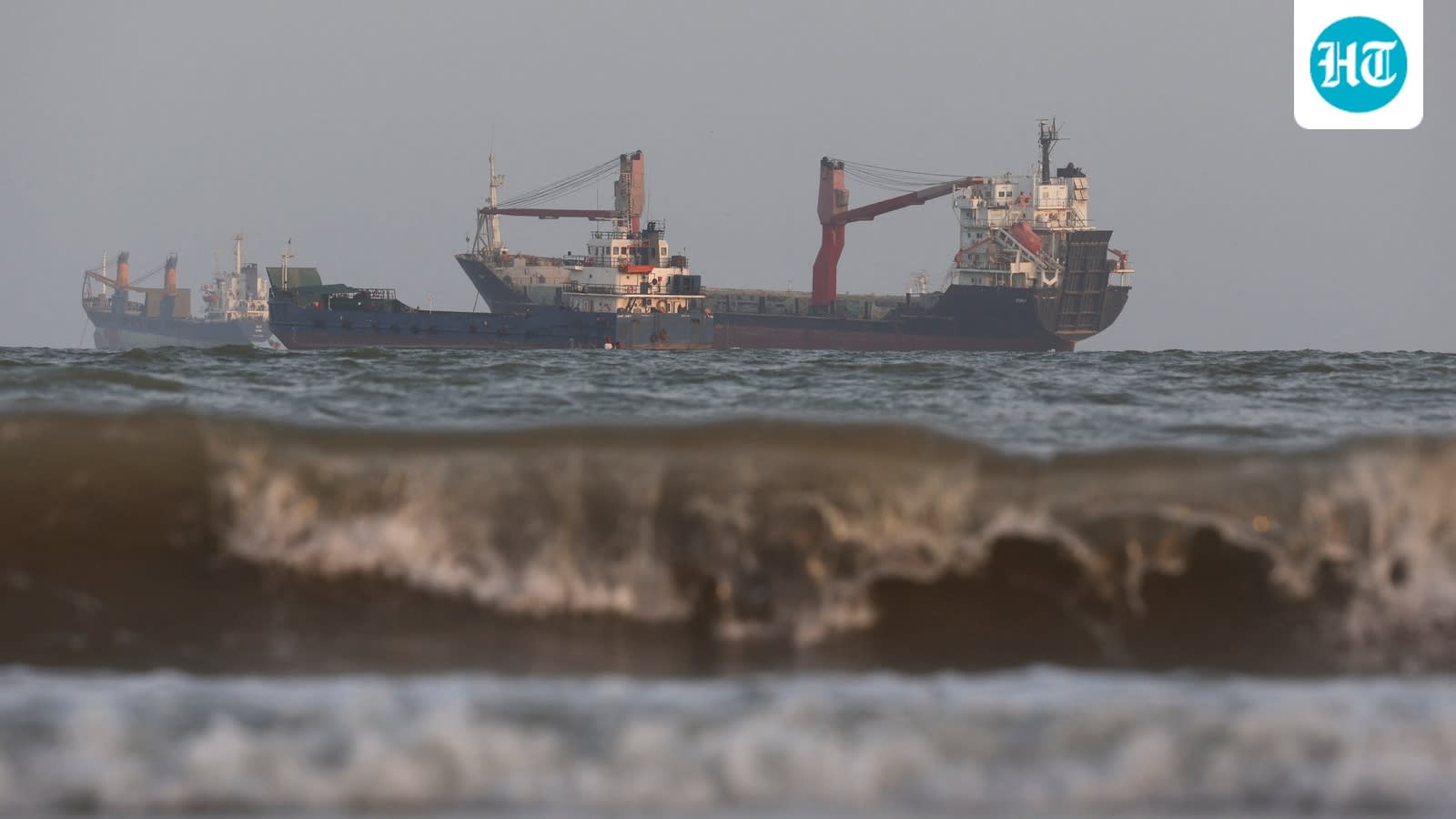
Qatar's Prime Minister is visiting Tehran to mediate between Iran and the US as the six-month conflict continues. Simultaneously, Iran and Oman are negotiating the potential reopening of the strategically vital Strait of Hormuz.
Diplomatic Maneuvering Amidst Heightened Regional Tensions
As the ongoing Middle East conflict approaches its six-month milestone, diplomatic efforts are intensifying to address the persistent deadlock between Iran and the United States. Qatar's Prime Minister is scheduled to travel to Tehran this Thursday, marking a critical attempt by Doha to bridge the divide between the two powers. Qatar has historically occupied a unique geopolitical position, serving as a vital US ally while maintaining stable, neighboring ties with Iran. This dual-alignment has previously allowed Doha to function as a crucial channel for communication, most notably in facilitating the June ceasefire that halted major combat operations.
The Strategic Importance of the Strait of Hormuz
At the heart of the current diplomatic friction lies the Strait of Hormuz, a narrow yet globally significant waterway between Iran and Oman. Since the onset of the conflict in late February, following US-Israeli actions, the strait has been effectively blockaded by Tehran, paralyzed by the presence of mines and military posturing. The waterway is an indispensable artery for international energy markets, as a massive share of the world's oil supplies typically traverses this route. The inability of the international community to secure this corridor remains one of the most significant unresolved issues in the current geopolitical crisis.
Regional Mediation: The Role of Oman
Parallel to Qatar's mediation efforts, Iran and Oman are engaged in direct negotiations regarding the potential reopening of a temporary shipping corridor. Because both nations border the strait, their cooperation is essential for any maritime de-escalation. These discussions involve complex logistical hurdles, specifically the clearance of mines that currently render the passage unsafe for commercial shipping. While these talks are ongoing, both sides have yet to reach a definitive agreement on the specific terms and conditions required to resume normal traffic.
Challenges to a Lasting Settlement
Despite the cessation of major, large-scale fighting, the region remains in a precarious state of 'no war, no peace.' The primary obstacle to a lasting diplomatic settlement is the intensifying economic pressure exerted by Washington on Tehran. This economic strain acts as a catalyst for Iran's continued control over the strait, which it utilizes as leverage against the US and its regional interests. The lack of progress toward a comprehensive agreement suggests that both sides remain deeply entrenched in their respective strategic objectives.
Future Implications for Global Energy
Looking forward, the success of the current diplomatic missions—led by Qatar and the bilateral talks between Iran and Oman—will dictate the stability of global energy prices and regional security. Should these efforts fail to produce a secure, de-mined corridor, the continued closure of the Strait of Hormuz risks further destabilizing global markets. The international community is closely watching these negotiations, as any breakthrough regarding the shipping corridor would serve as a vital indicator of whether a broader, more permanent de-escalation is possible in the coming months.
Multiple Citing Sources
Verification Required?