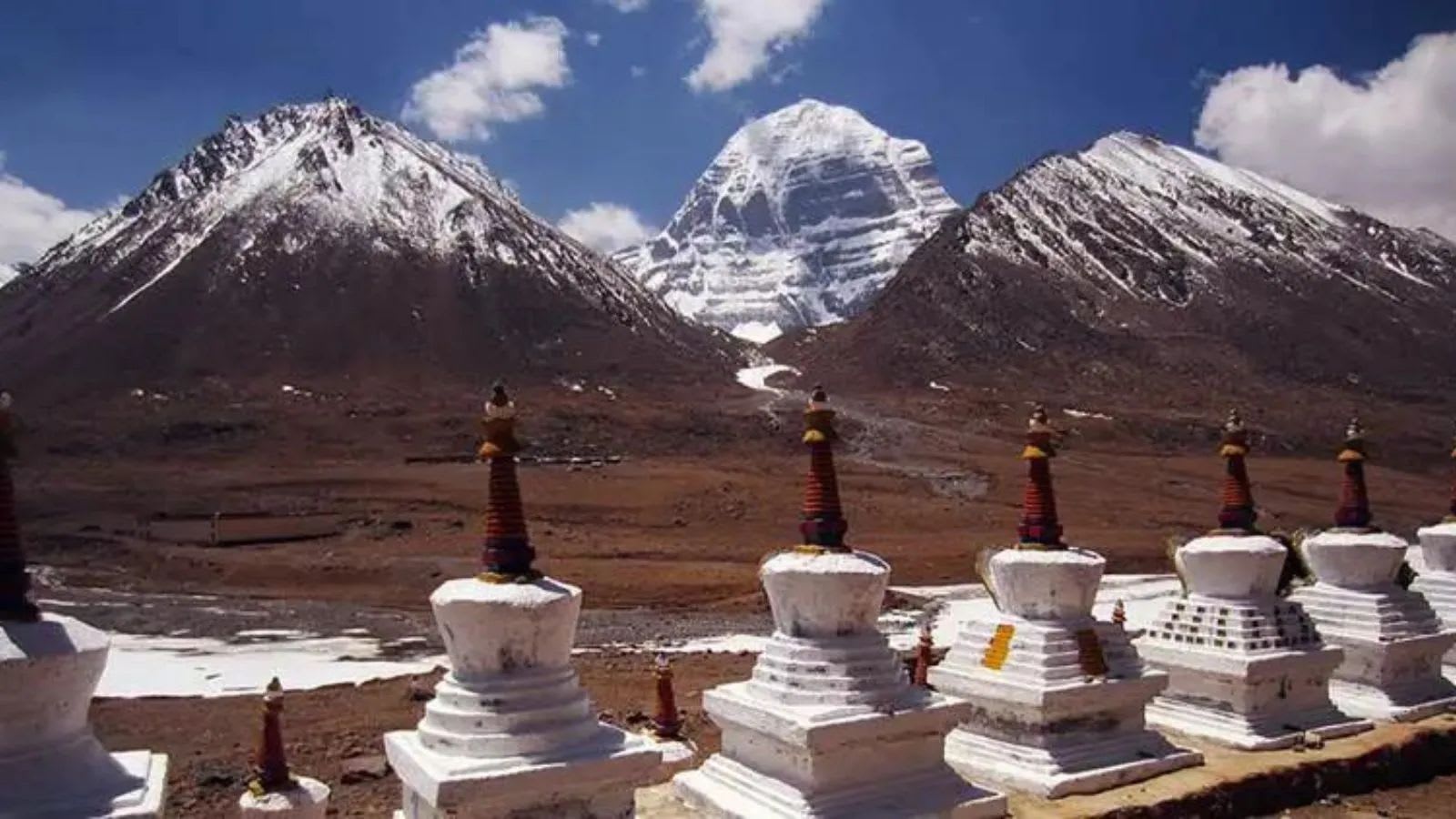
Indians stranded on Rasuwa route to Kailash Mansarovar. Why tourists prefer this route
Source Entity
Divya A
Recent events highlight urgent concerns in India, including flash flood alerts in Uttar Pradesh and Bihar following heavy rains in Nepal, and communal tensions in Raebareli after the desecration of an Ambedkar statue. Authorities are actively managing both the hydrological risks and the local law and order situation.
Regional Developments: Environmental Risks and Social Tensions
Flash Flood Threats Across the Indo-Nepal Border
Northern India is currently facing a critical hydrological situation as flash floods in Nepal have triggered high-alert protocols across the border districts of Uttar Pradesh, Bihar, and Uttarakhand. The disaster, which occurred approximately 200 km north of the Indian border, has already resulted in significant loss of life and a high number of missing persons, including over 100 Indian tourists. The geographical connectivity of the river systems, particularly the Trishuli, Bhote Koshi, and Gandak, means that meteorological events in the Himalayan region have immediate and dangerous consequences for downstream Indian populations.
The Mechanics of Potential Inundation
The primary concern for disaster management authorities is the surge in water levels for the Ghaghara, Rapti, and Kosi rivers. The situation is further complicated by the necessary opening of barrage gates in Nepal to manage excess water volume. As the Trishuli river carries the discharge from the Bhote Koshi—which originates in Tibet—into the Gandak and Narayani systems, the potential for rapid, unpredictable flooding in northern Bihar and Uttar Pradesh remains extremely high. Experts emphasize that the convergence of heavy rainfall and controlled water releases creates a volatile environment for riverine communities.
Social Unrest in Raebareli
Simultaneously, the social fabric in the Baburiha village of Raebareli, Uttar Pradesh, has been strained following the discovery of a defaced statue of Dr. B.R. Ambedkar on August 25, 2026. The act of smearing mud and soot on the statue has sparked significant public indignation among local residents and followers of Dr. Ambedkar. Such incidents often serve as flashpoints for communal or social friction, necessitating immediate intervention from law enforcement to prevent the escalation of local grievances into wider unrest.
Law Enforcement Response and Public Order
In response to the tension in Raebareli, the district administration and police, led by the Additional Superintendent of Police and the Circle Officer of Unchahar, moved quickly to restore calm. By engaging directly with the aggrieved villagers and promising a transparent, swift investigation, the authorities have managed to stabilize the immediate situation. The deployment of police forces as a precautionary measure highlights the administration's commitment to maintaining order and preventing further acts of vandalism.
Broader Implications and Future Outlook
These dual crises—one environmental and one social—demonstrate the multifaceted challenges facing administrative bodies in India. The flooding scenario underscores the urgent need for robust cross-border water management and early warning systems between India and Nepal to mitigate future casualties. Meanwhile, the incident in Raebareli reflects a persistent need for social harmony and the protection of public icons to ensure community stability. Moving forward, the effectiveness of the government’s response to these events will likely serve as a benchmark for crisis management in the region.
Multiple Citing Sources