Nepal floods: Nearly 300 Indians missing; MEA sets up special control room
Source Entity
ROHITASHWA RANJAN
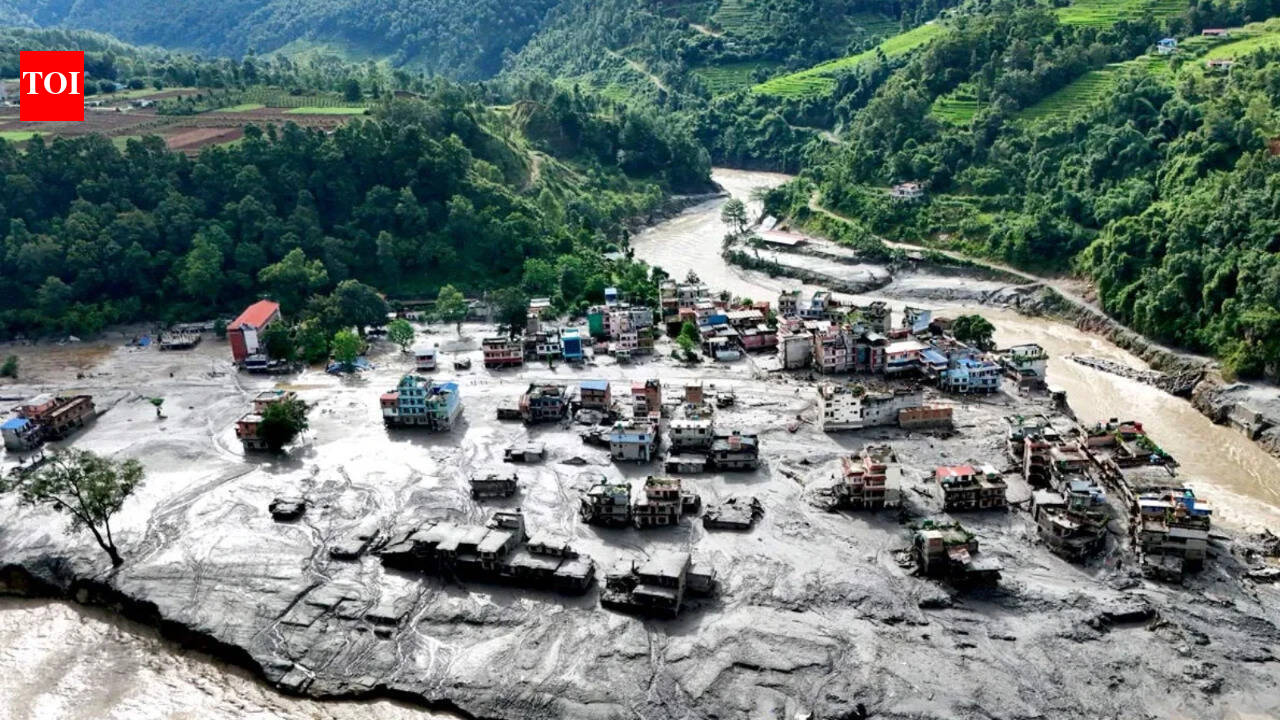
Northern India faces a dual crisis involving high-alert flood risks from Nepal-originating rivers and communal tension in Rae Bareli following the desecration of an Ambedkar statue. Authorities are currently managing disaster preparedness in border states and maintaining law and order in the affected village.
Regional Instability: Environmental and Social Challenges in Northern India
The Looming Threat of Flash Floods
Northern India is currently grappling with a severe environmental challenge as flash floods in Nepal have triggered high-alert warnings across the bordering states of Uttar Pradesh, Bihar, and Uttarakhand. The disaster, which originated approximately 200 km north of the Indian border, has already claimed dozens of lives and left nearly 400 tourists—including 105 Indian nationals—missing. The meteorological and hydrological impact is significant, as the surge in the Trishuli and Bhote Koshi rivers flows directly into the Gandak and Narayani systems.
Hydrological Implications and Cross-Border Water Management
The situation is exacerbated by heavy rainfall and the necessary opening of barrage gates in Nepal, which directly influences water levels in the Ghaghara, Rapti, and Kosi rivers. This cross-border water flow highlights the historical and geographical interconnectedness of the Himalayan river basins. As these waterways traverse from the mountains into the plains of North India, the potential for rapid water level rises necessitates constant coordination between Indian state authorities and their Nepalese counterparts to mitigate damage to agricultural land and human settlements.
Communal Tension in Rae Bareli
Simultaneously, social stability in the Baburiha village of the Rae Bareli district has been tested by the desecration of a statue of Dr. B.R. Ambedkar. On the night of August 25, 2026, unknown miscreants smeared mud and soot on the statue, an act that has provoked widespread anger among local residents and followers of the social reformer. This incident underscores the ongoing sensitivity regarding historical and political symbols in local Indian politics, where such acts often serve as flashpoints for community frustration.
Law Enforcement Response and Public Order
In response to the vandalism, the local administration acted swiftly to prevent an escalation of unrest. Officials, including the Additional Superintendent of Police and the Circle Officer of Unchahar, arrived at the scene to engage with the aggrieved villagers. By offering assurances of a thorough investigation and the identification of the culprits, the police have managed to bring the immediate situation under control. The deployment of security forces in the village serves as a precautionary measure to maintain peace while the investigation proceeds.
Broader Implications and Future Outlook
The convergence of these two events—a natural disaster threatening the safety of thousands and a localized act of vandalism—highlights the multifaceted responsibilities of state authorities in Uttar Pradesh and Bihar. While the flood situation demands long-term infrastructure investment and enhanced early-warning systems for trans-boundary water management, the social unrest requires a focus on community cohesion and the protection of public monuments. Moving forward, the resilience of these regions will depend on both the effectiveness of disaster mitigation strategies and the ability of law enforcement to address social grievances transparently.
Multiple Citing Sources