Born after 7 years: Why Sikkim’s Red Panda cubs Numa and Nuba matter
Source Entity
The Indian Express
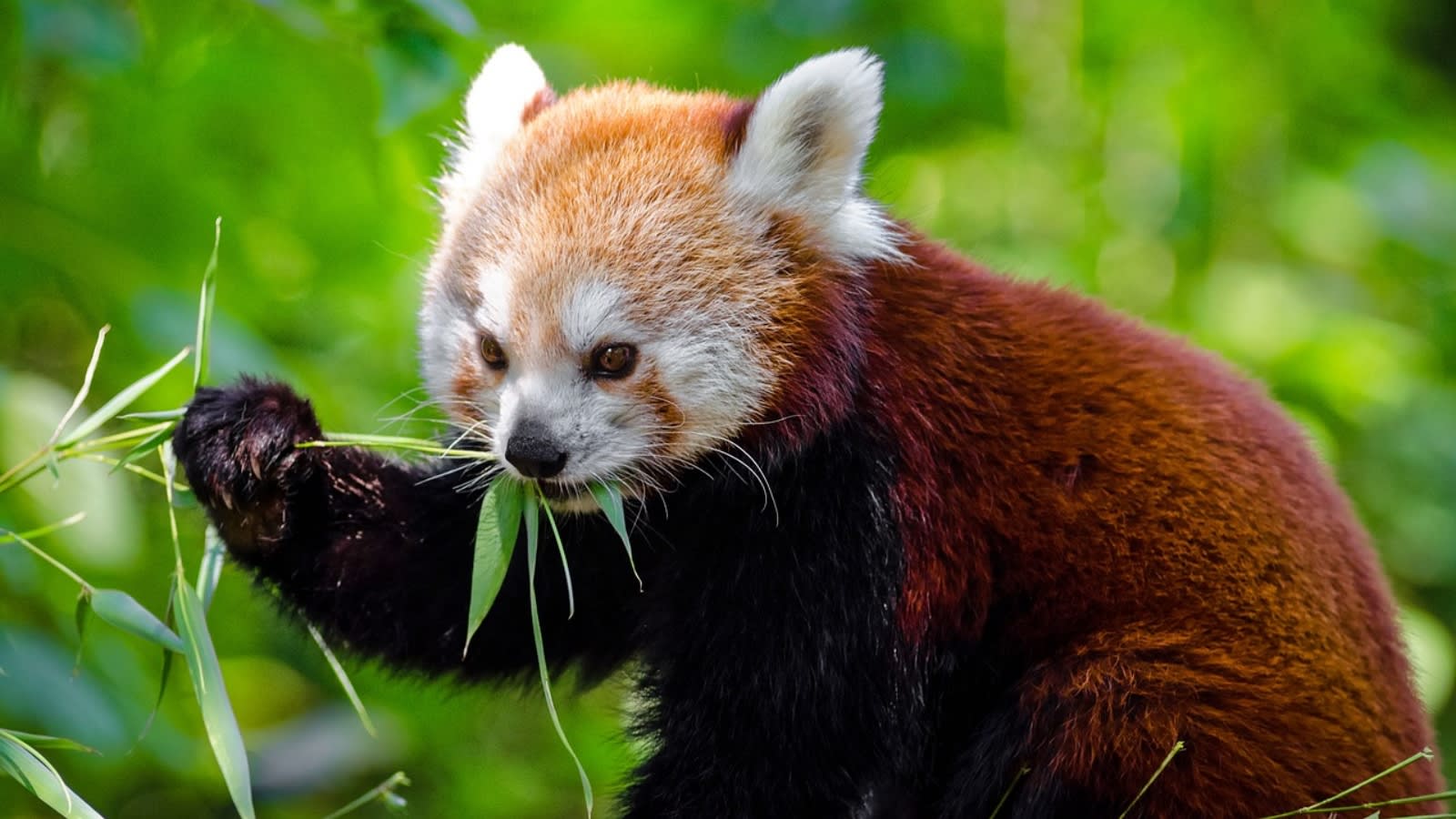
The birth of red panda cubs Numa and Nuba at Sikkim’s Himalayan Zoological Park marks a major conservation milestone after a seven-year drought. This success revitalizes the park's breeding program, which works to restore populations devastated by canine distemper.
A Milestone for Himalayan Biodiversity
The birth of two red panda cubs, Numa and Nuba, at the Himalayan Zoological Park in Gangtok, Sikkim, represents a significant victory for wildlife conservation. Arriving on June 15, 2025, to parents Lucky-II and Mirak, these cubs signify the first successful births in seven years. This event is not merely a local success story but a critical turning point for the species in a region where environmental pressures and disease have historically hampered captive breeding efforts.
Overcoming the Shadow of Canine Distemper
The seven-year gap in successful births was not a result of inactivity but rather the consequence of severe biological setbacks. The park’s red panda population had previously been decimated by two outbreaks of canine distemper, a highly contagious and lethal viral disease. The survival and healthy growth of Numa and Nuba demonstrate the effectiveness of the park's improved veterinary protocols and biosecurity measures implemented to shield vulnerable populations from such pathogens in the future.
The Role of Managed Breeding Programs
This success is deeply rooted in a long-term commitment to conservation, specifically the park’s breeding programme that has been operational since 1997. By utilizing rigorous scientific management, the park ensures that individual animals are tracked through national and international studbooks. This systematic approach is vital for maintaining genetic diversity, preventing inbreeding, and ensuring that the captive population remains a viable genetic reservoir for the species.
Genetic Diversity and Future Resilience
Maintaining genetic health is the cornerstone of any successful reintroduction or conservation strategy. By carefully monitoring the lineage of Numa and Nuba, researchers can ensure that these cubs contribute positively to the overall health of the species. This data-driven methodology allows the Himalayan Zoological Park to align its efforts with global standards for zoo-based conservation, ensuring that the red panda remains a flagship species for the Eastern Himalayas.
Broader Implications for Wildlife Conservation
The successful birth of these cubs serves as a beacon of hope for other endangered species facing similar threats from habitat fragmentation and disease. As these cubs grow, they become symbols of the resilience required to manage small, isolated populations. The dedication shown by the staff at the Himalayan Zoological Park highlights the necessity of long-term funding and expert care in preventing the extinction of iconic mountain fauna.
Conclusion: A Path Forward
In summary, the arrival of Numa and Nuba is a triumph of persistence over adversity. By overcoming the legacy of canine distemper and upholding the standards of the international studbook, Sikkim has reinforced its role as a guardian of biodiversity. Moving forward, the continued monitoring of these cubs will provide invaluable data, helping to secure a future where the red panda can thrive both in captive settings and, eventually, in restored wild habitats.