Why the monsoon is one of the best times to explore India’s forests
Source Entity
India Latest News: Top National Headlines Today & Breaking News | The Hindu
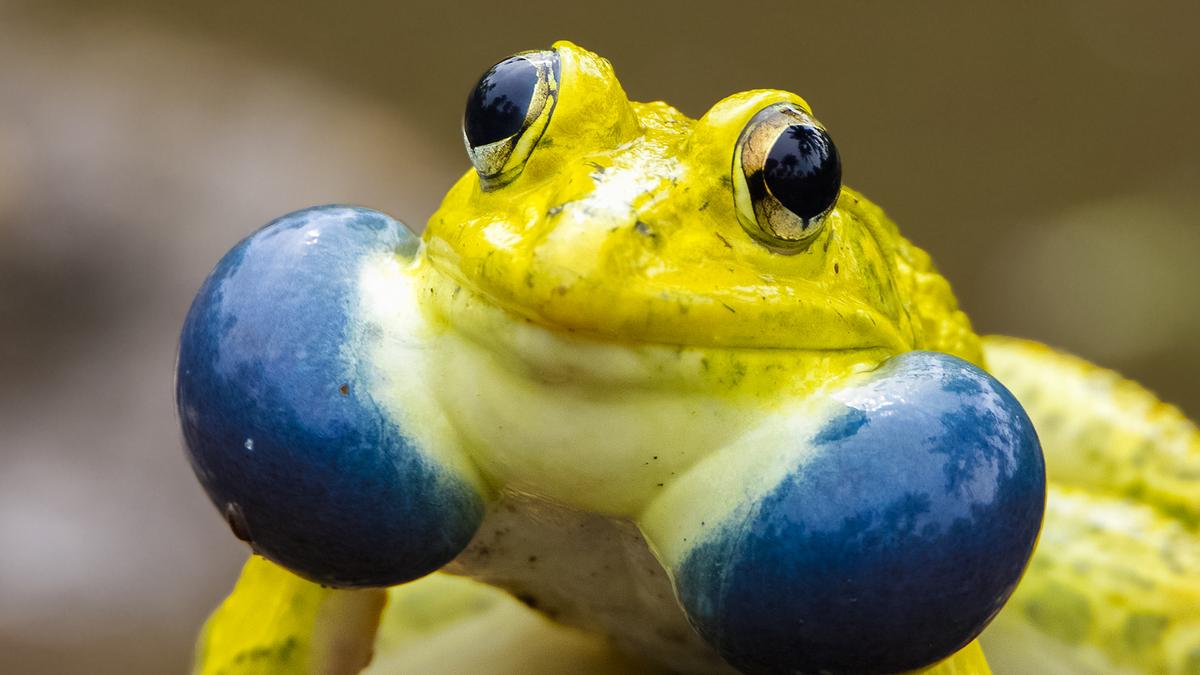
The Indian monsoon transforms wildlife tourism by shifting focus from large mammals to diverse micro-ecosystems. Increased humidity and rainfall trigger unique biological activities like amphibian breeding and fungal growth, offering a richer, more nuanced experience for nature enthusiasts.
The Monsoon Shift: A New Perspective on India’s Wilderness
For decades, the Indian wildlife tourism industry has been heavily centered on the 'charismatic megafauna'—the tigers, leopards, and elephants that dominate safari itineraries. However, a significant shift is occurring as naturalists and lodges begin to emphasize the monsoon season. Rather than viewing the rains as a period of inactivity or limited access, there is a growing recognition that the monsoon acts as a catalyst for a spectacular, albeit smaller-scale, biological explosion.
The Biological Pulse of the Rains
The monsoon is not a singular event that dictates a uniform response from the natural world. Instead, it serves as a complex environmental trigger. As humidity levels rise and water tables replenish, species across the forest floor respond with distinct survival strategies. From the pulsating blue vocal sacs of the Indian bullfrog to the intricate, half-built nests of the baya-weaver, the forest floor becomes a stage for reproductive behaviors that are largely invisible during the dry, arid months of the year.
Beyond the Safari: The Macro World
The allure of the monsoon lies in the 'smaller lives' that occupy the undergrowth. This shift in focus is essential for a deeper understanding of forest health. Fungi, which remain dormant within soil and wood throughout the year, suddenly emerge as vibrant, fruiting bodies following the first showers. This transition highlights the intricate relationship between rainfall, temperature, and nutrient cycling, providing an educational opportunity that traditional 'big game' safaris often overlook.
Behavioral Adaptations and Visibility
One of the most compelling aspects of monsoon exploration is observing animal behavior changes. While many assume that wildlife becomes harder to find due to increased vegetation, the reality is that the monsoon influences animal activity patterns. Changes in plumage, increased vocalization, and shifts in foraging habits mean that species present year-round suddenly become more prominent. Naturalist-led trails are now capitalizing on this, guiding visitors to observe these subtle yet vital ecological markers.
Ecological Implications and Future Trends
This trend represents a broader movement toward 'slow tourism' and conservation-focused education. By shifting the spotlight from celebrity animals to the interconnectedness of fungi, insects, and amphibians, wildlife lodges are fostering a greater appreciation for biodiversity. As this trend matures, it is likely that we will see more specialized monsoon-based eco-tourism packages, which not only diversify revenue streams for lodges but also promote a more holistic view of India’s forest ecosystems.
Conclusion
In summary, the monsoon season serves as a vital ecological window that reveals the true complexity of Indian forests. By moving away from the narrow pursuit of apex predators, observers can engage with a more diverse range of life forms. This transition not only enhances the visitor experience but also underscores the necessity of protecting the micro-habitats that sustain the larger forest ecosystem, marking a sophisticated evolution in how we interact with the wild.
Verification Required?