Bullet train project’s next phase to reduce Delhi-Lucknow travel time to 2 hrs: Railway minister
Source Entity
Latest News: Todays Latest News Headlines from India & World | Hindustan Times | Hindustan Times
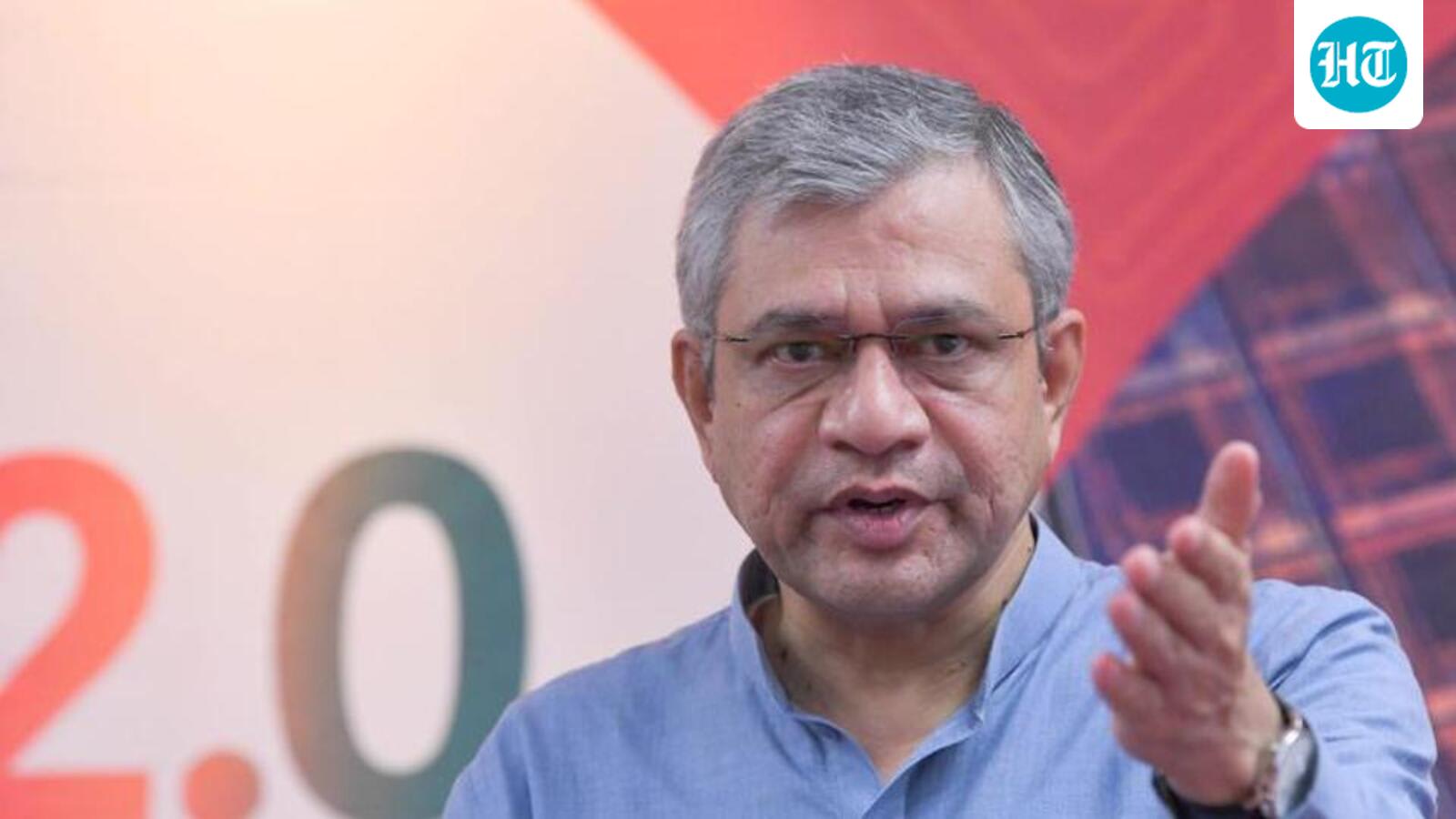
Railway Minister Ashwini Vaishnaw has announced a proposed high-speed bullet train corridor connecting Delhi to Varanasi and Patna. This project aims to significantly reduce travel times, including a two-hour transit to Lucknow.
Transformative Connectivity: The Delhi-Patna Bullet Train Corridor
Railway Minister Ashwini Vaishnaw has unveiled ambitious plans for a new high-speed bullet train corridor designed to revolutionize transit across Northern and Eastern India. By linking the national capital, Delhi, with major economic and cultural hubs including Agra, Kanpur, Lucknow, Varanasi, and Patna, the government aims to establish a high-velocity rail network that fundamentally alters regional mobility.
Drastic Reductions in Travel Time
The most significant impact of this proposed infrastructure project is the unprecedented reduction in travel duration. Minister Vaishnaw confirmed that the corridor is designed to bring the Delhi-Lucknow travel time down to a mere two hours, while the journey between Delhi and Patna will be condensed to 4.5 hours. Such efficiency would represent a paradigm shift, as these routes currently require significantly longer durations via traditional rail or road transport, thereby enhancing the economic integration of Uttar Pradesh and Bihar with the national capital.
Strategic Geographical Coverage
The selection of cities for this corridor—Agra, Kanpur, Lucknow, Varanasi, and Patna—underscores a strategic intent to bolster connectivity in the country's most populous and historically significant regions. By integrating these key urban centers into a singular high-speed artery, the project seeks to facilitate faster movement of human capital and goods, potentially acting as a catalyst for local industrial growth and tourism development across the Indo-Gangetic plain.
Implications for Infrastructure and Electrification
This announcement follows the Minister's recent focus on rail modernization, highlighted during the inauguration of the electrified broad-gauge line on the Nepalganj Road-Nanpara-Bahraich section. The push for a bullet train corridor is a natural evolution of India's ongoing efforts to modernize its railway infrastructure through electrification and capacity expansion. It signals a move toward a more sophisticated, high-speed rail ecosystem that prioritizes efficiency and technological advancement.
Future Trends and Economic Integration
Looking ahead, the successful implementation of this project could serve as a blueprint for future high-speed rail developments in India. If the project meets its ambitious timeline, it will likely increase the competitiveness of Tier-II cities by making them more accessible to the central business hub of Delhi. This infrastructure push suggests a long-term strategy to decentralize economic activity while maintaining strong logistical links between the nation's political center and its regional powerhouses.
Conclusion
In summary, the proposed bullet train corridor represents a bold step forward in India's transport policy. By prioritizing speed and connectivity between Delhi, Uttar Pradesh, and Bihar, the project addresses critical infrastructure bottlenecks. As the government transitions from conceptualization to execution, the focus will remain on how these high-speed links can effectively stimulate regional development and provide a modern, sustainable alternative to existing travel modes.
Verification Required?