Nvidia CEO Jensen Huang Not Taking OpenAI's 'Jalapeño' Chip Personally: 'Lots of Projects Get Started. Lots of Projects Get Canceled'
Source Entity
Yahoo Finance
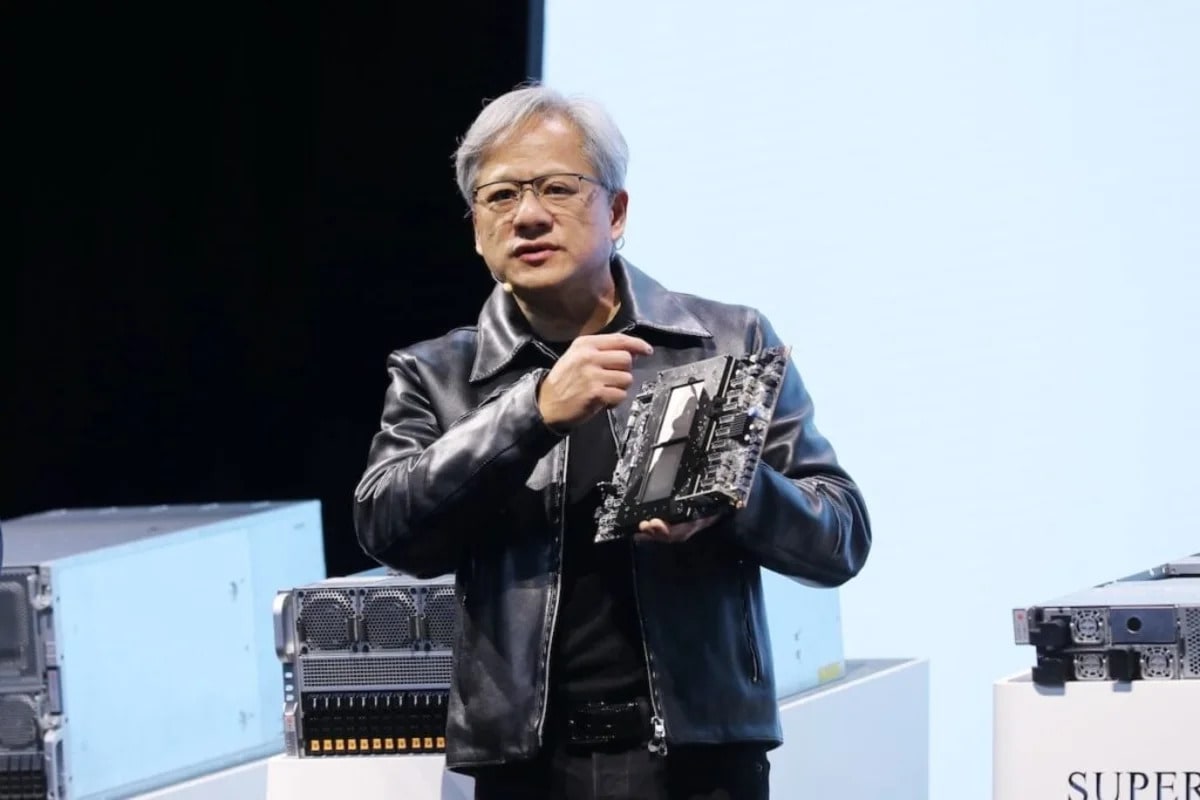
Nvidia CEO Jensen Huang remains unfazed by reports of OpenAI developing its own 'Jalapeño' AI chip. Huang emphasized industry volatility and his confidence in Nvidia's dominant market position despite increasing competition.
The Resilience of Nvidia in a Shifting AI Landscape
Jensen Huang’s Stance on Industry Competition
Nvidia CEO Jensen Huang recently addressed reports regarding OpenAI’s internal development of a custom AI processor, internally codenamed 'Jalapeño.' During a candid appearance on CNBC’s Mad Money, Huang dismissed concerns that OpenAI—a company that has received significant financial backing and hardware support from Nvidia—might become a direct competitor. Huang’s response was characteristically pragmatic, framing the development of proprietary silicon as a common, albeit uncertain, endeavor in the high-stakes world of artificial intelligence infrastructure.
The Volatility of Hardware Development
Central to Huang's assessment is the inherent instability of the semiconductor industry. By noting that "lots of projects get started" and just as many "get canceled," Huang underscored the immense technical and financial hurdles involved in chip design. Developing a competitive AI chip requires not just architectural innovation, but also the establishment of complex supply chains, software ecosystems, and manufacturing partnerships. For many tech giants, the aspiration to build custom silicon is often balanced against the reality of the immense capital expenditure and R&D risk involved.
Nvidia’s Dominant Ecosystem Advantage
While customers like OpenAI explore vertical integration to potentially reduce costs or optimize for specific workloads, Nvidia maintains a formidable moat. The company’s strength lies not merely in its hardware, but in its CUDA software platform, which has become the industry standard for AI developers. This ecosystem creates a level of stickiness that makes transitioning to proprietary or alternative hardware architectures a difficult and costly undertaking for most enterprise-level users.
Broader Implications for the AI Industry
The narrative surrounding 'Jalapeño' highlights a growing trend where major AI labs seek greater autonomy over their compute resources. As AI models scale, the cost of inference and training becomes a primary bottleneck. By attempting to design custom processors, firms like OpenAI are signaling a desire to optimize their cost structures. However, Huang’s confidence suggests that Nvidia views this as a natural evolution of a burgeoning industry rather than an existential threat to its market leadership.
Future Outlook and Market Dynamics
Looking ahead, the relationship between hardware suppliers and AI software developers will likely remain complex. While some companies will succeed in deploying custom chips for niche applications, Nvidia’s ability to iterate at a rapid pace—often outpacing the development cycles of its own customers—remains its greatest defense. The competitive landscape will continue to be defined by this push-and-pull between the commoditization of AI hardware and the necessity of high-performance, general-purpose computing solutions that Nvidia currently provides at scale.