Trump’s ‘biggest oil deal in history’ with Venezuela: a distraction from Iran war fuel pain?
Source Entity
Latest News: Todays Latest News Headlines from India & World | Hindustan Times | Hindustan Times
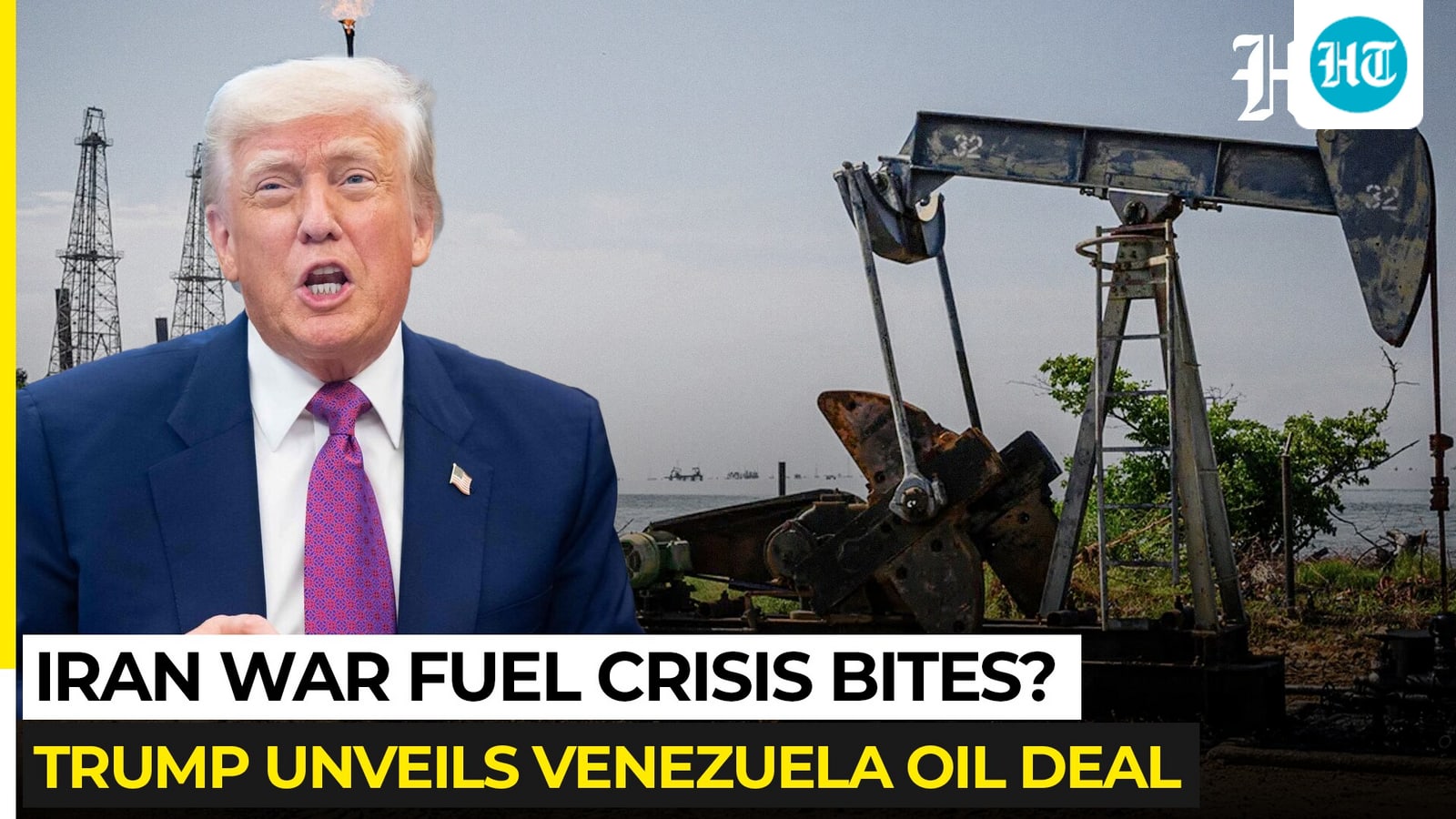
President Donald Trump has announced a major agreement securing U.S. majority control over 65 billion barrels of Venezuelan oil reserves. The move, negotiated by Secretary of State Marco Rubio and Secretary of War Pete Hegseth, has drawn significant criticism as 'predatory' amid ongoing global geopolitical tensions.
The Geopolitical Shift: U.S. Control Over Venezuelan Reserves
In a move that marks a radical departure from traditional international energy relations, President Donald Trump has officially announced a deal securing U.S. majority control over more than 65 billion barrels of Venezuelan oil reserves. This agreement, which the administration characterizes as the largest oil deal in history, follows the significant political upheaval in Venezuela that began with the U.S.-led intervention in January. By gaining a direct stake in these fields, the United States seeks to fundamentally alter its energy security strategy, particularly as the Strategic Petroleum Reserve had previously reached its lowest levels since the 1980s.
Strategic Implications of the Energy Grab
The timing of this arrangement is inextricably linked to the broader climate of global instability. As the United States navigates a volatile conflict with Iran—specifically regarding the control of the Strait of Hormuz—the securing of Venezuelan crude serves as a vital hedge against global supply chain disruptions. By effectively doubling U.S. oil reserves, the administration intends to insulate the domestic economy from the volatility of the global crude trade, which has been roiled by current military and diplomatic tensions.
Internal and External Criticism
Despite the administration’s framing of the deal as a cost-free victory for taxpayers, the announcement has triggered a wave of international and domestic outcry. Critics have labeled the move as "predatory" and "unconstitutional," questioning the legal framework under which a foreign power can seize majority control of another sovereign nation's natural resources. The controversy is compounded by the fact that the deal was brokered with the interim administration of Delcy Rodriguez following the removal of Nicolás Maduro, raising profound questions regarding the legitimacy of the transition and the long-term sovereignty of Venezuela.
The Role of the Executive Branch
President Trump has publicly credited Secretary of State Marco Rubio and Secretary of War Pete Hegseth for the successful negotiation of this agreement. The involvement of the newly designated Secretary of War underscores the extent to which this energy acquisition is viewed through a security lens rather than a purely commercial one. By partnering with private industry to manage these assets, the administration is signaling a new era of "resource diplomacy" where corporate interests and national security objectives are merged into a single foreign policy apparatus.
Historical Context and Future Trends
Venezuela holds the world’s largest proven crude oil reserves, estimated at 303 billion barrels. Historically, the management of these reserves has been a point of intense internal struggle and international scrutiny. The current U.S. intervention represents a pivot point in Latin American history, effectively placing a significant portion of these reserves under the direct influence of Washington. As the deal moves into the implementation phase, the global market will likely watch closely to see if this consolidation of power stabilizes energy prices or if it triggers further regional instability and diplomatic retaliation from competing global powers.
Conclusion
The agreement between the United States and the interim Venezuelan government represents a landmark shift in global energy politics. While the administration views the acquisition of 65 billion barrels as a strategic necessity to bolster national energy independence, the manner in which it was achieved continues to spark debate. Whether this move secures long-term stability or merely introduces new complexities into the global energy market remains to be seen as the geopolitical landscape continues to shift.
Multiple Citing Sources
Verification Required?