
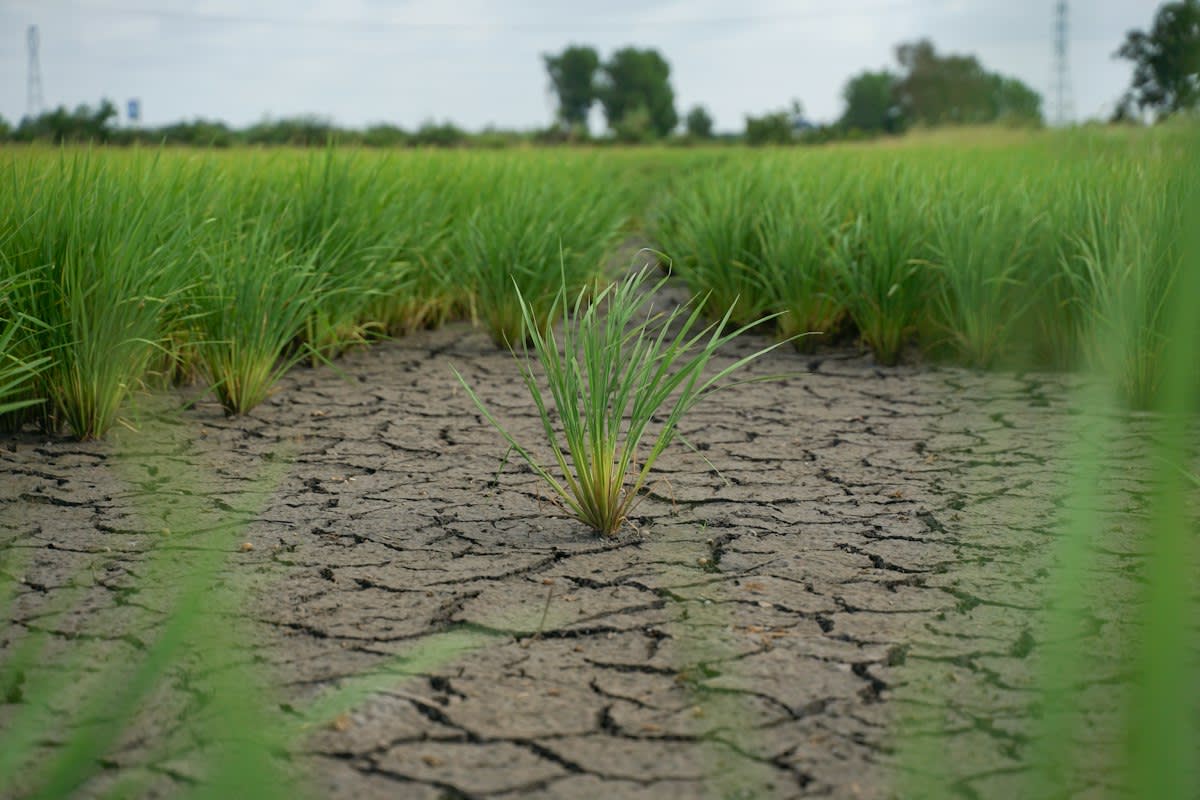
For decades, the agricultural industry worshipped a single deity: the yield. If a field produced more bushels per acre, the system was deemed a success, regardless of the biological wreckage left in the wake of synthetic inputs. But we are hitting a wall. The accounting is finally catching up. We are seeing a global pattern where the short-term gains of industrial chemistry have created a long-term liability in the form of dead soil. This is not a localized crisis of poor management; it is a systemic failure of a model that treated soil as a sterile medium for chemical delivery rather than a living ecosystem.
When the soil loses its structural integrity, the yield inevitably follows. Take the case of Southend Farm in West Sussex, England. This family-owned estate, spanning 200 hectares, didn't pivot to regenerative organic farming because of a trend or a marketing whim. They did it because they noticed a tangible, frightening decline in productivity. The realization was simple: the falling crop yields were a direct reflection of the deteriorating health of the soil (Source: Business Insider, 2026). This is the hidden cost of industrial yields. You borrow productivity from the future to pay for the present, and eventually, the debt comes due.
"We’re a family-owned business and being responsible custodians of the land has always been important to us, but we started noticing that crop yields were starting to fall away, and that this was a direct reflection of the health of the soil."— William Fleming, Farmer at Southend Farm
The Global Scale of Degradation
This erosion of productivity isn't limited to the UK. In northern China, specifically the Inner Mongolia autonomous region, the struggle is systemic. This region, a vital grain and livestock base, has battled drought, soil salinization, and black soil degradation for decades (Source: China Daily, 2026). At the start of the 21st century, an alarming 60 percent of the region's total arable land was classified as medium- or low-yield farmland (Source: China Daily, 2026). When you see that kind of degradation across millions of mu of land, you realize that industrial-scale cultivation often leads to meager harvests that depend entirely on the volatility of the weather rather than the resilience of the land.
Is it possible to reverse this? The transition is rarely smooth, and it is often sparked by personal or environmental breaking points. In Harlowton, Montana, Jody and Crystal Manuel overhauled a fifth-generation farm, moving from conventional to regenerative organic practices following a health scare involving Graves' disease (Source: Farm Progress, 2026). Their story highlights a critical shift in the practitioner's mindset: the realization that the inputs used to sustain industrial yields may be incompatible with human and ecological health. The move toward regeneration is as much about risk mitigation—health risk, climate risk, and financial risk—as it is about ethics.
From a practitioner's perspective, the debate on the ground is no longer about whether organic works, but about the speed of the transition. In the field, you'll hear veteran farmers arguing over the 'transition dip'—that period where synthetic supports are removed before the biological systems have fully recovered. There is a visceral tension between the old guard, who fear a total crop failure during the conversion, and the new wave of regeneratives who view the dip as a necessary detox. The real friction lies in the metrics; traditionalists look at tonnage per acre, while regeneratives are obsessed with carbon sequestration, microbial diversity, and water infiltration rates.
The Infrastructure of Regeneration
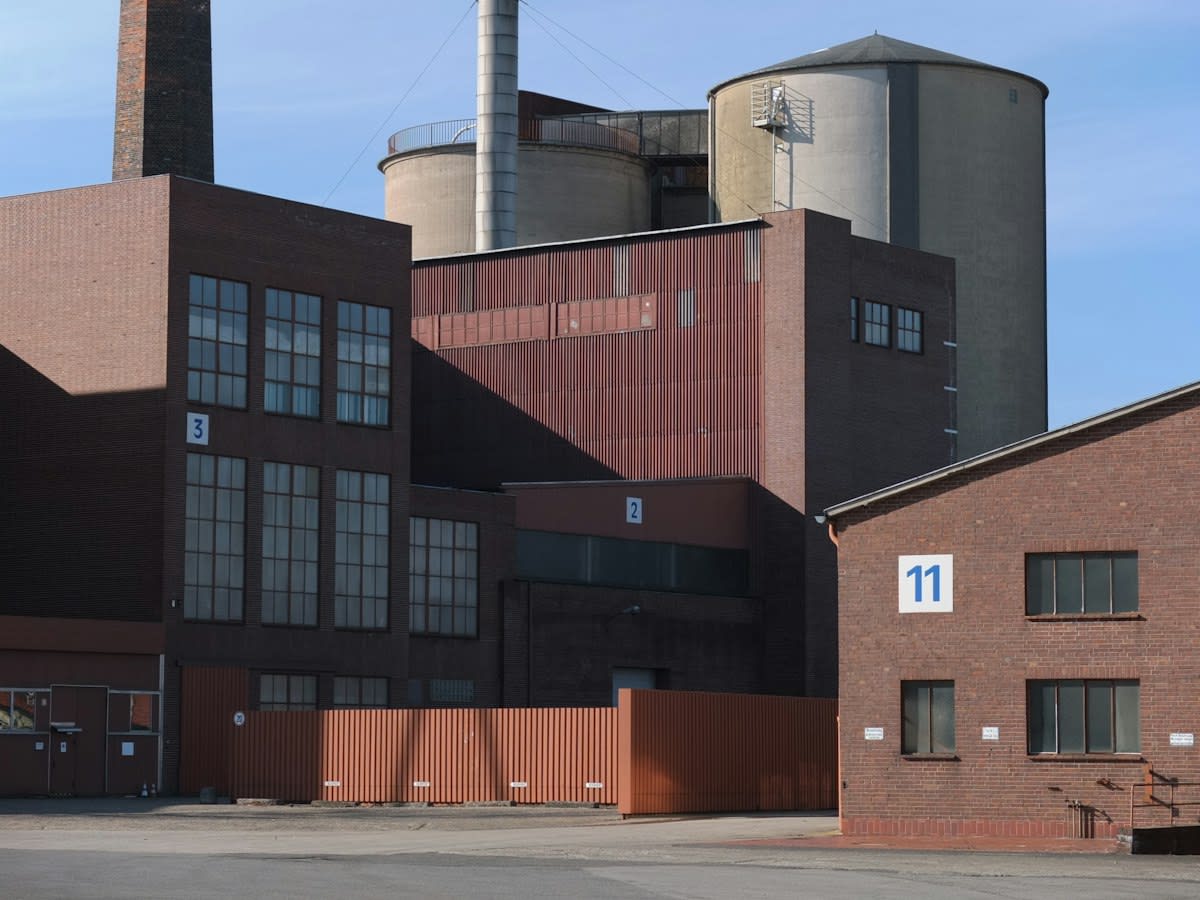
If we are moving away from synthetic NPK (nitrogen, phosphorus, potassium) fertilizers, where does the nutrition come from? The answer lies in the scaling of bio-infrastructure. India is currently a primary laboratory for this shift. The manufacturing of liquid biofertilizers is becoming a sophisticated industrial sector, with plants ranging from small-scale units to massive multi-product facilities. The economic viability is clear: well-run plants typically earn a gross margin of 30 to 40% and a net margin of 12 to 20% (Source: IMARC Group, 2026).
| Plant Scale | Annual Capacity | Estimated Setup Cost (INR) |
|---|---|---|
| Small Unit | 100 - 300 kilolitres | 1 - 3 Crore |
| Medium Plant | 500 - 2,000 kilolitres | 5 - 15 Crore |
| Large Facility | 5,000+ kilolitres | 30 - 60 Crore |
The strategic deployment of these facilities is highly regionalized. For instance, Madhya Pradesh is the center of demand for Rhizobium due to its soybean and pulse production, while Tamil Nadu leverages a long history of biofertilizer research (Source: IMARC Group, 2026). This suggests that the future of agriculture isn't a one-size-fits-all chemical application, but a localized, biological approach tailored to the specific needs of the regional soil and crop profiles.
Beyond biofertilizers, the market is looking toward marine resources to restore terrestrial health. The UK seaweed market is projected to reach USD 630.4 million by 2034, growing at a CAGR of 7.54% (Source: IMARC Group, 2026). Seaweed isn't just another additive; it's a tool for enhancing soil structure and biological activity. When you combine this with the use of rapidly regrowing biomass like bamboo—which integrates agricultural yield with the mechanical strength of softwoods—you start to see a blueprint for a diversified, regenerative landscape (Source: IMARC Group, 2026).
The Systemic Pivot
We are witnessing a transition from an extractive economy to a restorative one. The 'hidden cost' of industrial yields was always there—it was just omitted from the balance sheet. By ignoring soil organic matter and microbial health, industrial farming essentially liquidated its natural capital to inflate current revenue. Now that the capital is exhausted, the only path forward is reinvestment. Whether it is through carbon studies in West Sussex or smart farming equipment in Inner Mongolia, the goal is the same: building a system where productivity is a byproduct of health, not a replacement for it.
The shift is inevitable because the alternative is collapse. When 60 percent of a region's land becomes low-yield (Source: China Daily, 2026), you can no longer spray your way out of the problem. The future belongs to the operators who can leverage bio-infrastructure—like the liquid biofertilizer plants in India or the seaweed markets in the UK—to create a closed-loop system. This is where the real opportunity lies: in the intersection of soil science, biological manufacturing, and regenerative management.
Fact-Check & Accuracy Note
Key claims regarding liquid biofertilizer plant costs and margins are sourced from IMARC Group (2026). Data on Inner Mongolia's land yield is attributed to China Daily (2026). The transition of Southend Farm and the Manuel farm are based on reports from Business Insider (2026) and Farm Progress (2026), respectively. There remains an ongoing global debate regarding the exact timeline of the 'transition dip' in yields during the shift from conventional to organic farming.