GM is betting compute and AI will help it compete with Chinese automakers
Source Entity
Tim De Chant, Kirsten Korosec
Google is expanding its conversational Gemini AI to Apple CarPlay for hands-free navigation, while General Motors is integrating a new AI assistant into its 30-year-old OnStar platform. These developments reflect a broader industry push to leverage AI for vehicle software, faster development cycles, and enhanced user connectivity.
The Convergence of AI and Automotive Innovation
The automotive landscape is undergoing a profound transformation as artificial intelligence moves from the research lab to the dashboard. Recent announcements from both Google and General Motors highlight a dual-pronged approach to this shift: the integration of advanced conversational AI into existing third-party platforms like Apple CarPlay, and the internal restructuring of legacy automotive services through AI-driven overhauls.
Google Gemini Enters the Apple Ecosystem
Google has officially expanded its Gemini AI assistant to Apple CarPlay, a move that follows its initial rollout to Android Auto last year. By allowing drivers to engage in multi-step conversational queries—such as seeking location recommendations and requesting navigation that avoids toll roads—Google is prioritizing hands-free utility. While the feature is currently available in the United States with a global rollout pending, the 12-month delay in bringing this to the Apple ecosystem underscores the complexities of cross-platform software integration in the automotive sector.
General Motors' Strategic Pivot with OnStar
Simultaneously, General Motors is revitalizing its 30-year-old OnStar service with a proprietary AI assistant. Debuting in the 2027 Cadillac Lyriq EV, this overhaul represents more than just a software update; it is a fundamental shift in how the automaker manages its customer-facing digital infrastructure. By consolidating various brand-specific apps into a unified OnStar mobile experience, GM is attempting to streamline the user journey while deepening its software-defined vehicle strategy.
Accelerating Development Cycles
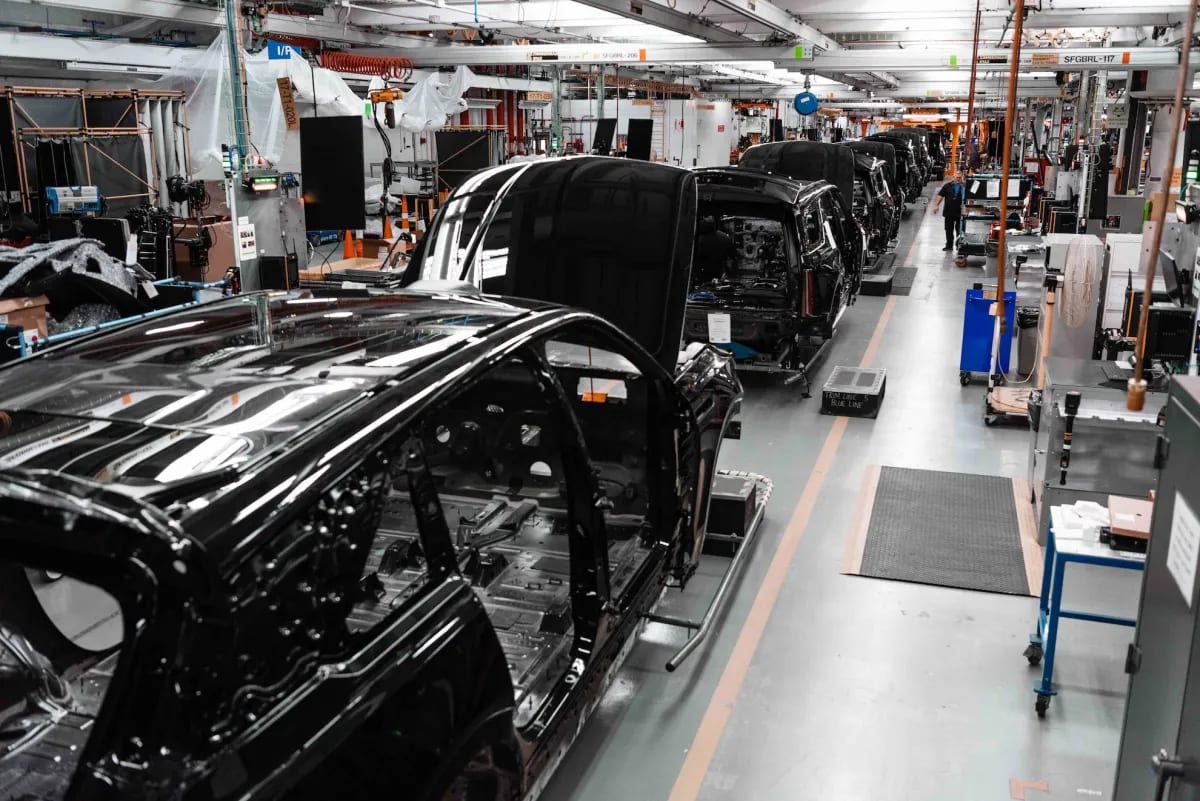
Beyond the dashboard, GM is utilizing AI to fundamentally alter its manufacturing and design timelines. CEO Mary Barra has outlined a target to reduce vehicle development cycles to approximately two years. By leveraging AI-driven simulation and advanced software, the automaker aims to remain competitive against aggressive international rivals and a demanding U.S. market. This shift toward a two-year development cycle marks a significant departure from traditional automotive timelines, which have historically spanned much longer periods.
The Future of Software-Defined Vehicles
These developments are symptomatic of a broader industry trend where the "vehicle" is increasingly defined by its software stack rather than just its mechanical components. GM’s commitment to achieving "eyes-off" highway driving by 2028, coupled with its push for more efficient electric vehicles, suggests that AI is no longer an optional add-on but a core requirement for automotive viability.
Conclusion
As Google enhances the connectivity of everyday commuters and GM re-engineers its entire development and service model, the role of the driver is changing. The integration of AI—whether through a smartphone interface or a vehicle's native OS—is creating a more intuitive, responsive, and efficient driving environment. The coming years will likely see these technologies mature, further blurring the lines between consumer electronics and automotive engineering.