FCC chair warns media not to run the "fake polls" Trump keeps complaining about
Source Entity
Jon Brodkin
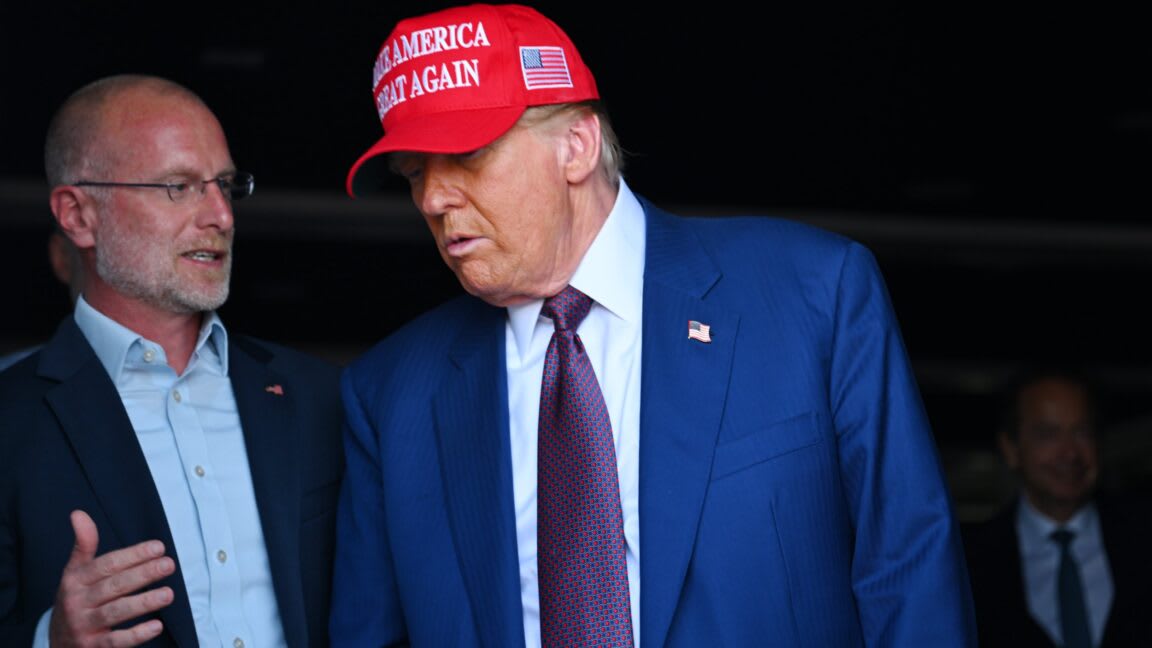
FCC Chair Brendan Carr has issued a warning to broadcasters regarding the airing of unscientific 'fake polls,' echoing concerns raised by President Trump. Former officials suggest this move may pressure media outlets toward self-censorship, sparking a debate over regulatory overreach and journalistic integrity.
The Intersection of Regulation and Journalism
Federal Communications Commission (FCC) Chairman Brendan Carr has recently issued a pointed warning to media broadcasters, cautioning them against airing what he characterizes as "fake polls." By explicitly echoing the grievances frequently voiced by President Trump, the Chairman has brought the regulatory power of the FCC into the center of a volatile debate regarding the role of media in American democracy. This intervention suggests a shift in how the government oversees content, moving beyond technical compliance into the territory of editorial judgment regarding the veracity of political data.
The Mechanics of the Warning
Carr’s directive, issued via the social media platform X, argues that many outlets are failing to uphold "basic journalistic ethics" by presenting polling data that lacks a scientific or accurate basis. By framing the broadcasting of such information as potential "News Distortions" or "Broadcast Hoaxes," Carr is invoking the FCC's regulatory authority to influence content standards. The timing of this warning follows the recent exposure of a specific, small-scale polling outfit as a hoax, which provides the immediate impetus for the Chairman’s call for increased scrutiny and mandatory contextualization of polling data.
Concerns Over Self-Censorship
Former FCC chairs and media experts have expressed significant alarm regarding the implications of Carr’s rhetoric. Critics argue that the Chairman is effectively weaponizing the threat of regulatory action to intimidate broadcasters, pushing them toward a state of self-censorship. When a government official with the power to influence licensing and compliance standards suggests that airing certain types of content could violate "regulatory obligations," media organizations may choose to avoid controversial or critical reporting entirely to mitigate legal and financial risks.
Historical Precedents and Regulatory Scope
Historically, the FCC has maintained a delicate balance between public interest mandates and the First Amendment rights of broadcasters. While the Commission has rules against the deliberate broadcast of false information, these are traditionally applied to news segments that could cause public harm or panic. Expanding this definition to include polling data—which is interpretive by nature—marks a significant departure. It raises profound questions about whether the government should be the arbiter of what constitutes a "real" versus a "fake" poll, a task traditionally left to the marketplace of ideas and rigorous journalistic fact-checking.
Future Implications for Media Integrity
As the media landscape continues to fracture, the pressure to maintain public trust is higher than ever. However, the move by the FCC chair suggests that the future of media oversight may be increasingly adversarial. If broadcasters are forced to adhere to government-mandated "contextualization" requirements, the autonomy of newsrooms could be severely curtailed. Conversely, the industry faces a legitimate crisis regarding the proliferation of unscientific data, and the debate will likely shift toward whether internal industry standards or external government mandates are the appropriate solution to maintaining the integrity of political discourse.