Trump's approval rating on economy hits all-time low as midterm looms: CNBC survey
Source Entity
US Top News and Analysis
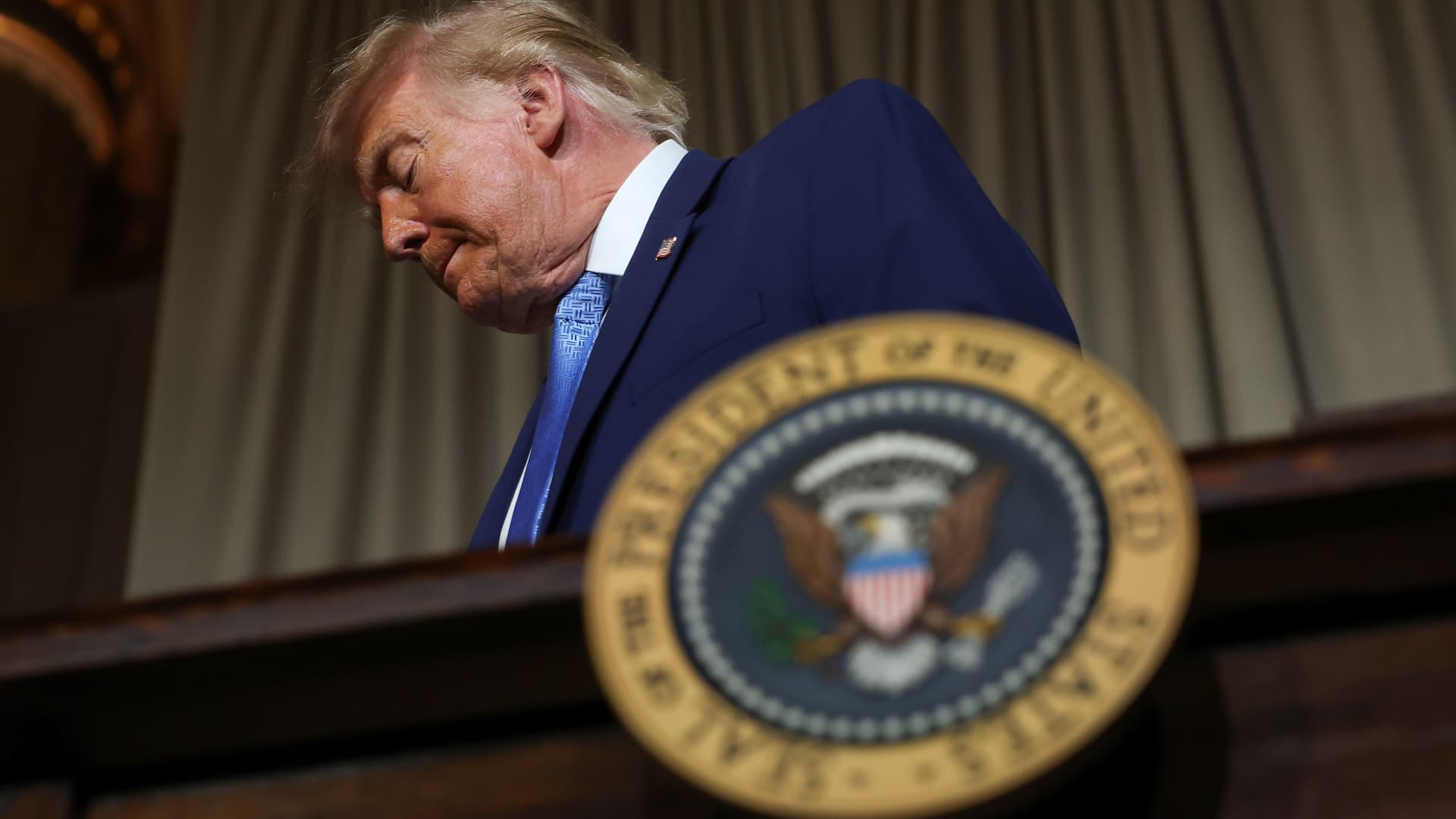
A recent CNBC survey reveals that President Trump's economic approval rating has reached an all-time low ahead of the midterms. With 80% of Americans viewing the economy negatively, Republicans face significant electoral challenges.
Economic Sentiment and the Midterm Landscape
The latest CNBC All-America Economic Survey paints a stark picture of the American political landscape, as President Donald Trump’s economic approval ratings have plummeted to an all-time low. With the congressional elections less than two weeks away, the data indicates a profound disconnect between the administration's messaging and the lived reality of the American electorate. This erosion of confidence serves as a critical indicator of the mounting pressure facing Republican candidates as they navigate an increasingly hostile electoral environment.
The Depth of Economic Dissatisfaction
The most alarming statistic from the survey is that eight out of 10 Americans now rate the current state of the economy as either "fair" or "poor." This level of pessimism has not been observed since December 2023, suggesting that the nation's economic mood is regressing to levels previously associated with the post-pandemic recovery period. When such a vast majority of the population expresses discontent, it traditionally serves as a harbinger of significant shifts in legislative power, as voters often use the ballot box to voice their frustrations with the incumbent party.
Historical Context and Political Implications
Historically, midterms are often characterized as a referendum on the sitting president. In this instance, the confluence of high inflation concerns, perceived economic instability, and the specific timing of this poll creates an uphill battle for Republican candidates. The "gloom" described by respondents is not merely a transient sentiment; it is a structural challenge that threatens to undermine the GOP's platform. By tying the President’s approval rating directly to economic performance, the survey highlights why the party in power is struggling to gain traction in competitive districts.
The Psychological Impact on Voter Turnout
The intensity of these downbeat views is particularly concentrated, acting as a potential catalyst for voter mobilization among the opposition. When economic anxiety becomes the dominant narrative in a campaign cycle, it shifts the focus away from traditional party platforms and toward the immediate financial concerns of households. This environment forces candidates to defend the status quo under conditions where the electorate is actively seeking change, effectively neutralizing many of the traditional advantages held by incumbent campaigns.
Future Trends and Strategic Outlook
Looking toward the final stretch of the election, the findings of the CNBC survey suggest that the economic narrative will remain the decisive factor in the upcoming congressional contests. Unless there is a dramatic and tangible shift in public perception—or a significant economic recovery that reaches the average consumer—the trend of low approval ratings is likely to persist. As candidates enter the final ten days of campaigning, the challenge remains clear: the electorate’s dissatisfaction with the economy is the primary obstacle to retaining control of Congress.