Yesterday’s student leaders must not curb dissent today
Source Entity
Latest News: Todays Latest News Headlines from India & World | Hindustan Times | Hindustan Times
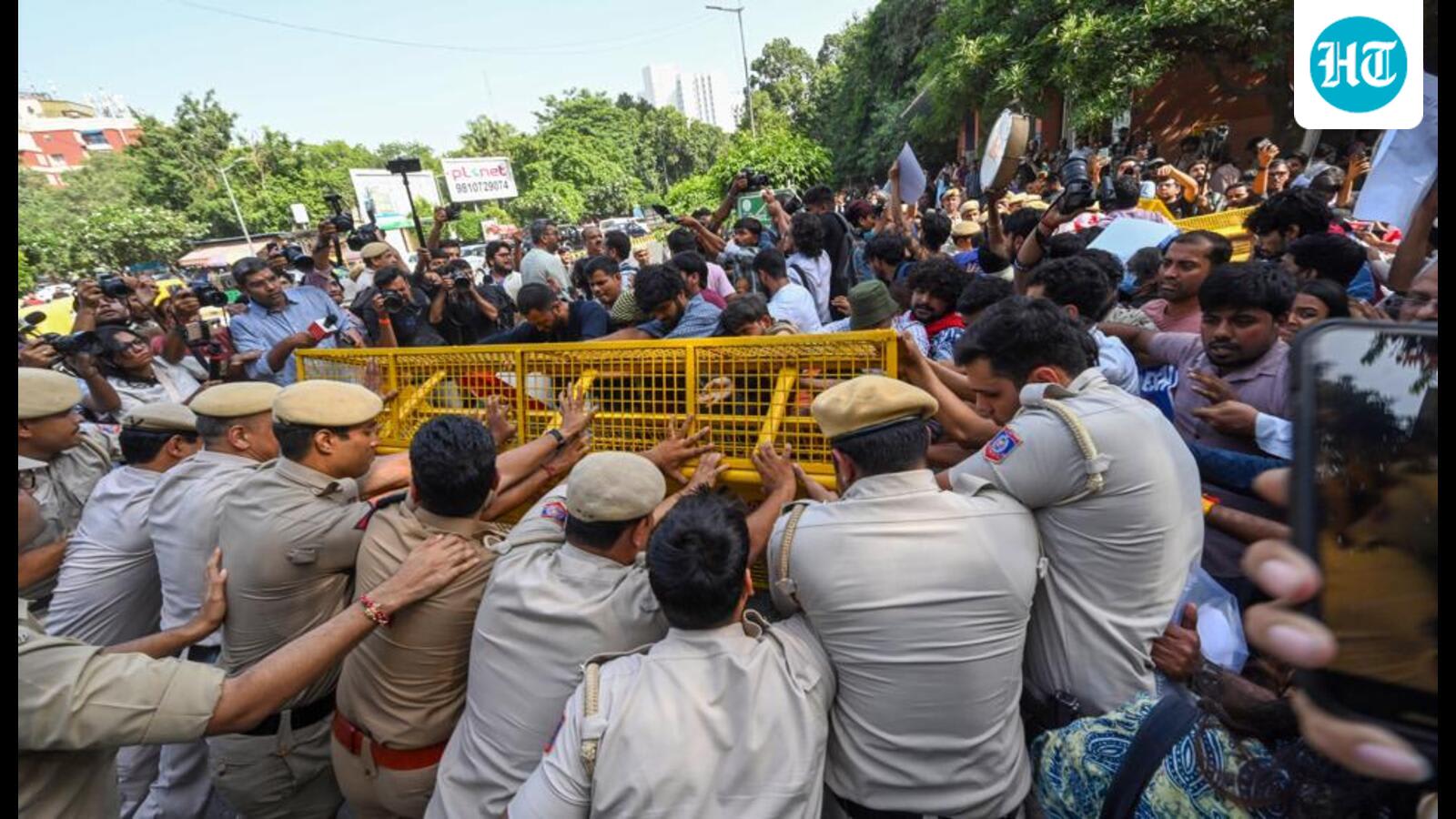
The article critiques how former student activists, now in positions of power, often suppress the same culture of dissent they once utilized. It highlights India's historical reliance on student-led movements as a vital component of democratic accountability.
The Paradox of Power and Dissent
It is a recurring paradox in political history that those who rise to prominence through the avenues of grassroots activism and student protest often become the most vocal critics of such methods once they occupy the halls of power. The recent discourse surrounding the treatment of student protestors highlights a fundamental disconnect between the democratic values championed by current leaders in their youth and their current administrative responses to modern-day dissent.
The Historical Blueprint of Resistance
India’s political landscape is deeply rooted in the history of mass movements, many of which were birthed on university campuses. The narrative of the Emergency serves as a critical touchstone here; leaders like the late Arun Jaitley, who transitioned from his role as the president of the Delhi University Students’ Union to a high-ranking ministerial position, were once the very people burning effigies and challenging the status quo. Their actions during that era were not viewed as mere disturbances but as essential exercises of democratic duty.
The Gandhian Legacy of 'Sampoorna Kranti'
Central to this history is the 'Sampoorna Kranti' (Total Revolution) movement led by Jayaprakash Narayan. This movement proved that student-led protests are not merely peripheral incidents but are, in fact, political finishing schools that shape the future leaders of the nation. By viewing these historical events through a contemporary lens, it becomes clear that the current generation of students is merely echoing the same demands for transparency and accountability that defined their predecessors.
The Changing Perception of the Barricade
There is a profound irony in how the 'right to protest' is perceived based on one's location relative to the barricade. When individuals are outside the power structure, they view disruption as a necessary tool for change. However, once those same individuals cross the threshold into governance, the rhythms of everyday life are often prioritized over the messy, uncomfortable, yet vital nature of democratic dissent. This shift suggests a hardening of institutional attitudes toward the very mechanisms that once facilitated their own rise.
Implications for Future Democratic Discourse
If the current leadership continues to conflate dissent with disturbance, they risk alienating the youth and eroding the democratic foundations they claim to uphold. History teaches us that suppressing student voices does not neutralize the issues they raise; rather, it often intensifies the movement. For a healthy democracy, it is imperative that leaders reconcile their past as rebels with their present as policymakers, ensuring that the space for student-led inquiry remains open and respected.
Conclusion
Ultimately, the ability to tolerate—and even welcome—dissent is the hallmark of a mature democracy. By ignoring their own formative years as student activists, current leaders risk disconnecting from the pulse of the nation. To preserve the vitality of India’s democratic experiment, those in power must recognize that the students currently standing outside the barricades are participating in a storied tradition that has long been essential to the nation's political health.
Verification Required?