‘Who’s U.S. blackmailing?’ asks Rahul Gandhi over timing of Epstein-Puri photo release
Source Entity
India Latest News: Top National Headlines Today & Breaking News | The Hindu
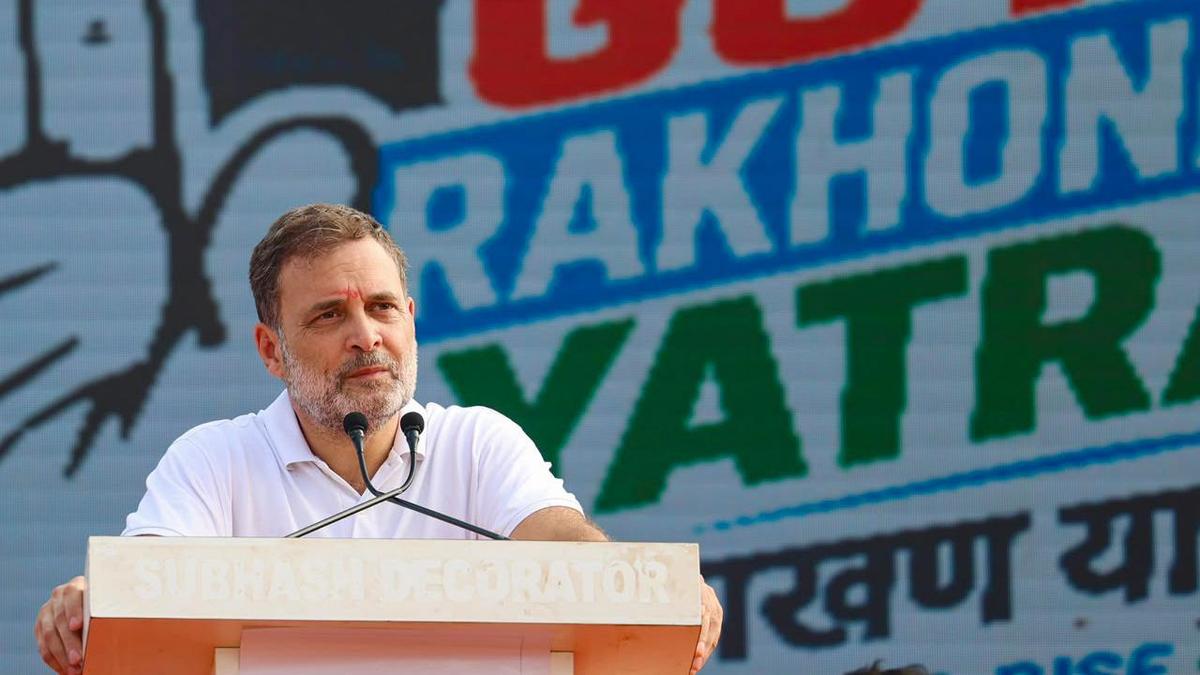
Union Minister Hardeep Singh Puri faces backlash from opposition parties following the U.S. Department of Justice's release of a photograph showing him with Jeffrey Epstein. Opposition leaders, including Rahul Gandhi, are questioning the timing of the release during U.S. Secretary of State Marco Rubio's visit to India.
The Epstein-Puri Controversy: Political Fallout and Diplomatic Questions
A Provocative Disclosure
The recent release of a photograph by the U.S. Department of Justice (DoJ) depicting Union Petroleum Minister Hardeep Singh Puri alongside the late convicted sex offender Jeffrey Epstein has ignited a significant political firestorm in India. The image, emerging into the public sphere amidst a sensitive diplomatic period, has provided the Opposition—spearheaded by the Congress, TMC, and NCP—with fresh ammunition to scrutinize the Minister’s past associations. While Puri maintains that his interactions were limited to three or four professional meetings occurring after his tenure as an ambassador but prior to his 2017 entry into the Union Cabinet, the gravity of Epstein’s criminal legacy has made these explanations insufficient for his critics.
The Timing and Geopolitics
The core of the Opposition's contention, particularly articulated by Leader of the Opposition Rahul Gandhi, centers on the suspicious timing of the DoJ’s disclosure. The release coincided precisely with the high-profile visit of U.S. Secretary of State Marco Rubio to Mumbai. By linking the photograph’s emergence to this diplomatic event, the Opposition has framed the situation not merely as a matter of individual conduct, but as a potential instrument of international leverage. Rahul Gandhi’s public query regarding whether the U.S. is attempting to 'blackmail' Indian leadership underscores the high-stakes political narrative being constructed around this imagery.
Accountability vs. Professional Conduct
Hardeep Singh Puri has sought to contextualize the meetings as strictly professional encounters. However, the Opposition is demanding greater transparency regarding the specific substance and nature of these discussions. The skepticism is rooted in the broader societal and moral outrage surrounding Epstein’s known criminal activities, leading critics to argue that any association, regardless of professional veneer, warrants a rigorous explanation. This demand for clarity is being used to challenge the ethical standing of the current administration’s leadership.
Broader Political Implications
This incident has become a focal point for the Opposition to question the integrity of the ruling BJP and its ideological affiliates. By framing the narrative around 'anti-national' rhetoric, leaders like Rahul Gandhi are attempting to flip the script on the BJP's own political branding. The involvement of figures like Mahua Moitra of the TMC further signals a coordinated effort to keep the pressure on the Ministry, ensuring that the association with a figure as toxic as Epstein remains a persistent vulnerability for the government in the public eye.
Historical Context and Future Trends
Historically, the revelation of associations with controversial figures has frequently served as a tool for political destabilization. As the U.S.-India relationship continues to deepen under the current geopolitical climate, the use of such dossiers—whether as standard transparency measures or strategic leaks—may become a recurring theme. The future trajectory of this event will likely depend on whether the Opposition can substantiate their claims of 'blackmail' or if the government can successfully move past the controversy by emphasizing the pre-cabinet nature of the meetings. Ultimately, this episode highlights the fragility of diplomatic optics in an era where archived digital evidence can be weaponized at critical junctures.
Verification Required?