‘Should have verified facts,’ says Eknath Shinde after Jarange Patil’s Rs 500-crore allegation
Source Entity
MANOJ MORE
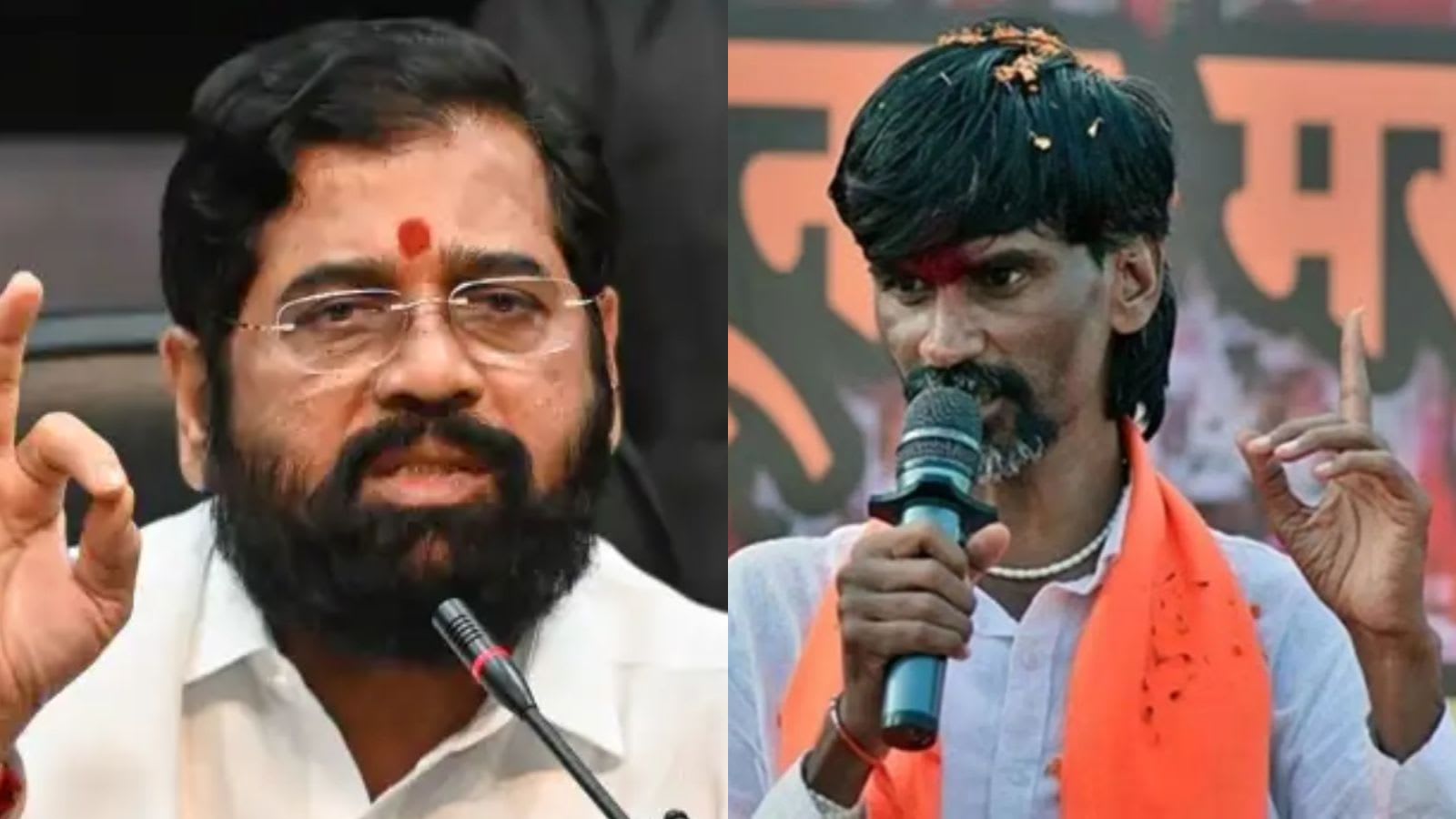
Maharashtra Chief Minister Eknath Shinde has categorically denied allegations by activist Manoj Jarange-Patil regarding a Rs 500-crore bribery claim. Shinde challenged the activist to provide evidence, emphasizing his transparency and commitment to the Maratha community.
The Controversy Surrounding Allegations of Political Bribery
Recent political discourse in Maharashtra has been punctuated by a high-stakes confrontation between Chief Minister Eknath Shinde and prominent Maratha quota activist Manoj Jarange-Patil. The tension escalated when Jarange-Patil publicly questioned whether the Chief Minister had orchestrated a Rs 500-crore payment through BJP leadership intended to silence his advocacy for the Maratha community. This allegation, which suggests a deep-seated transactional relationship between the state government and protest leadership, has sparked a significant debate regarding the integrity of political movements and the motivations of those spearheading them.
Eknath Shinde’s Rebuttal and Demand for Proof
In a swift and direct response, Chief Minister Eknath Shinde dismissed the claims as entirely baseless. Speaking to the media in New Delhi, Shinde asserted that he has neither offered nor received any such funds, positioning himself as a leader whose working style is transparent and well-known to the public. By demanding that Jarange-Patil produce concrete evidence for his claims, Shinde has effectively placed the burden of proof on the activist, framing the accusation as a reckless statement made without factual verification.
The Impact of High-Stakes Rhetoric
This incident highlights the volatile intersection of social activism and electoral politics in Maharashtra. The mention of specific, large-scale financial figures like Rs 500 crore serves to amplify the narrative of corruption, which can quickly dominate the media cycle. Shinde’s observation that his name is frequently used to generate headlines underscores the strategic nature of this rhetorical conflict; by invoking the Chief Minister’s name, activists can increase the visibility of their cause, though such tactics carry the risk of undermining their credibility if the claims cannot be substantiated.
Historical Context of the Maratha Quota Movement
To understand the gravity of this exchange, one must look at the historical context of the Maratha reservation movement, which has been a central pillar of Maharashtra’s political landscape for years. The struggle for quotas has often involved intense negotiations between community leaders and the state government. The current friction indicates a breakdown in the dialogue between the administration and the activists, suggesting that the path toward a legislative resolution for Maratha reservations remains fraught with distrust and political maneuvering.
Analyzing the Future of the Conflict
The demand for evidence from the Chief Minister signifies a hardening of positions. For the Maratha reservation movement, the challenge lies in maintaining its grassroots legitimacy while navigating the complex political environment of a state government wary of unsubstantiated attacks. Conversely, for the Shinde administration, the necessity of defending its reputation against corruption allegations is paramount as it seeks to maintain stability and public trust. The outcome of this specific dispute will likely influence the tone of future negotiations and the broader political stability of the region as the state prepares for upcoming electoral cycles.