
The Philosophy of Adaptive Growth
Most gardeners treat an unfriendly climate as an enemy to be conquered. They fight the heat of the Sahel, the acidity of tropical rainforest soils, or the biting winds of the Steppes with chemical fertilizers and expensive plastic tunnels. This is a losing game. True resilience is not about resistance; it is about alignment. When we stop trying to force a temperate English garden into a semi-arid landscape, we unlock the latent potential of the land. The goal is to create a self-sustaining ecosystem that doesn't just survive the extremes but thrives because of them.
Nutrient density is the ultimate metric of success. A calorie is not a nutrient. We have seen a systemic decline in the mineral content of commercial produce, but by focusing on soil microbiology and genetic diversity, a home grower can produce food that is significantly more nutrient-dense than store-bought alternatives. Why settle for a pale, watery tomato when you can grow a concentrated, mineral-rich fruit that tastes of the earth? This shift requires a fundamental change in how we perceive the relationship between the seed, the soil, and the atmosphere.
The Toolkit: Prerequisites for Resilience
Before a single seed hits the dirt, you must conduct a ruthless audit of your environment. Ignorance is the primary cause of garden failure. You need to understand your microclimates—the pockets of shade, the wind tunnels, and the frost hollows that define your specific plot. This isn't just about the general weather report for your city; it is about the precise interaction of sunlight and topography on your land.
- Digital Soil pH and Conductivity Meter: Essential for identifying mineral imbalances.
- High-Quality Compost and Biochar: The foundation of carbon sequestration and water retention.
- Heirloom, Open-Pollinated Seeds: Specifically sourced from regions with similar climatic stresses.
- Water Harvesting Infrastructure: Rain barrels, swales, or greywater diversion systems.
- Organic Mulching Materials: Straw, woodchips, or coconut coir to prevent evaporation.
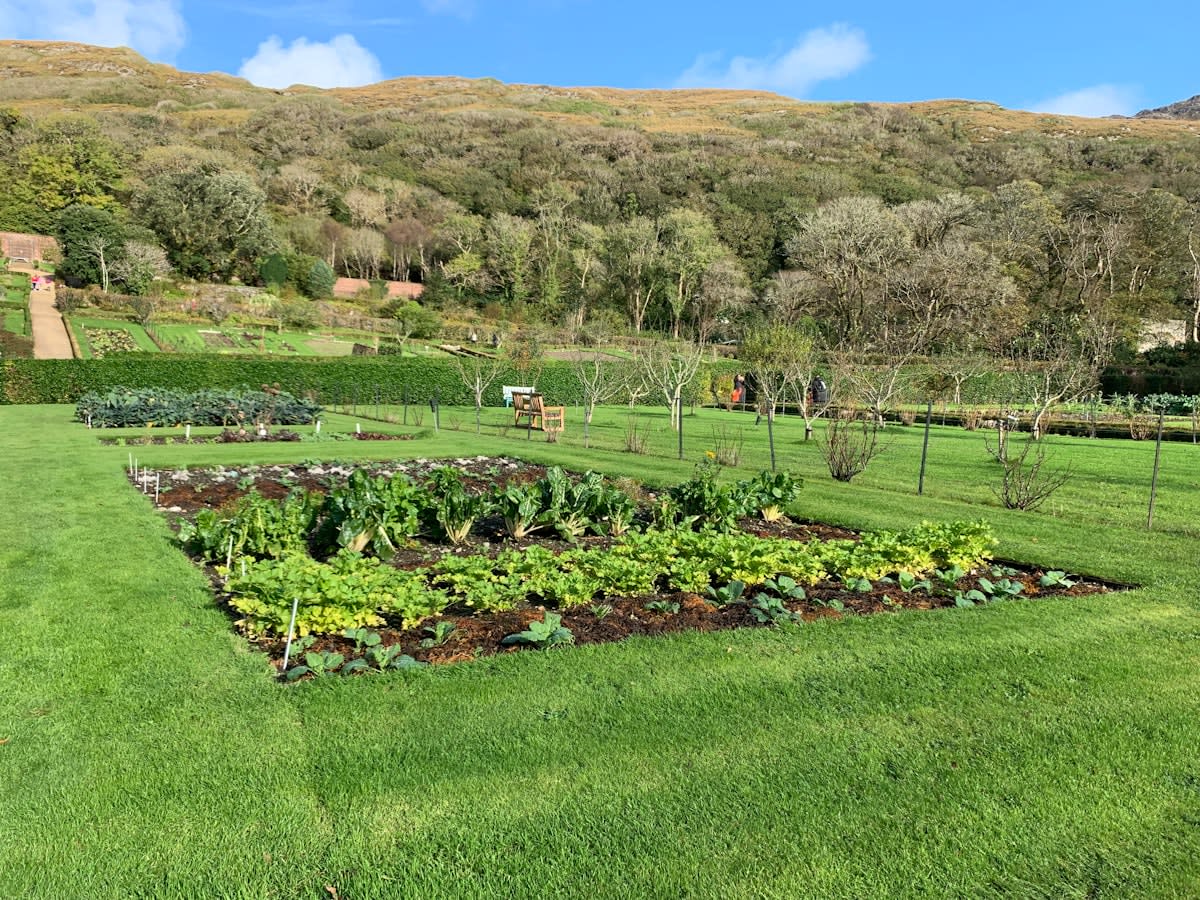
Equipping yourself with the right tools is only half the battle. The other half is the mindset of a practitioner. You must be willing to fail fast and iterate. If a specific variety of kale bolts in three days under your sun, don't fight it—find a variety that evolved in the high altitudes of the Andes or the arid plains of Central Asia. Adaptation is the only constant in a shifting climate.
Step-by-Step: Building the Foundation
- Map Your Microclimates: Spend one full week observing your land. Mark where the sun hits at 10 AM versus 4 PM. Identify where water naturally pools after a rain. These observations dictate where you place your thirstiest crops and where your sun-loving perennials will thrive.
- Engineer Your Soil Alchemy: Stop tilling. Tilling destroys the fungal networks (mycorrhizae) that transport nutrients to roots. Instead, use 'no-dig' methods. Layer organic matter—compost, aged manure, and biochar—directly on top of the soil. Biochar is a game-changer here; it acts as a permanent coral reef for microbes, increasing water retention by up to 30% in sandy soils.
- Establish Water Sovereignty: In unfriendly climates, water is gold. Implement swales—shallow trenches dug on contour—to slow, spread, and sink rainwater into the aquifer rather than letting it run off. For targeted irrigation, use ollas (unglazed terracotta pots buried in the ground). This ancient technique reduces water waste by 40% compared to surface watering by delivering moisture directly to the root zone via capillary action.
- Select for Stress-Tolerance: Prioritize landraces and heirloom varieties. These seeds carry the genetic memory of survival. Look for 'drought-tolerant' or 'salt-tolerant' markers. Mix your crops: intersperse nitrogen-fixing legumes with heavy-feeding brassicas to create a self-fertilizing loop.
- Implement the Guild System: Move away from monoculture rows. Plant in guilds—clusters of mutually beneficial plants. For example, pair a fruit tree (the canopy) with comfrey (the nutrient miner), garlic (the pest repellent), and clover (the nitrogen fixer). This mimics a natural forest edge, reducing the need for external inputs.
Once the infrastructure is in place, the focus shifts to the invisible war happening beneath the surface. Nutrient density is not about adding N-P-K (Nitrogen, Phosphorus, Potassium) fertilizers; it is about fostering a biological community. When you support a diverse microbiome, the plants can access trace minerals—zinc, magnesium, selenium—that are often locked in the soil. This is the difference between a plant that looks healthy and a plant that is nutritionally dense.
The Synthetic Trap
Avoid the temptation to use synthetic fertilizers. While they provide a quick growth spurt, they sterilize the soil and weaken the plant's immune system, making it more susceptible to the very climatic stresses you are trying to overcome.
The transition from a struggling plot to a resilient garden is often non-linear. You will experience setbacks, but the data suggests that regenerative systems eventually outperform industrial ones in stability. By focusing on soil carbon, you create a buffer against both drought and flood.
| Metric | Conventional Gardening | Resilience Gardening |
|---|---|---|
| Water Usage | High (Surface Irrigation) | Low (Swales/Ollas/Mulch) |
| Soil Structure | Degraded (Tilled) | Regenerative (No-Dig) |
| Nutrient Source | Synthetic Inputs | Biological Cycling |
| Crop Diversity | Monoculture Rows | Polyculture Guilds |
| Climate Response | Fragile/Dependent | Adaptive/Autonomous |
As the table illustrates, the resilience model replaces external dependence with internal efficiency. In a world where supply chains for fertilizers and seeds are increasingly volatile, this autonomy is a strategic advantage. You are not just growing food; you are building a biological insurance policy.
"The soil is not a medium for holding plants; it is a living organism. When we feed the soil, the soil feeds the plant, and the plant feeds the human."— Regenerative Agriculture Expert

The Minefield: Common Pitfalls
The most common mistake is the 'Quick Fix' fallacy. Many beginners attempt to solve a systemic soil problem with a liquid fertilizer. This is like giving a starving person a sugar pill instead of a meal. If your plants are yellowing, don't just add nitrogen; ask why the plant cannot access the nitrogen already present in the soil. Is the pH too high? Is the soil too compacted for roots to penetrate? Solve the cause, not the symptom.
Another frequent error is ignoring local indigenous wisdom. For centuries, people in unfriendly climates have developed sophisticated ways to grow food. Whether it is the chinampas of Mexico or the terrace farming of the Philippines, these methods are grounded in thousands of years of empirical data. Discarding this knowledge in favor of a generic online guide is a recipe for failure. Seek out the elders and the local farmers who have survived the worst droughts of the last fifty years.
Finally, beware of over-engineering. While swales and biochar are powerful, the most resilient gardens are those that remain flexible. Do not lock yourself into a rigid design. Leave room for the garden to evolve. The most successful practitioners are those who can pivot their strategy based on the real-time feedback of the plants. If the wind shifts or a new pest arrives, your system must be modular enough to adapt without collapsing.