Most people view a pantry as a place to store a few cans of soup and some pasta. This is a fundamental misunderstanding of food security. In a global economy defined by just-in-time logistics, your kitchen is the final link in a fragile chain stretching across oceans and continents. When a single shipping lane chokes or a regional harvest fails, the volatility hits the consumer instantly. Why rely on a system that optimizes for efficiency over resilience? Building a resilience pantry is not about fearing a collapse; it is about designing a personal buffer that allows you to ignore the noise of market fluctuations and supply shocks.
True resilience is not found in a mountain of identical cans, but in a diversified portfolio of nutrients. We are seeing a global shift where households in cities from Singapore to Sao Paulo are reclaiming basic preservation skills. This isn't a regression to the past; it is a sophisticated adaptation to a volatile present. By treating your food storage as a strategic reserve, you transform your home from a passive consumption point into an active node of stability. Do you actually know how many days of caloric autonomy you possess right now? For most, the answer is less than seventy-two hours.
Prerequisites: The Resilience Toolkit
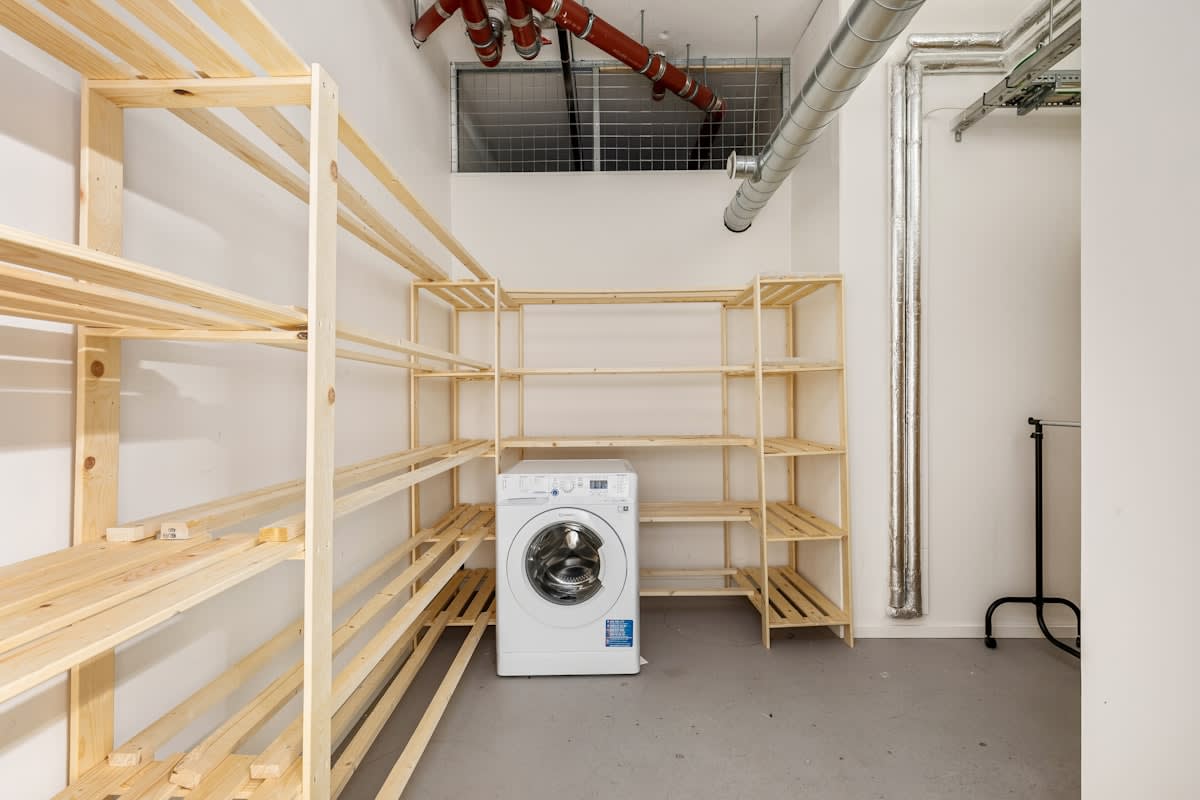
Before you buy a single bag of grain, you need the infrastructure to support it. Storage is not just about space; it is about the management of moisture, oxygen, and temperature. If you store legumes in a humid basement without proper sealing, you aren't building a reserve—you are growing mold. You need a dedicated, cool, dry environment. This could be a repurposed closet, a basement corner, or a dedicated shelving unit in a utility room. The goal is to minimize temperature swings, which are the primary enemy of long-term food stability.
- Airtight containers: Food-grade Mylar bags or BPA-free plastic bins with gasket seals.
- Oxygen absorbers: Small packets used to remove O2 from sealed containers to prevent oxidation and pest infestation.
- Digital scale: For precise caloric auditing and portioning.
- Inventory log: A simple spreadsheet or notebook to track purchase dates and expiration markers.
- Temperature and humidity monitor: A basic hygrometer to ensure your storage environment stays below 20% humidity.
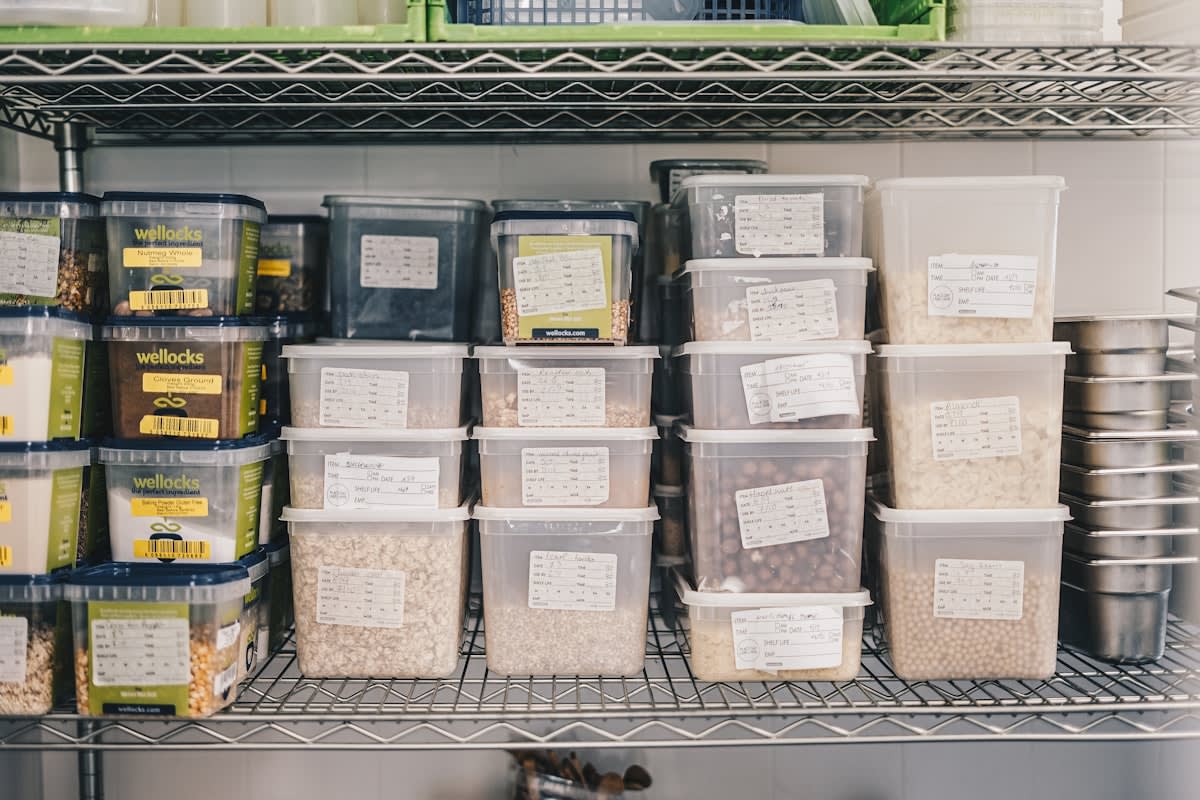
Once the hardware is in place, the strategy shifts to the software: your nutritional logic. Many amateurs make the mistake of buying what they like to eat rather than what they need to survive. There is a massive difference between a comfort-food hoard and a resilience pantry. The former provides psychological solace for a week; the latter provides biological fuel for months. You must prioritize caloric density and micronutrient diversity. This means focusing on the 'Big Three': grains, legumes, and healthy fats, while supplementing with preserved vitamins.
Step-by-Step Implementation
- Conduct a Nutritional Audit: Calculate the daily caloric requirements for every member of your household. On average, an adult requires 2,000 to 2,500 calories. Multiply this by your target resilience window (e.g., 30, 60, or 90 days). This gives you a hard number of calories you need to secure, preventing over-purchasing of low-calorie fillers.
- Establish Tiered Storage: Divide your pantry into three zones. Tier 1 is your working pantry (weekly groceries). Tier 2 is your buffer (a 30-day supply of staples). Tier 3 is your deep reserve (a 3-6 month supply of long-term staples like white rice, hard red wheat, and dried beans). This prevents you from eating into your reserves during normal times.
- Source Strategically and Locally: Avoid the trap of relying on a single big-box retailer. Diversify your sources. Buy grains in bulk from wholesalers, but source seasonal produce from local farmers' markets. In regions like Southeast Asia, this might mean buying rice during the peak harvest; in Europe, it might mean securing root vegetables in autumn.
- Implement Preservation Protocols: Move beyond the can. Learn the art of dehydration for fruits and vegetables, fermentation for probiotics (think Korean Kimchi or German Sauerkraut), and pressure canning for meats and low-acid vegetables. These methods increase the nutrient density of your store and reduce reliance on industrial processing.
- Activate the Rotation Engine: Implement a strict First-In, First-Out (FIFO) system. New acquisitions go to the back; older stock moves to the front. This ensures that nothing expires on the shelf and that your deep reserve is constantly refreshed. If you don't eat from your reserve, you don't actually have a reserve—you have a museum of old food.
The transition from purchasing to preserving is where most people fail. They rely entirely on store-bought canned goods, which are often laden with sodium and preservatives to extend shelf life. While convenient, these are not the foundation of a high-performance system. By integrating home preservation, you capture the peak nutritional value of seasonal gluts. For example, drying mangoes in the tropics or preserving berries in the north allows you to maintain micronutrient intake throughout the year, shielding your health from the 'hidden hunger' of calorie-rich but nutrient-poor diets.
The Sustainability Angle
The 30% Rule: Globally, approximately 30% of all food produced is wasted. By building a resilience pantry, you aren't just protecting yourself; you are actively reducing systemic waste by capturing surpluses before they hit the landfill.
Let's talk about the math of survival. A pound of dried lentils provides roughly 1,600 calories and 115 grams of protein. Compare that to a pound of processed snacks, which offer empty calories and zero systemic value. When you optimize for density, your storage footprint shrinks, and your resilience increases. This is the difference between a cluttered garage and a professional-grade food system. The goal is maximum biological utility per square inch of storage space.
| Storage Method | Typical Shelf Life | Nutritional Retention | Primary Risk |
|---|---|---|---|
| Canning (Water Bath) | 1-2 Years | Moderate | Botulism (if improper) |
| Dehydration | 6-12 Months | High | Moisture Re-entry |
| Fermentation | 3-12 Months | Very High | Over-acidification |
| Mylar + Oxygen Absorber | 10-25 Years | Very High | Seal Failure |
Beyond the physical goods, you must cultivate the skill of 'flexible cooking.' A resilience pantry is useless if you only know how to prepare three meals. If your store consists of brown rice, black beans, and dried kale, you need to know how to make those ingredients palatable for ninety days. This requires an investment in spices and condiments—the 'force multipliers' of flavor. Cumin, smoked paprika, soy sauce, and vinegar are low-volume, high-impact additions that prevent palate fatigue and maintain psychological morale during periods of restricted variety.

"Resilience is not the ability to withstand a blow, but the capacity to absorb it and keep functioning. In the context of food, this means moving from a state of dependency to a state of strategic autonomy."— Industry Standard on Systemic Resilience
Common Pitfalls to Avoid
The most common error is the 'Panic Purchase.' This occurs when a person buys 50 cases of a single item because it was on sale or because they feared a shortage. This creates a logistical nightmare and leads to massive waste when the product expires before it can be rotated. Avoid the allure of the bulk deal if the item doesn't fit into your nutritional audit. A sale on canned peaches is irrelevant if you already have a six-month supply of fruit; it is a waste of capital and space.
Another frequent mistake is ignoring the 'water-energy nexus.' You can have ten tons of dried beans, but they are useless if you have no way to soften and cook them. If your food system relies entirely on electricity (freezers and electric stoves), your resilience is an illusion. Ensure you have a secondary heating method—be it a camping stove, a solar oven, or a traditional wood-fire setup. Calculate the fuel required to process your stored food; otherwise, you have simply stored raw materials, not food.
Finally, beware of the 'Set and Forget' mentality. A resilience pantry is a living system, not a static hoard. Without quarterly audits and rotation, your inventory will degrade. Pests, temperature fluctuations, and simple forgetfulness can erode your security. Treat your pantry like a financial portfolio: review it, rebalance it, and ensure it is aligned with your current needs. The moment you stop managing the system is the moment the system begins to fail.