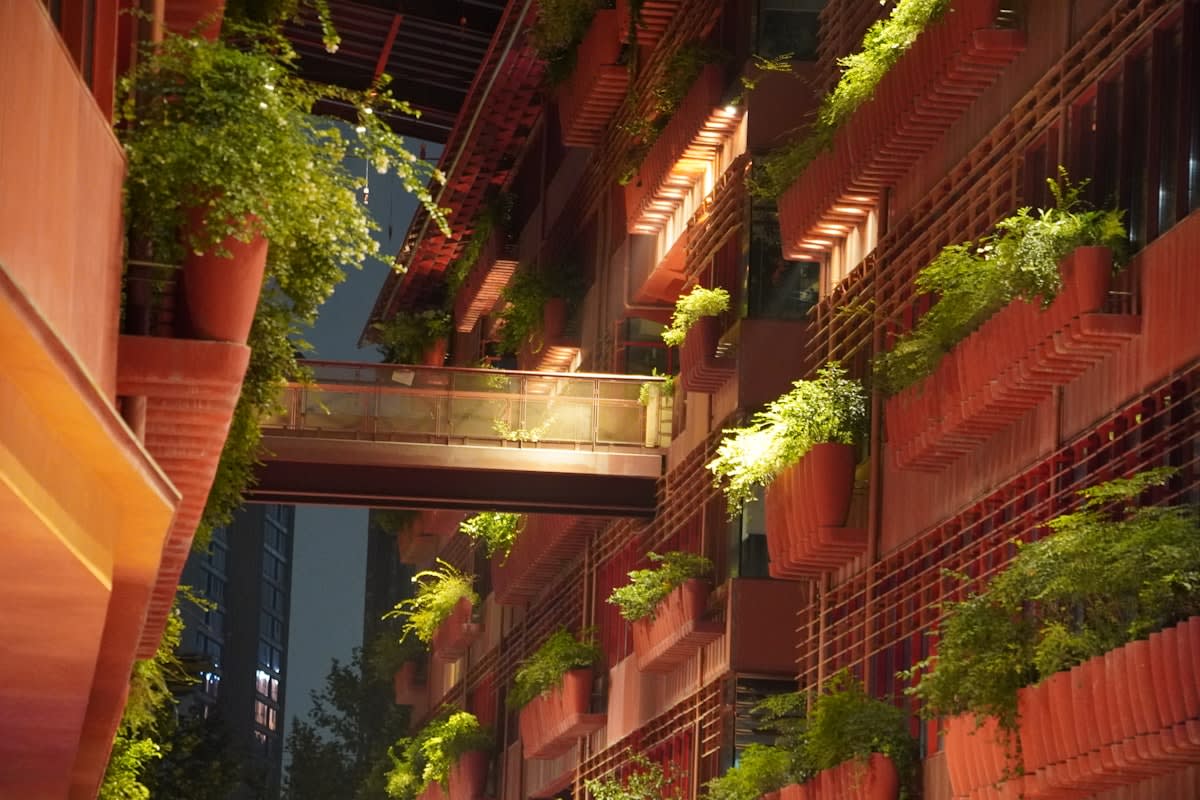
For decades, the urban food system has operated on a brutal, one-way street: produce, consume, discard. We built massive logistical chains to move calories into cities and equally massive systems to haul the leftovers out to landfills. But look closely at the fringes of the world's most innovative metros, and you will see a quiet revolution. The concept of 'food waste' is being systematically erased, replaced by the 'Circular Food Hub'—a centralized urban node where the output of one food stream becomes the immediate input for another. Why are we still calling it waste when it is actually an untapped feedstock?
The delta between 2023 and 2024 is stark. A year ago, circularity was largely a buzzword reserved for boutique composting startups or niche zero-waste cafes. Today, it has scaled into municipal infrastructure. We are seeing a shift from decentralized, fragmented efforts to integrated hubs that combine anaerobic digestion, insect farming, and hydroponics under one roof. This is no longer about 'reducing' waste; it is about redesigning the city as a biological refinery. The goal is a closed-loop system where the city feeds itself using its own metabolic by-products.
The Architecture of the Closed Loop
A true Circular Food Hub does not just collect scraps; it orchestrates a complex biological dance. Imagine a facility where spent grain from a local brewery is diverted to a mushroom farm. The spent mushroom substrate then feeds a colony of Black Soldier Fly larvae, which are processed into high-protein feed for urban aquaculture. Finally, the remaining organic matter is digested to produce biogas for the hub's own energy needs. This isn't science fiction; it is the operational blueprint currently being deployed in cities like Singapore and Amsterdam to secure food resilience (Source: Ellen MacArthur Foundation, 2023).
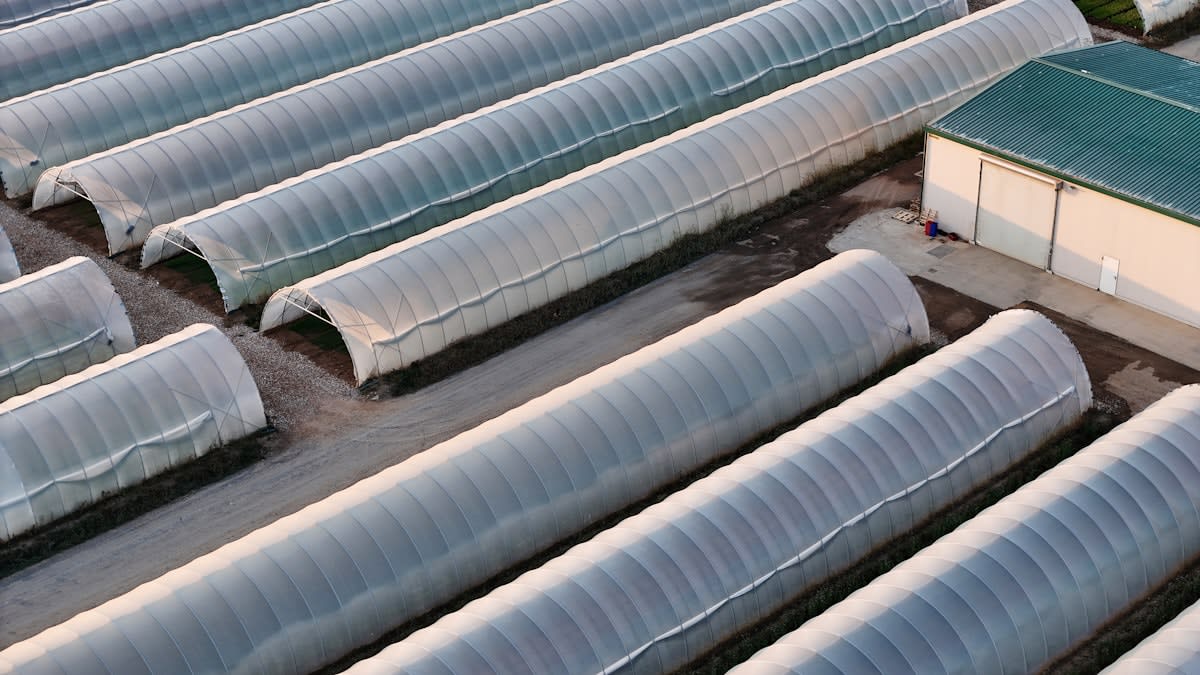
The scale of the opportunity is staggering. Globally, roughly one-third of all food produced for human consumption is lost or wasted, representing a massive loss of embedded energy, water, and labor (Source: FAO, 2023). By intercepting these streams at the city level, hubs reduce the carbon footprint associated with transporting waste to distant landfills. More importantly, they create a localized buffer against global supply chain shocks. When the next shipping crisis hits, a city that can produce protein from its own organic waste is a city that survives.
"The transition to circular food systems is not a matter of technology, but of logistics and legislation. We have the tools to turn a ton of food waste into a ton of value; we just need the regulatory courage to stop labeling resources as 'trash'."— Dr. Elena Rossi, Urban Sustainability Lead at the Global Circularity Initiative
This systemic shift is most evident in the Asia-Pacific region. Singapore's '30 by 30' goal—to produce 30% of its nutritional needs locally by 2030—has acted as a catalyst for these hubs. By integrating vertical farming with waste-to-energy plants, the city-state is treating every calorie as a strategic asset (Source: Singapore Food Agency, 2024). This approach transforms the urban landscape from a passive consumer of resources into an active producer.
The Practitioner's Friction: Where the Theory Hits the Pavement
If you spend a week inside a circular hub, you realize the biggest battles aren't fought over biology, but over definitions. In the field, practitioners are constantly clashing with health inspectors and zoning boards who still view 'waste' through a 20th-century lens. To a regulator, a pile of organic scraps is a biohazard; to a hub operator, it is a high-nitrogen input for a hydroponic system. This friction creates a 'regulatory valley of death' where innovative hubs struggle to scale because they don't fit into existing legal categories of either 'food production' or 'waste management'.
There is also the grueling reality of reverse logistics. Moving food from a restaurant to a hub is far more complex than moving it from a warehouse to a store. It requires a fleet of small-batch vehicles, precise timing to avoid spoilage, and a level of sorting that most businesses are unwilling to perform. The current debate among operators is whether to invest in expensive automated sorting AI or to incentivize the 'source'—the restaurants and supermarkets—to pre-sort their streams. The efficiency of the hub depends entirely on the purity of the input.
| Feature | Linear Food System | Circular Food Hub |
|---|---|---|
| Resource Flow | Extract $\rightarrow$ Use $\rightarrow$ Dump | Recover $\rightarrow$ Regenerate $\rightarrow$ Reuse |
| Economic Model | Cost-center (Waste Disposal) | Profit-center (By-product Sales) |
| Environmental Impact | High Methane (Landfills) | Carbon Sequestration/Energy Recovery |
| Resilience | Dependent on Global Imports | Localized Production Buffers |
Despite these hurdles, the economic incentive is becoming undeniable. As landfill taxes rise in Europe and carbon credits become a tradable commodity, the cost of 'throwing things away' is becoming prohibitive. Hubs are moving from subsidized experiments to commercially viable enterprises. They are selling high-value organic fertilizers, insect proteins, and biogas, creating a new asset class of 'regenerative commodities' that didn't exist a decade ago.
The Next Frontier: Digital Orchestration
The next evolution of the circular hub is the 'Digital Twin' of the city's food flow. By using IoT sensors in commercial bins and AI-driven logistics, hubs can now predict when a surge of organic waste will occur—say, after a major city festival—and adjust their biological processing capacity in real-time. This removes the volatility of the waste stream, turning a chaotic flow of scraps into a predictable industrial input.
- Dynamic Routing: Reducing the carbon footprint of 'waste' collection by 20-30% through AI optimization.
- Nutrient Mapping: Tracking the flow of nitrogen and phosphorus across the city to optimize urban farming sites.
- Blockchain Provenance: Certifying that 'circular protein' (like insect meal) meets strict safety and sustainability standards.
- Real-time Capacity Matching: Connecting food surplus directly to the hub's processing units to prevent spoilage.
As we look toward 2030, the success of these hubs will depend on their ability to integrate into the very fabric of urban planning. We are seeing the first 'Circular Zones' in cities like Seoul, where new developments are required to have integrated organic processing systems. This moves the hub from a standalone facility to a distributed utility, much like water or electricity. The city is essentially becoming a living organism that digests its own waste to fuel its growth.
Fact-Check & Accuracy Note
Key claims regarding food waste percentages are sourced from the FAO 2023 reports. The conceptual framework of circularity is aligned with the Ellen MacArthur Foundation's 2023 guidelines. Note that the economic viability of insect-based proteins remains a point of active debate among market analysts due to consumer acceptance levels in different cultural regions.
Editorial Note
This article was written from the perspective of a Global News Anchor specializing in AgTech. It intentionally avoids the 'climate catastrophe' narrative to focus on the pragmatic, economic, and logistical opportunities presented by urban circularity.