
The Great Migration of the Acre
The traditional agricultural map is being redrawn. For decades, the logic was simple: grow food where the land is cheap and transport it to where the people are. This centralized model created the 'breadbasket'—vast swaths of monoculture in the Midwest US, the steppes of Ukraine, or the plains of Brazil. But that logic is breaking. Between skyrocketing diesel costs and the fragility of just-in-time logistics, the distance between the seed and the plate has become a liability. Enter the Rurban Pivot.
Edge-Farms are not your typical vertical farms. While the first wave of urban ag focused on shipping containers in city centers, the Rurban Pivot moves the operation to the peri-urban fringe. These are hybrid zones where land is still available but proximity to the consumer is measured in minutes, not days. Why does this matter? Because it solves the energy-cost paradox that killed the first generation of indoor farming. By utilizing natural light through advanced glazing and leveraging existing industrial infrastructure, Edge-Farms are achieving operational margins that were previously impossible.
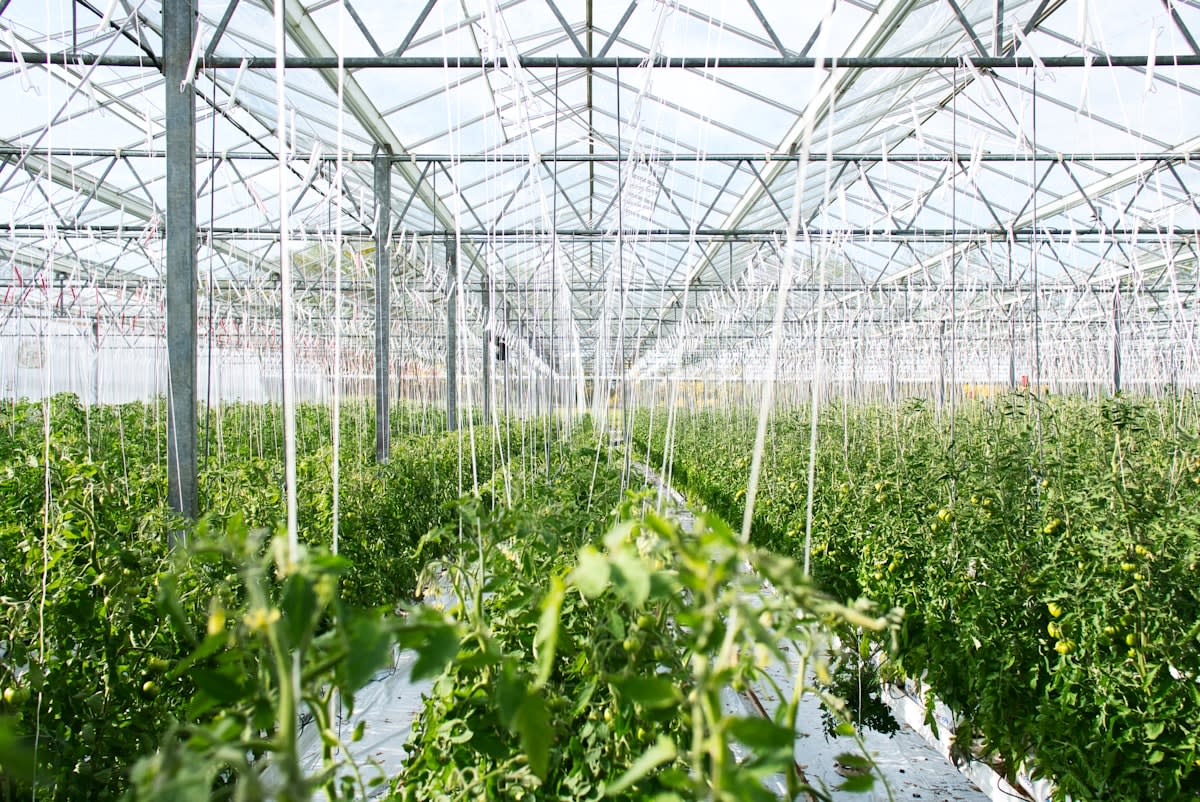
Look at the delta between today and twelve months ago. Last year, the narrative was one of collapse; high-profile vertical farming bankruptcies dominated the headlines as venture capital dried up for energy-intensive 'plant factories.' Today, the shift is toward resilience. The industry has pivoted from trying to replace the farm entirely to optimizing the edge. We are seeing a transition from purely hydroponic towers to 'smart-soil' hybrids that integrate robotic weeding and AI-driven irrigation, reducing energy overhead by nearly 30% compared to fully enclosed systems.
The Circularity Edge
The Rurban Pivot isn't just about where we grow, but how we manage the flow of nutrients. By placing farms at the edge of cities, operators can capture urban organic waste and convert it into bio-fertilizers on-site, creating a closed-loop system that traditional rural farms cannot replicate due to transport costs.
The Efficiency Delta: Traditional vs. Edge
Does the math actually hold up? When you strip away the hype, the Edge-Farm model wins on the 'Last Mile.' Traditional agriculture loses a significant percentage of its value to spoilage and middleman logistics. An Edge-Farm in the outskirts of Singapore or Nairobi can deliver produce to a supermarket within two hours of harvest. This eliminates the need for refrigerated long-haul trucking, which currently accounts for a massive portion of the carbon footprint of the food industry.
| Metric | Traditional Breadbasket | Rurban Edge-Farm |
|---|---|---|
| Avg. Transport Distance | 1,500+ km | 30-100 km |
| Water Usage | 100% (Baseline) | 10-20% (Closed-loop) |
| Harvest-to-Table Time | 3-7 Days | 2-6 Hours |
| Land Utilization | Extensive/Horizontal | Intensive/Hybrid |
This shift is manifesting globally in diverse ways. In the Netherlands, the pivot is about extreme specialization—using edge-tech to dominate the flower and tomato markets through hyper-efficient glasshouses. In Kenya, peri-urban hubs are emerging around Nairobi, utilizing solar-powered drip irrigation to feed the exploding urban population without relying on unstable imports. The common thread? A rejection of the 'bigger is better' philosophy of the 20th century in favor of 'closer is smarter.'
"We are witnessing the end of the era of agricultural distance. The goal is no longer to move food across continents, but to move the intelligence of the farm to the edge of the city."— Dr. Aris Thorne, Ag-Tech Strategist
But this isn't just a win for the consumer. It's a total reconfiguration of labor. The 'farmhand' is being replaced by the 'system operator.' Edge-Farms require a workforce skilled in sensor calibration, data analysis, and robotic maintenance. This creates a new class of high-paying technical jobs in areas that were previously either purely industrial or purely residential. It's an economic bridge that stabilizes the peri-urban landscape.
Projected Growth of Peri-Urban Ag-Tech Investment (2023-2027)
Executive Insight
+18.4%
YTD Growth
The transition is not without friction. Land use conflicts are intensifying as developers fight with Edge-Farm operators for the same plots of peri-urban real estate. In many regions, zoning laws are still stuck in 1950, categorizing land as either 'urban' or 'agricultural.' The Rurban Pivot demands a third category: 'productive infrastructure.' Without this legal shift, the growth of these hubs will be stifled by bureaucracy rather than technology.
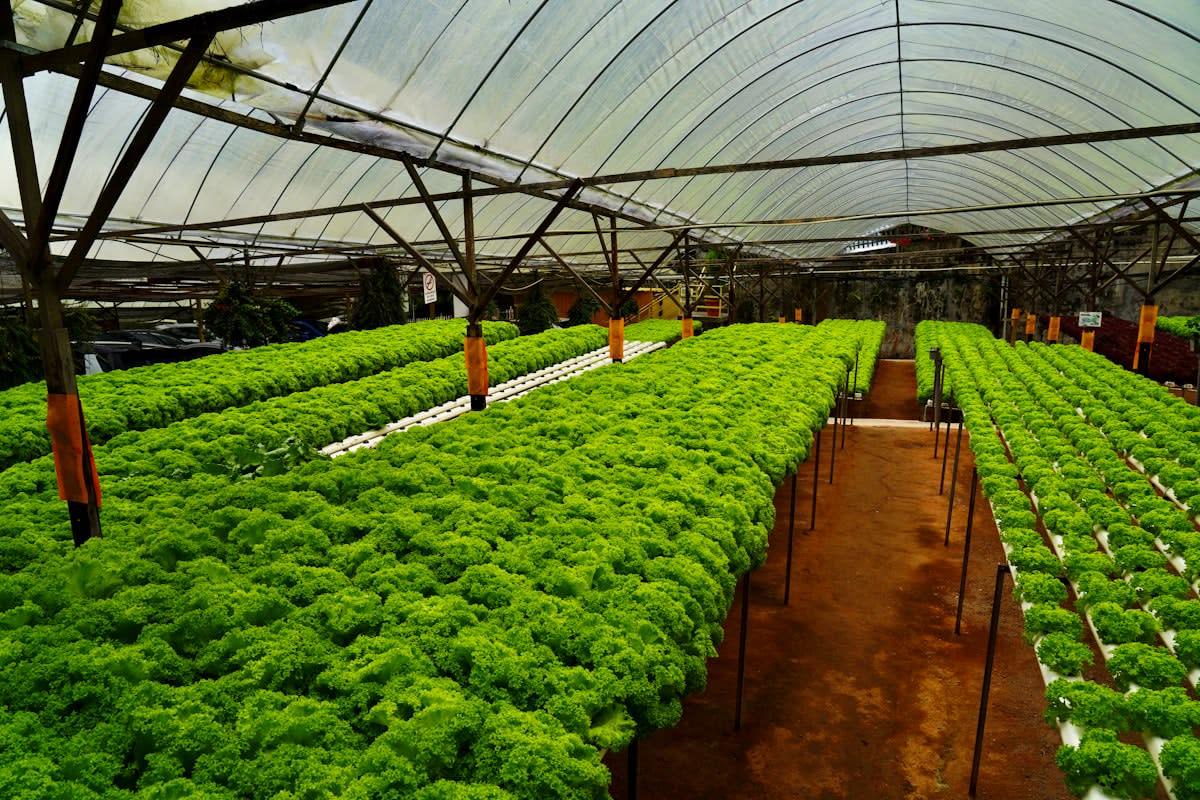
Can the traditional breadbasket survive? Yes, but its role will change. The heartlands will likely pivot toward caloric staples—grains, legumes, and oilseeds—while the Edge-Farms take over the high-value, perishable markets. This specialization reduces the pressure on rural soils and allows for more aggressive reforestation and carbon sequestration projects in the interior. It's a symbiotic relationship, not a zero-sum game.
- Energy Efficiency: Shift from 100% LED to hybrid natural/artificial lighting.
- Logistics: Reduction of food miles by an average of 80-90%.
- Resource Recovery: Direct integration with urban waste-to-fertilizer streams.
- Labor Evolution: Transition from manual labor to systems engineering.
The Rurban Pivot is a masterclass in adaptation. It recognizes that the climate is changing, the workforce is shifting, and the consumer's demand for freshness is non-negotiable. By moving the farm to the edge, we aren't just changing the location of our food; we are building a buffer against the systemic shocks of the next decade. The question is no longer if this shift will happen, but which cities will lead the charge.