
Saffron Pricing Defies Logic
Saffron pricing defies logic. 170,000 flowers produce one kilogram. This extreme ratio explains the baseline cost. Every single thread is a stigma that must be plucked by hand. Machines cannot replicate this precision without destroying the flower (Source: Localize, Instagram). The labor is relentless and requires a level of manual dexterity that few other crops demand.
Market volatility further inflates these prices. In the broader spice sector, weather disruptions can trigger 10-20% seasonal price movements in individual commodities (Source: Congruence Market Insights, 2026). Saffron, being an agricultural product, is subject to these same environmental shocks. When a harvest fails in a primary hub, the global price spikes instantly due to the lack of synthetic alternatives.
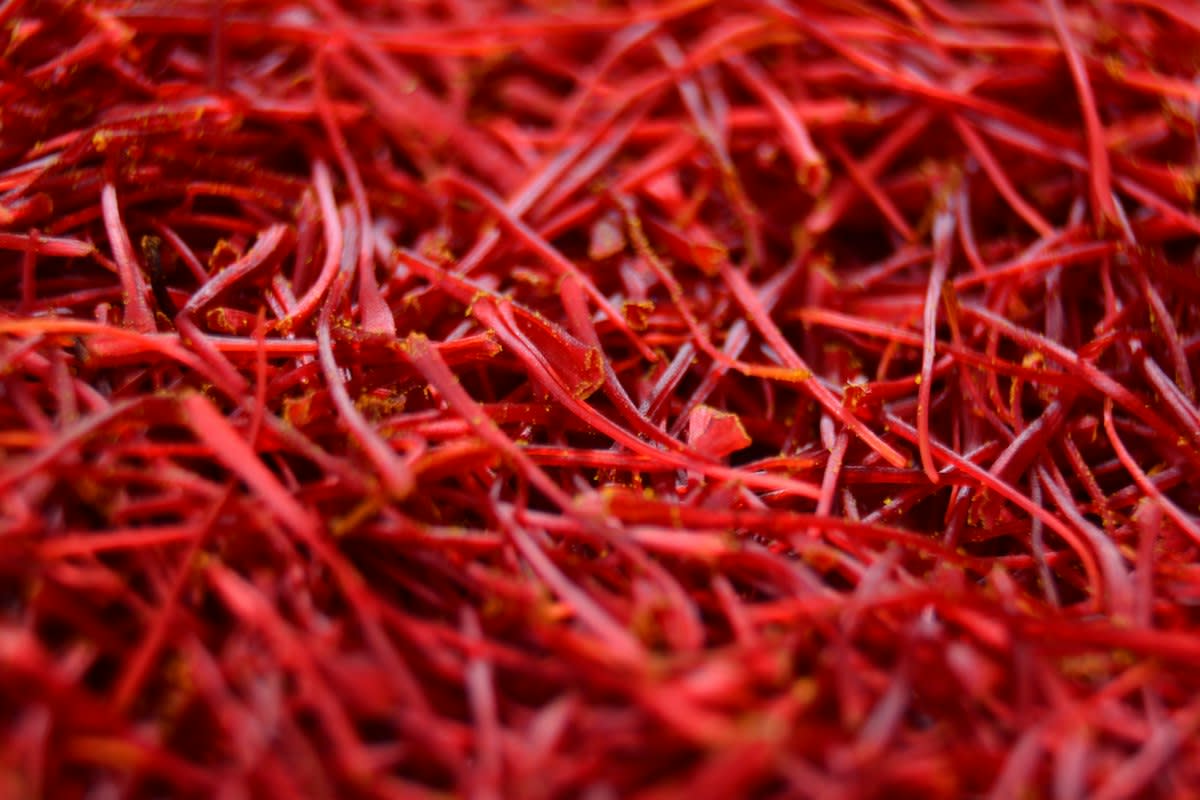
Prerequisites for Verification
To verify saffron quality, you need a specific toolkit. A high-intensity LED lamp reveals the distinct trumpet shape of the stigma. Distilled water is required for the bleeding test to ensure the color is natural. A precision digital scale ensures you are not paying for moisture weight. These tools prevent the purchase of dyed corn silk or other adulterants.
- Visual Inspection: Use a lamp to check for a trumpet-shaped top; straight threads are often fake.
- Scent Analysis: Identify the copper-scented aroma; a hay-like or chemical smell indicates fraud.
- The Bleeding Test: Place a thread in distilled water; real saffron releases color slowly, while fakes bleed instantly.
- Price Benchmarking: Compare the quote against the current global market indices for Grade A threads.
Identifying real saffron requires a skeptical eye. Many buyers trust labels, but the reality is that this spice is one of the most counterfeited foods on earth (Source: Localize, Instagram). Cheap threads are often dyed plant fibers with no saffron at all. Without the proper tools, the difference between a luxury spice and dyed corn silk is nearly invisible to the untrained eye.
The Global Supply Engine
India dominates the processing hub. 45% of global spice production happens here (Source: Congruence Market Insights, 2026). The infrastructure in Mumbai handles massive volumes of these high-value goods. India exported 4.43 billion USD in spices and spice products during 2025-26, including oils and oleoresins (Source: Coherent Market Insights, 2026). This scale creates a center of gravity for global pricing.
"The thing that has stayed the same is that geopolitics continue to be the biggest factor driving global fertilizer markets supply and demand."— Corey Rosenbusch, CEO of The Fertilizer Institute
Geopolitical risk drives the cost of growth. The 2026 Iran war restricted the flow of nitrogen and phosphate through the Strait of Hormuz (Source: Lancaster Farming, 2026). While this hit corn and soybean growers hard, the ripple effect increases variable costs for all farmers. Some report costs rising by 30 dollars per acre (Source: Lancaster Farming, 2026). High-value crops like saffron are not immune to these supply chain shocks.
| Cost Driver | Economic Impact | Data Point | Source |
|---|---|---|---|
| Labor | High Baseline Cost | 170k flowers/kg | Localize |
| Market Share | Indian Dominance | 45% Global Share | Congruence Market Insights |
| Input Costs | Geopolitical Risk | +$30/acre variable | Lancaster Farming |
| Procurement | Raw Material Cost | 50-70% of total | Congruence Market Insights |
Processors face massive overhead. Imported raw materials can represent 50-70% of procurement costs for those lacking integrated supply chains (Source: Congruence Market Insights, 2026). This vulnerability makes the final retail price volatile. When shipping routes are disrupted, such as in the Red Sea, the cost of transport adds a layer of expense to an already expensive product.
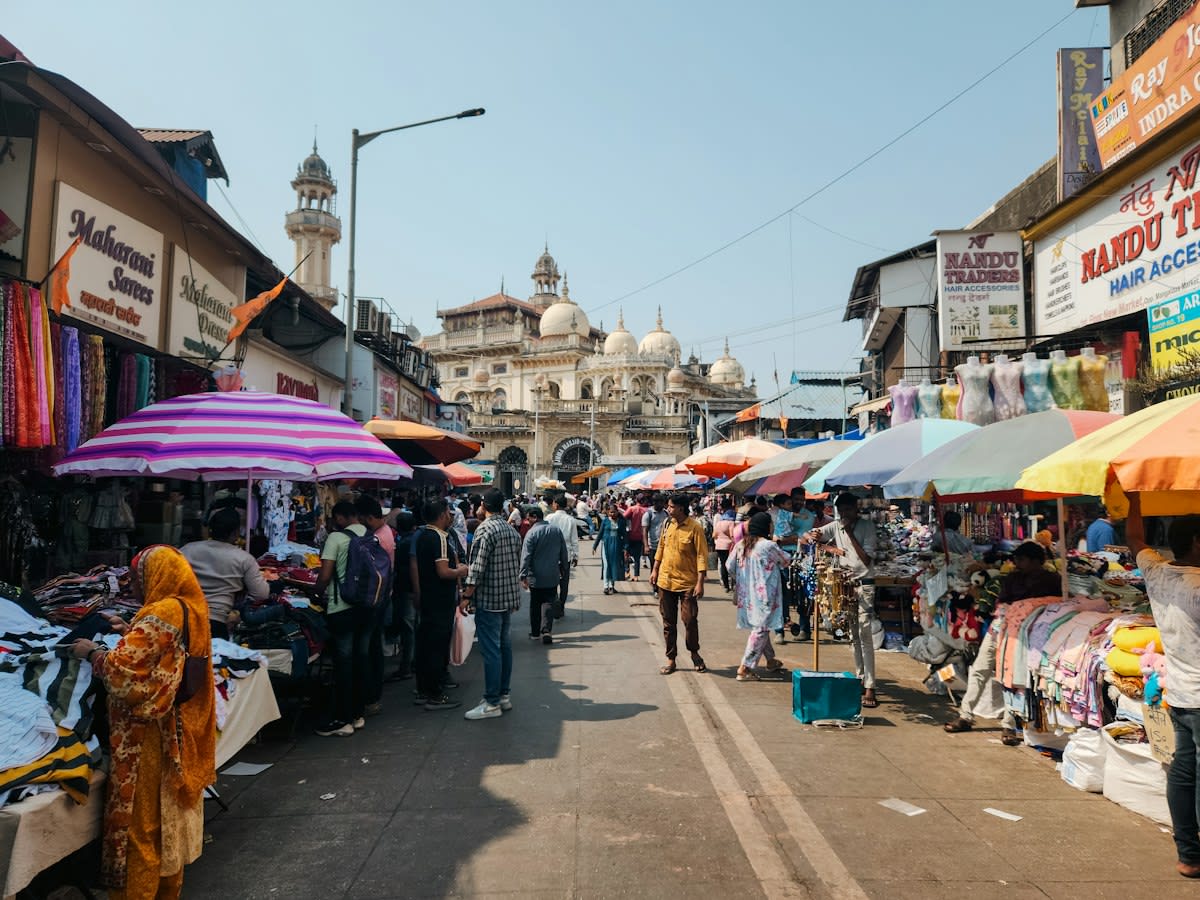
I stood on the concrete-raw floors of a Mumbai warehouse last year. The air was copper-scented and thick with the hum of grease-slicked automated grinding machines. Traders argued over a 20% premium for threads that lacked the sulfur-thick smell of chemical dyes. It is a world of friction where a single mislabeled bag can erase a month of profit. The tension is palpable when verifying the origin of a shipment from a salt-burned coastal port.
Regional diversity also plays a role in the broader spice market. Vietnam, for example, exported 247,482 tons of pepper worth 1.66 billion USD in 2025 (Source: Coherent Market Insights, 2026). This shows the strength of the Asia Pacific region in supplying global exports. While saffron is more niche than pepper, it shares the same reliance on these regional hubs and their stability.
Failure Point
The Visual Trap: Many buyers assume a deep red color indicates quality. In reality, dyed corn silk mimics this hue perfectly. Without a distilled water test, the buyer accepts a fake product as genuine.
Common Pitfalls
- Purchasing saffron that is too cheap to be real; if the price is low, it is likely dyed corn silk.
- Ignoring the scent; real saffron has a distinct, copper-scented profile, not a chemical one.
- Buying from non-traceable sources; without a clear origin, the risk of adulteration increases.
- Assuming red color equals quality; dyes can make low-grade fibers look like premium stigmas.
Fact-Check & Accuracy Note
This guide uses data from 2025 and 2026 reports from Coherent Market Insights, Congruence Market Insights, and Lancaster Farming. All agricultural costs are subject to geopolitical fluctuations in the Strait of Hormuz.