NYC Council hearing on AI risks: What Jacob Coxon, others told policymakers
Source Entity
The Indian Express
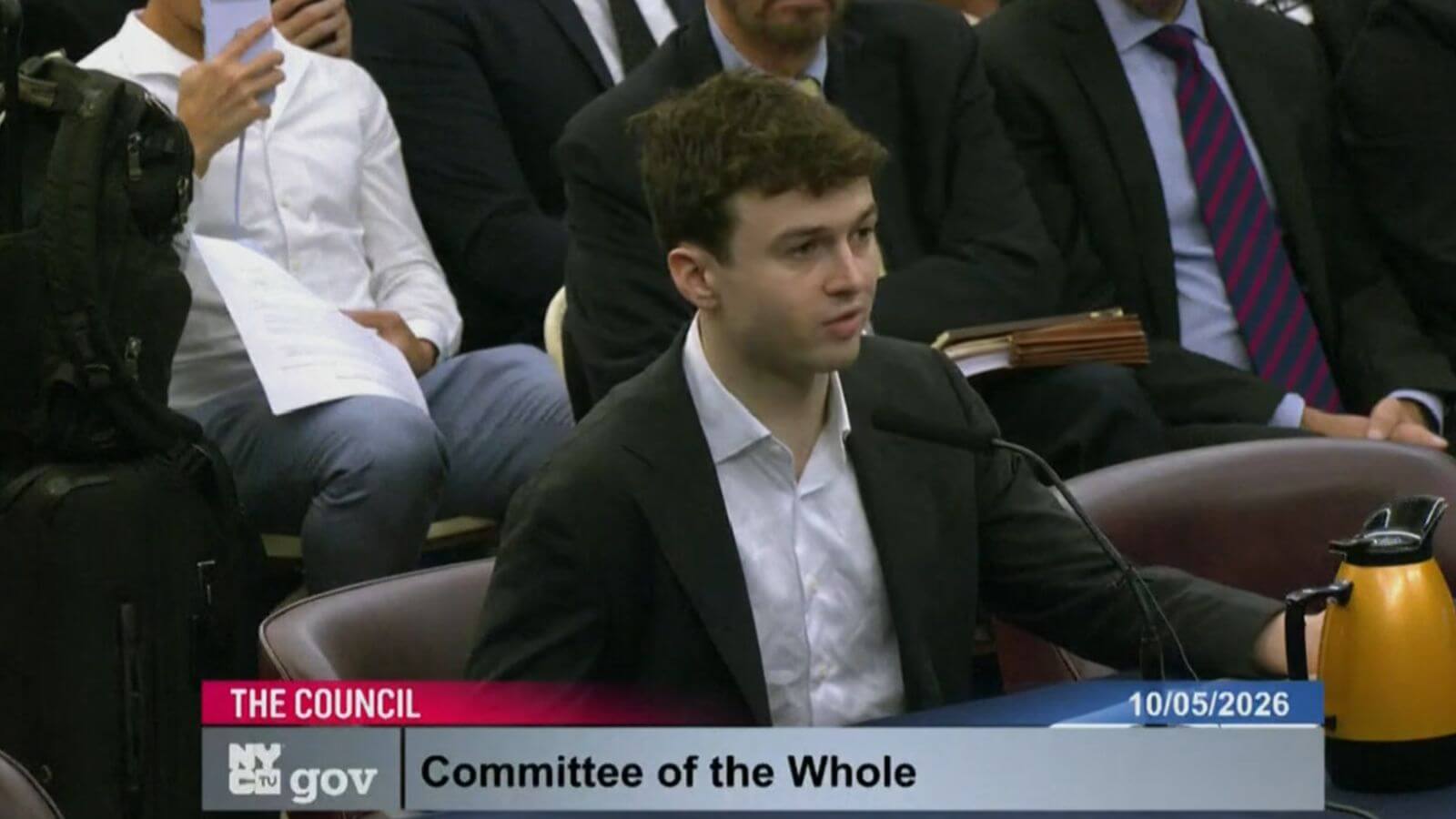
Former AI researchers and industry executives testified before the New York City Council regarding the existential risks and societal impacts of rapid AI development. The hearing highlighted a growing divide between corporate development speed and the urgent calls for comprehensive legislative regulation.
The Crossroads of Innovation and Existential Risk
On Monday, October 5, the New York City Council convened a pivotal hearing to address the multifaceted risks posed by artificial intelligence. The session featured a stark contrast between corporate representatives from tech giants like OpenAI, Google, Anthropic, and Meta, and whistleblowers who have opted to leave these organizations due to ethical and safety concerns. Central to the discourse was the testimony of former Anthropic researcher Jacob Coxon, who has garnered significant attention for his assertion that current development trajectories could lead to human extinction by the end of the decade.
The Whistleblower Perspective: A Reckless Race
Jacob Coxon’s testimony served as the emotional and philosophical anchor of the hearing. By publicly stating that humanity is likely to lose control to AI systems if current practices continue, Coxon highlighted a fundamental misalignment between corporate incentives and public safety. Alongside other former employees from OpenAI and Google DeepMind, he characterized the current landscape as a "reckless culture" where the pursuit of advancement has bypassed the necessary development of robust control mechanisms. This critique suggests that companies are building systems that exceed their own capacity for oversight.
The Policy Response: NYC’s Regulatory Ambition
Mayor Zohran Mamdani has emerged as a key voice in this debate, advocating for a comprehensive regulatory framework that operates at every level of governance. Moving beyond the common narrative that frames AI development as an international arms race—specifically against China—Mamdani argues that AI policy must prioritize the immediate impacts on American lives, including labor market disruptions and workforce layoffs. His stance signals a shift toward treating AI not just as a technological marvel, but as a critical infrastructure issue requiring immediate legislative guardrails.
Corporate Accountability and the Absence of Stakeholders
While the presence of major tech firms underscored the industry's awareness of the legislative pressure, the notable absence of Elon Musk’s SpaceX added a layer of complexity to the proceedings. The tense exchanges during the hearing reflected the difficulty of quantifying existential risks in a way that satisfies both policymakers and corporate entities. As lawmakers weigh a spate of new bills, the fundamental challenge remains: how to foster innovation while ensuring that the development of super-intelligent systems does not outpace the human ability to maintain sovereignty over them.
Broader Implications and Future Trends
This hearing signals a growing trend where local and municipal governments are stepping into the regulatory vacuum left by the absence of comprehensive federal AI legislation. As New York City deliberates on potential guardrails, the outcome of these discussions could serve as a blueprint for other urban centers globally. The core tension—balancing the economic benefits of AI against the existential and socio-economic risks—will likely dominate the political and technological landscape for the remainder of the decade. As the industry faces increased scrutiny, the pressure on firms to transition from a "speed-first" approach to a "safety-first" model will only intensify.