Who owns ‘brain rot’?: inside the international legal drama over a beloved meme
Source Entity
Kari Paul
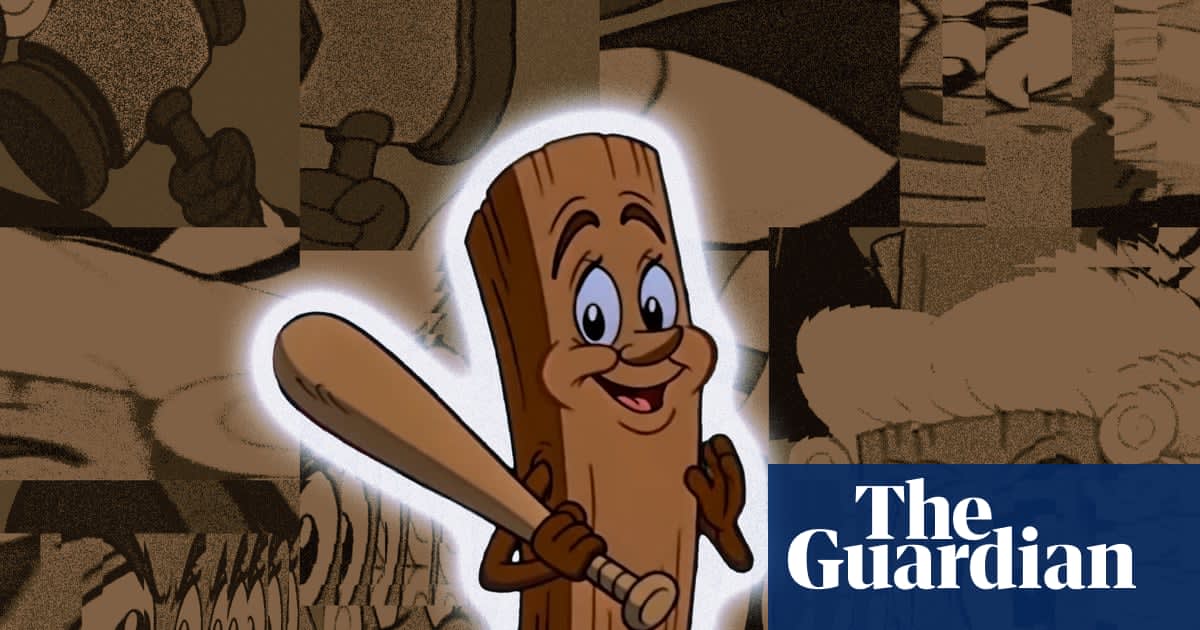
An international legal battle over the 'Triple T' character highlights the complex intersection of AI-generated content and copyright law. The case centers on whether human-conceived memes created via AI tools can be legally protected as intellectual property.
The Legal Frontier of Digital Memes
The emergence of 'Triple T' (Tung Tung Tung Sahur), an anthropomorphized drum character born from the digital ether of Indonesian internet culture, has sparked an unprecedented legal conflict. Created in 2025 by a teenager under the pseudonym 'Noxa' using OpenAI’s image-generation suite, the character has transcended its niche origins in 'Italian brain rot' video trends to become a global viral sensation. This transformation from a localized cultural reference—based on the kentongan drum used during Ramadan—to a worldwide phenomenon has now landed in the center of an international courtroom drama.
The Intersection of Human Creativity and AI
At the heart of this dispute lies the fundamental question of authorship in the age of generative artificial intelligence. Because Triple T was synthesized using AI tools, the case challenges traditional copyright frameworks that have historically required clear human intervention to grant ownership. The legal battle seeks to define the boundary between a user’s creative intent and the autonomous output of an algorithm, potentially setting a precedent that will shape how creators protect their digital assets in the future.
Cultural Significance and Global Virality
Triple T is more than just a viral image; it is an example of how modern internet subcultures bridge vast geographic distances. By blending the specific cultural practice of the pre-dawn sahur meal with the surreal, absurdist aesthetic of 'brain rot' video content, Noxa created a character that resonated with millions on platforms like TikTok and YouTube. This global reach has turned a humble, AI-generated drum into a valuable piece of intellectual property, highlighting the massive economic potential of decentralized digital content.
The 'Brain Rot' Genre and Intellectual Property
'Brain rot' as a genre represents a chaotic, high-turnover style of content creation that thrives on rapid iteration and remixing. However, when characters like Triple T achieve this level of visibility, the demand for copyright protection becomes inevitable. The ongoing litigation serves as a litmus test for whether existing intellectual property laws can accommodate a landscape where the tools of creation are increasingly automated, yet the cultural impact remains deeply human-driven.
Broader Implications for Digital Creators
If the courts rule in favor of the creator, it could embolden a new wave of digital artists to leverage AI as a primary medium for professional character design. Conversely, a ruling against the creator could leave the vast majority of AI-assisted content in the public domain, stripping creators of their ability to monetize or control their work. This case will likely influence future terms of service for major AI platforms, forcing developers to clarify ownership rights for the content generated by their users.
Future Trends in Digital Ownership
Looking ahead, this case will likely accelerate the development of new legal standards regarding 'prompt engineering' as a form of creative expression. As the line between human effort and machine generation blurs, the legal system will be forced to adapt by creating nuance in how we define 'originality.' The resolution of the Triple T saga will serve as a foundational reference point for every digital artist, lawyer, and platform operator navigating the volatile future of internet culture.