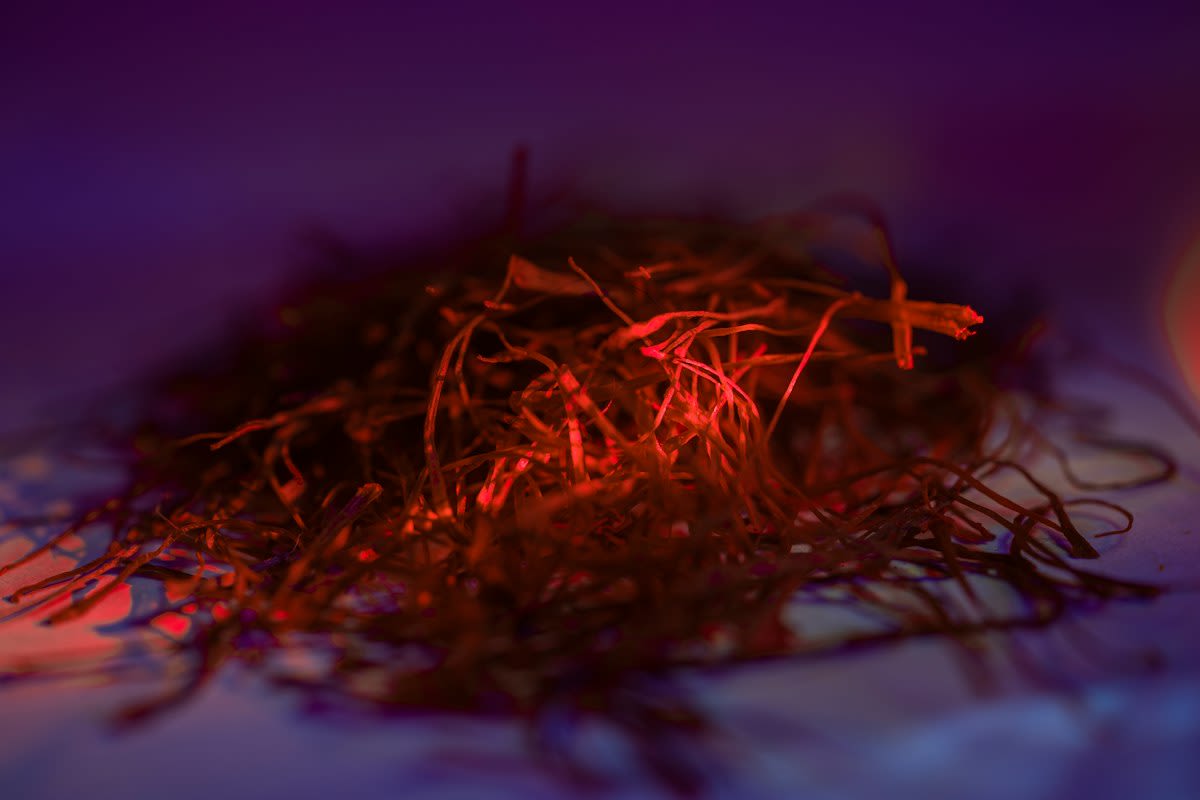
Purity is a fiction. The global saffron trade operates on a fragile agreement where the appearance of red threads often masks a chemical void of crocin and picrocrocin (Source: ISO 3632-1, 2011). Labels mean nothing. If you rely on a certificate of analysis from an unaccredited third-party lab in a low-regulation zone, you are essentially gambling with your capital. Verification is the only currency.
Prerequisites for Purity Auditing
- ISO 3632-1:2011 Standard Documentation: The global benchmark for saffron purity and quality.
- UV-Vis Spectrophotometer: Essential for measuring crocin concentration via absorbance.
- Trained Sensory Panel: Experts capable of distinguishing between safranal-rich authentic threads and synthetic mimics.
- Cold-Chain Logistics Log: Evidence that the product did not suffer thermal degradation during transit from origin.
- HPLC (High-Performance Liquid Chromatography) Access: The only way to definitively isolate picrocrocin from adulterants.
Does a high price guarantee a high crocin count? Rarely. In the terrain of high-value botanicals, the price often reflects the prestige of the origin rather than the chemical potency of the batch. Iran produces roughly 90% of the global supply (Source: FAOSTAT, 2022), yet Spanish exporters often command higher prices by blending and rebranding. This creates a weight in the market where branding overrides biology.
The Verification Process: A Step-by-Step Audit
- Visual Inspection: Examine the stigma under 10x magnification. Authentic saffron must have a trumpet-shaped end; any straight, thin threads indicate the presence of corn silk or safflower.
- The Water Bleed Test: Place a single thread in lukewarm water. Authentic saffron releases a yellow-gold hue slowly, whereas dyed adulterants release a sudden, deep red or orange cloud.
- Chemical Potency Assay: Use a spectrophotometer to measure absorbance at 438nm. This determines the crocin level, which must exceed 250 units for Grade I certification (Source: ISO 3632, 2011).
- Olfactory Validation: Smell the dry threads. The aroma must be hay-like and metallic; a sweet or chemically pungent scent suggests the addition of synthetic safranal.
- Cross-Reference Certification: Verify the lab's accreditation number against the ISO registry to ensure the certificate is not a forged document.
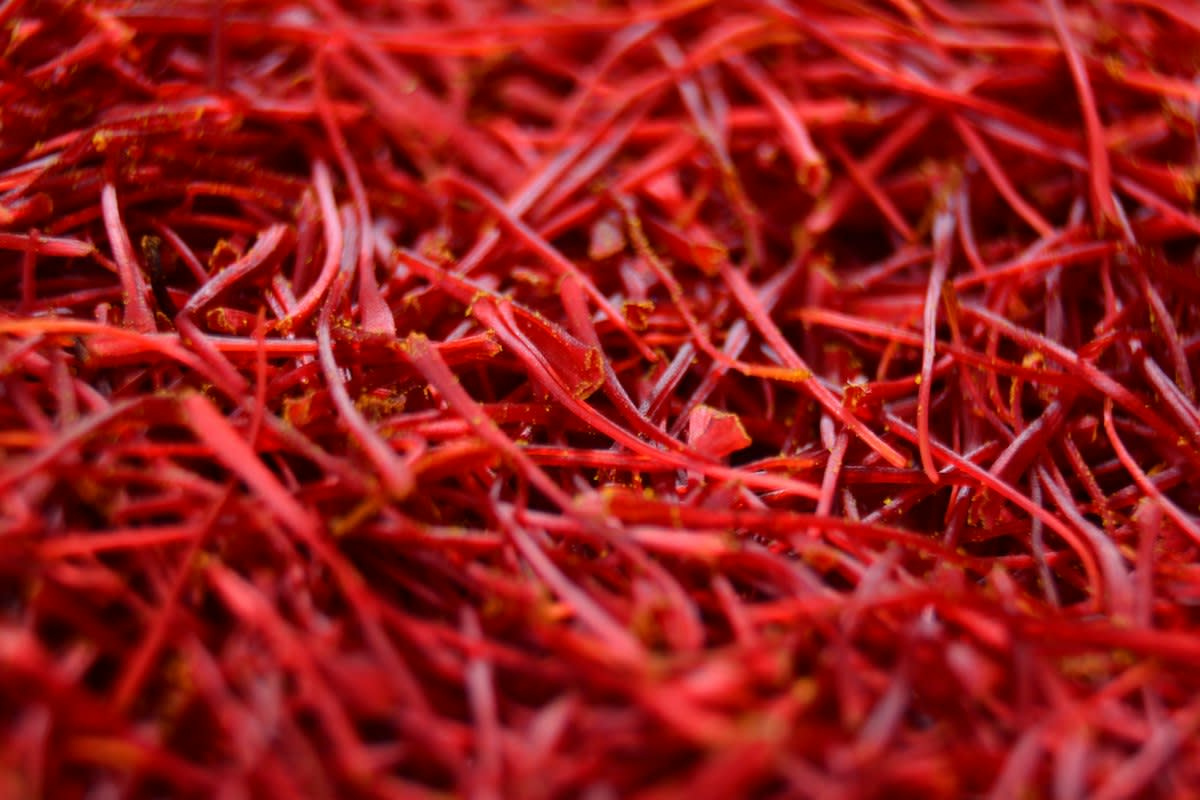
The real fray happens in the grading rooms of Mashhad. Traditional graders swear by the eye test and the scent of a handful of threads, while the new guard demands HPLC printouts to justify a price premium. This clash creates a mechanical failure in pricing; a batch can be perfect to a veteran but substandard to a machine. Who wins? The broker who can manipulate both.
"The industry is currently battling a divide between sensory tradition and chemical precision. We see batches that smell divine but fail the crocin threshold, and others that are chemically potent but lack the aromatic profile required for gourmet applications."— Dr. Arash Mohammadi, Saffron Quality Researcher at Mashhad University
The Power Dynamics of Purity
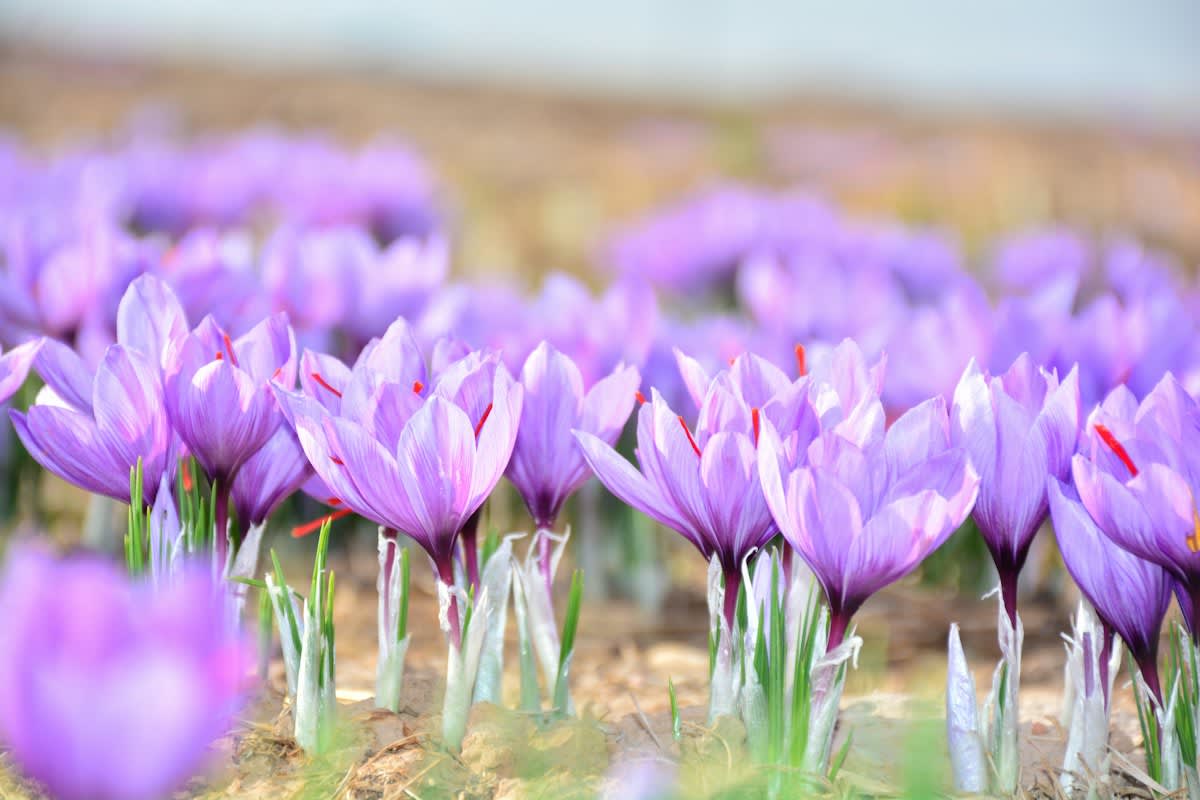
Purity dictates power. When a buyer controls the testing apparatus, they dictate the price. In the Kashmiri market, the Mongra grade represents the peak of this power, where the removal of the yellow style increases the value exponentially (Source: Indian Saffron Council, 2021). This precision allows producers to saturate the luxury niche while dumping lower-grade threads into the mass market. The delta between Grade I and Grade III is not just chemical; it is financial.
| ISO Grade | Crocin Level | Market Position | Typical Value Premium |
|---|---|---|---|
| Grade I | > 250 | Luxury/Pharmaceutical | High (30-50%) |
| Grade II | 200-250 | Premium Culinary | Medium (10-20%) |
| Grade III | < 200 | Mass Market/Industrial | Baseline |
Fact-Check & Accuracy Note
The debate over quality focuses on whether safranal (aroma) or crocin (color) should be the primary metric for 'power'. Most pharmaceutical applications prioritize crocin for its antioxidant properties, while the culinary world values safranal. This divergence allows some producers to 'cheat' by enhancing safranal through heat treatment while the crocin levels drop.
Common Pitfalls in Saffron Procurement
- Trusting the Organic Stamp: Many exporters apply generic organic labels to saffron treated with synthetic dyes to saturate the color.
- Ignoring Moisture Content: Excess moisture increases the weight and the price, but it also accelerates the degradation of picrocrocin.
- Accepting 'Pure' Claims Without Batch Numbers: Purity varies by harvest; a single certificate for an entire year of production is a red flag.
- Over-reliance on Color: Deep red color is often a result of artificial coloring rather than high crocin levels.
Practitioner's Warning
Editorial Note: This guide assumes the reader has access to basic laboratory equipment. For small-scale buyers, the water bleed test and visual inspection are the only viable tools, though they carry a higher risk of failure compared to ISO-certified lab tests.