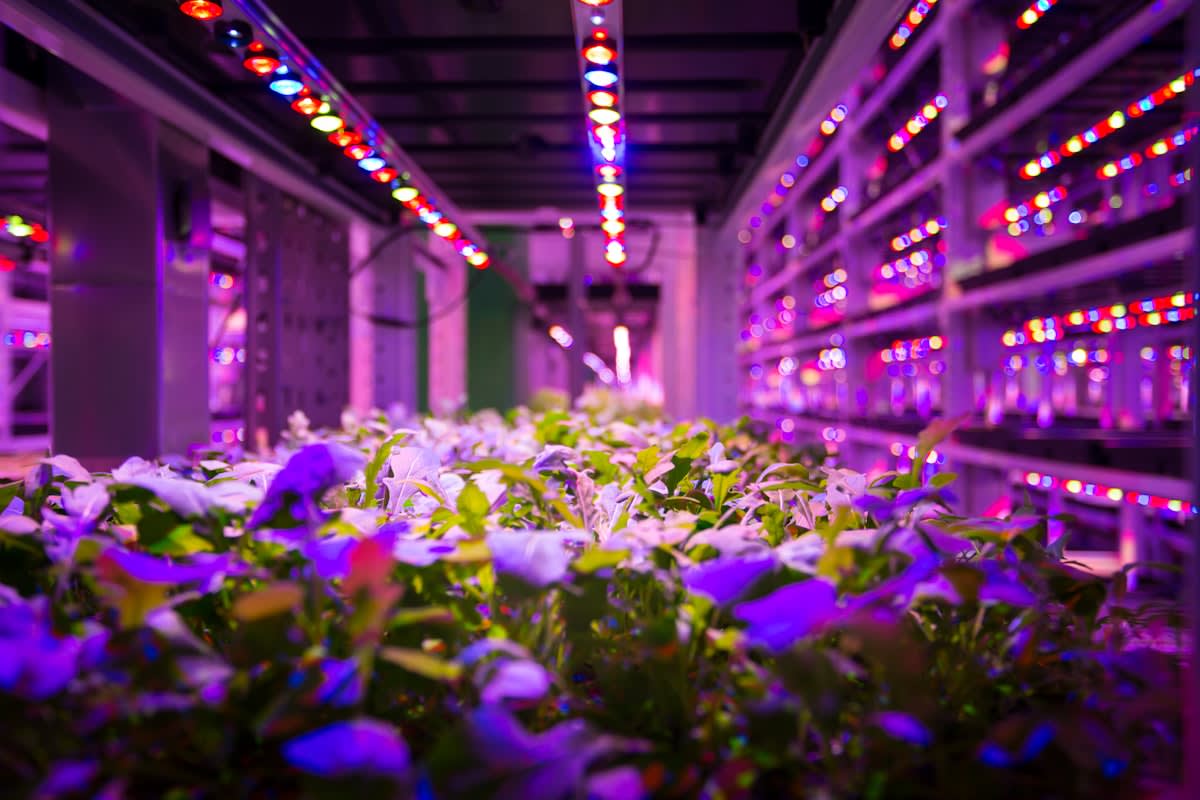
The August Pivot: Beyond the Field
Agriculture is no longer just about the harvest; it is about the infrastructure of resilience. This August, we are witnessing a decisive shift where the control of seed genetics and processing capacity has become the primary currency of geopolitical influence. The conversation has moved away from simple crop yields toward a complex integration of renewable fuel policies and climate-smart incentives. Who controls the processing facility now dictates the flow of the commodity, effectively bypassing traditional trade barriers through vertical integration.
We see this play out in the aggressive maneuvers of global agribusinesses and the strategic pivot of sovereign wealth funds. It is a transition from a reactive model of food security to a proactive model of food sovereignty. This is not a crisis of scarcity, but a competition for efficiency. The winners are those who can synchronize biological innovation with financial instruments, turning sustainable farming into a high-yield asset class.
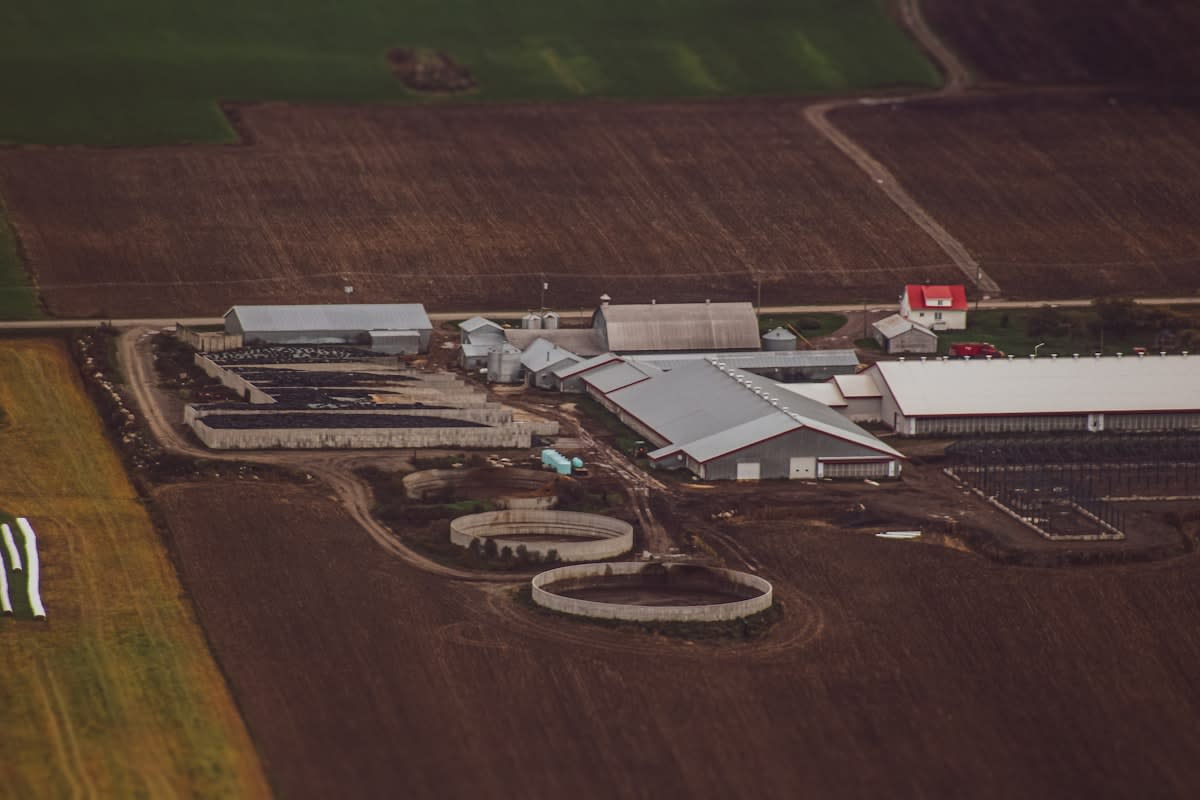
Corporate Fortresses: The Bunge-Viterra Synergy
The Q2 earnings call from Bunge Global on August 5, 2026, revealed a corporate strategy that extends far beyond simple grain trading. The integration of Viterra is not merely a cost-cutting exercise; it is a strategic expansion of the company's origination and processing footprint. By scaling operations in Argentina, Bunge is securing a critical node in the global supply chain, ensuring that it can maintain margins even as geopolitical conflicts destabilize traditional demand patterns.
The real story, however, lies in the physical infrastructure. Bunge's successful commissioning and ramp-up of new processing facilities in Louisiana, Indiana, and Avondale signify a targeted bet on the U.S. interior. These plants are not just for milling; they are designed to capitalize on the evolution of U.S. renewable fuel policy. By aligning their physical assets with climate-smart agriculture incentives, Bunge is effectively hedging against market volatility.
| Strategic Driver | Operational Action | Geopolitical Objective |
|---|---|---|
| Climate-Smart Incentives | New plants in LA, Indiana, Avondale | Capture US renewable fuel subsidies |
| Viterra Integration | Expanded Argentina footprint | Diversify origination to offset regional conflicts |
| Margin Maintenance | Synergy realization across cost lines | Resilience against shifting trade flows |
Why does this matter for the global audience? Because when a single entity controls both the origination of the seed and the processing of the fuel, they control the price of the transition. The synergy realization between Bunge and Viterra creates a commercial line that can absorb shocks that would bankrupt smaller players. This is the industrialization of resilience, where scale becomes the only viable defense against an unpredictable climate.
The Incentive Engine
The shift toward 'climate-smart' agriculture is often framed as environmentalism, but in the corporate world, it is a sophisticated financial strategy to capture government incentives and secure long-term margins.
The Sovereign Shift: Financing the Green Desert
While corporations build plants, nation-states are building financial bridges. On August 7, 2026, reports emerged that the UN’s Agricultural Development Fund is aggressively courting Saudi investors for sustainable bonds. This represents a fundamental shift in how agricultural development is funded. We are moving away from traditional aid and toward a model of sustainable investment where food security is treated as a sovereign bond.
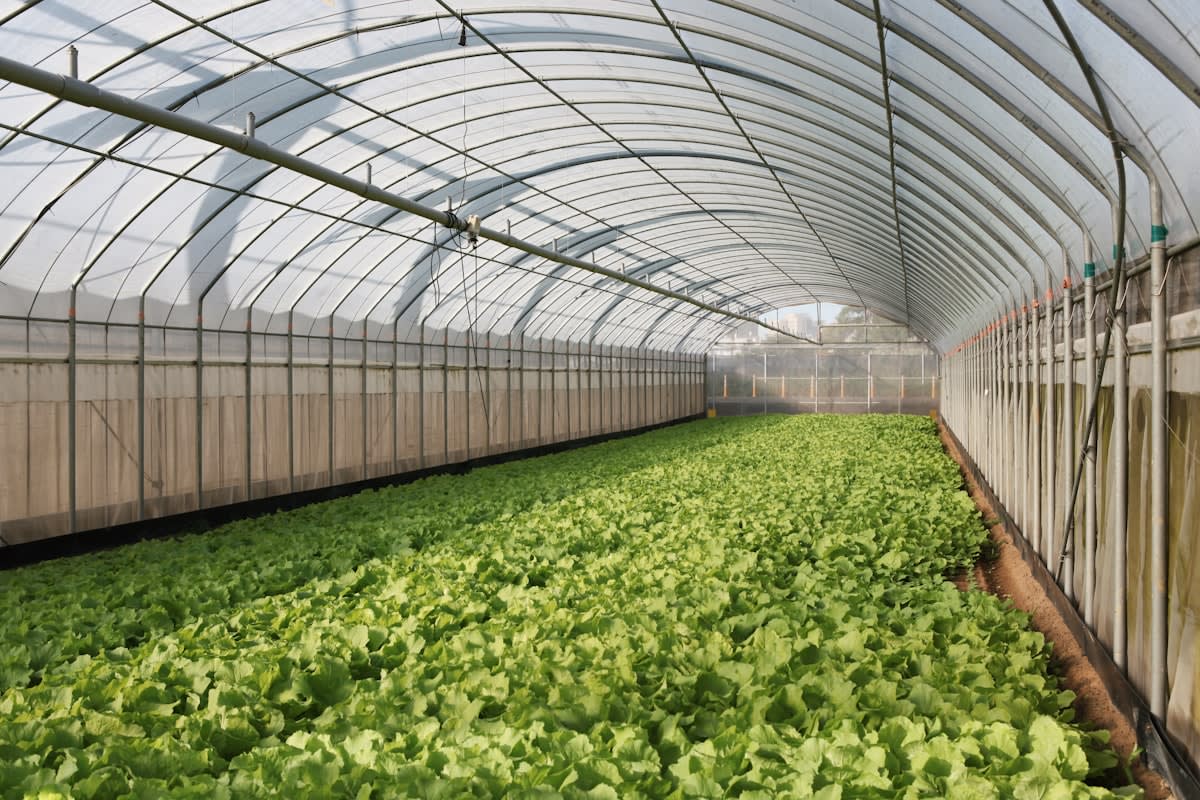
Saudi Arabia is not just providing capital; it is implementing a blueprint for arid-land resilience. The Saudi national center is inspiring a new generation of researchers to innovate in sustainable agriculture, while greenhouses in Najran are already boosting local production. These are not isolated projects; they are proof-of-concept tests for a future where food production is decoupled from traditional fertile land.
"The integration of sustainable bonds into agricultural development signals that food security is no longer a social goal, but a strategic financial asset."— Industry Analysis, August 2026
This financialization of the 'green desert' creates a new power dynamic. When sustainable bonds fund the infrastructure of the Middle East, the region evolves from a net importer of calories to a hub of agricultural technology. This reduces the leverage of traditional breadbaskets and redistributes geopolitical power toward those who own the technology of water-efficient farming.
Micro-Signals: The Sesame Seed Indicator
To understand the volatility of this new era, one must look at the micro-signals in specialty crop trade. Data from Tridge as of August 4, 2026, highlights a telling trend in the sesame seed market. China, a dominant buyer, saw a -9.2% decrease in imports. In a globalized market, a dip of nearly 10% in a major buyer's demand is not a statistical fluke; it is a signal of shifting demand patterns or a pivot toward domestic alternatives.
The pricing of sesame seeds further illustrates the instability. With benchmarks fluctuating between 2.04 USD/kg and 2.27 USD/kg, the market is reacting to the same geopolitical tensions that Bunge is attempting to hedge against. These fluctuations represent the 'invisible war' for seed control—where small changes in import volumes can trigger massive price swings across the supply chain.
Sesame Seed Price Volatility (August 2026)
Executive Insight
+18.4%
YTD Growth
When we connect the dots—Bunge's processing hubs, Saudi sustainable bonds, and China's shifting sesame imports—a clear picture emerges. The world is moving toward a fragmented, high-tech agricultural landscape. We are seeing the rise of 'agricultural blocs' where trade is defined by technological compatibility and financial alignment rather than simple geography.
The transition is nearly complete. The era of the open, global grain market is being replaced by a series of fortified supply chains. Those who invest in the processing infrastructure and the sustainable financing today will be the ones who set the price of food tomorrow. The war for seeds is not fought with weapons, but with bonds, processing plants, and genomic innovation.